Analysis: Van der Poel, Del Toro, Jorgenson, and Pidcock star in the 22.2 kilometers that decided the World Championships
CyclingTuesday, 29 September 2026 at 15:52
Follow IDL Pro Cycling on Google
Stay up to date with the best cycling news by making us a preferred source on Google.
Follow us on GoogleThe 2026 World Cycling Championships will go down in history as one of the greatest editions ever. But many cycling fans will still feel a bit strange about Brandon McNulty being crowned world champion. The American had incredible legs, but ultimately also benefited from an unprecedented game of poker that unfolded before our eyes over 22.2 kilometers. We’ve summarised the key moments of the decisive phase of the World Championships.
ADVERTISEMENT
32.5 km: Brandon McNulty's attack
The trouble for most of the favourites began when McNulty decided to make his move with 32.5 kilometers to go. He was near the back of the pack, and Isaac del Toro was riding at a steady pace. This was crucial, because when the Mexican saw his UAE Emirates-XRG teammate McNulty pull away on the left, we saw a natural breakaway come to an end. Del Toro seemed to choose his UAE teammate over himself in that moment.
On a long, wide road, McNulty rode quickly away, mainly because Del Toro was allowed to stay out in front of the others for quite a while. And the UAE rider was now going even a bit slower than before. When Michael Matthews then tried to break away in the same way—because he saw the danger—he immediately had McNulty’s compatriot Matteo Jorgenson on his wheel. Matthews dropped back right away.
Read also

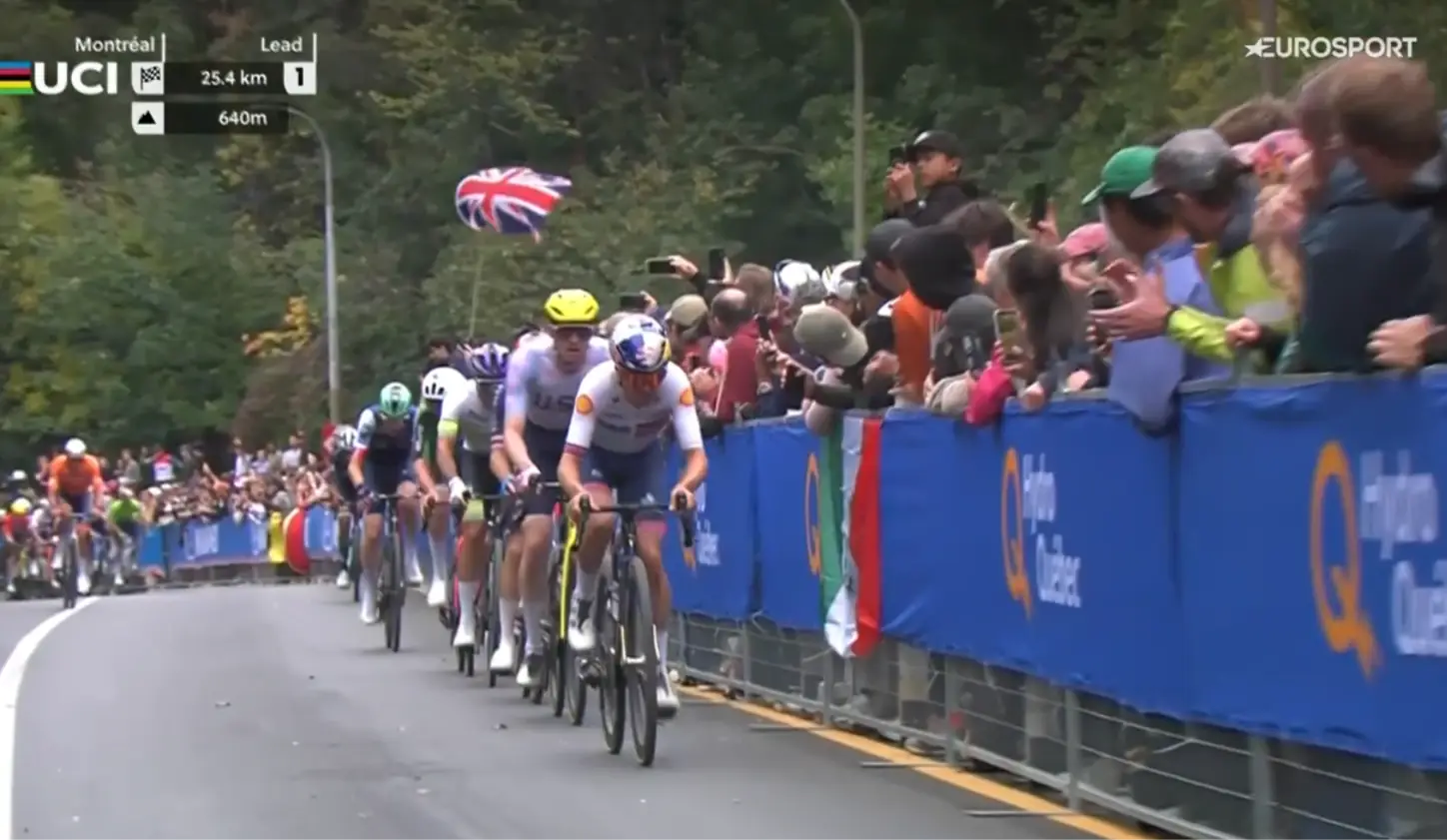
31.9 km: Seixas can't—or won't—do it
When we started climbing again 500 meters after McNulty’s attack, Del Toro forced his constant shadow of the day to the front. Paul Seixas had been reacting to everything the Mexican did, but now he had to step up himself for the world title. The problem: he either couldn’t or wouldn’t. Because the pace wasn’t fast enough.
This was evident from the fact that Primoz Roglic, who had been dropped and left behind, seemed to be catching up as if on an electric bike, before Remco Evenepoel and others did the same.
Matthews was once again the one who really wanted to pick up the pace, but he received no support. Del Toro cleverly stayed at the front and pushed the pace every time he took the lead. Seixas never really went all out.

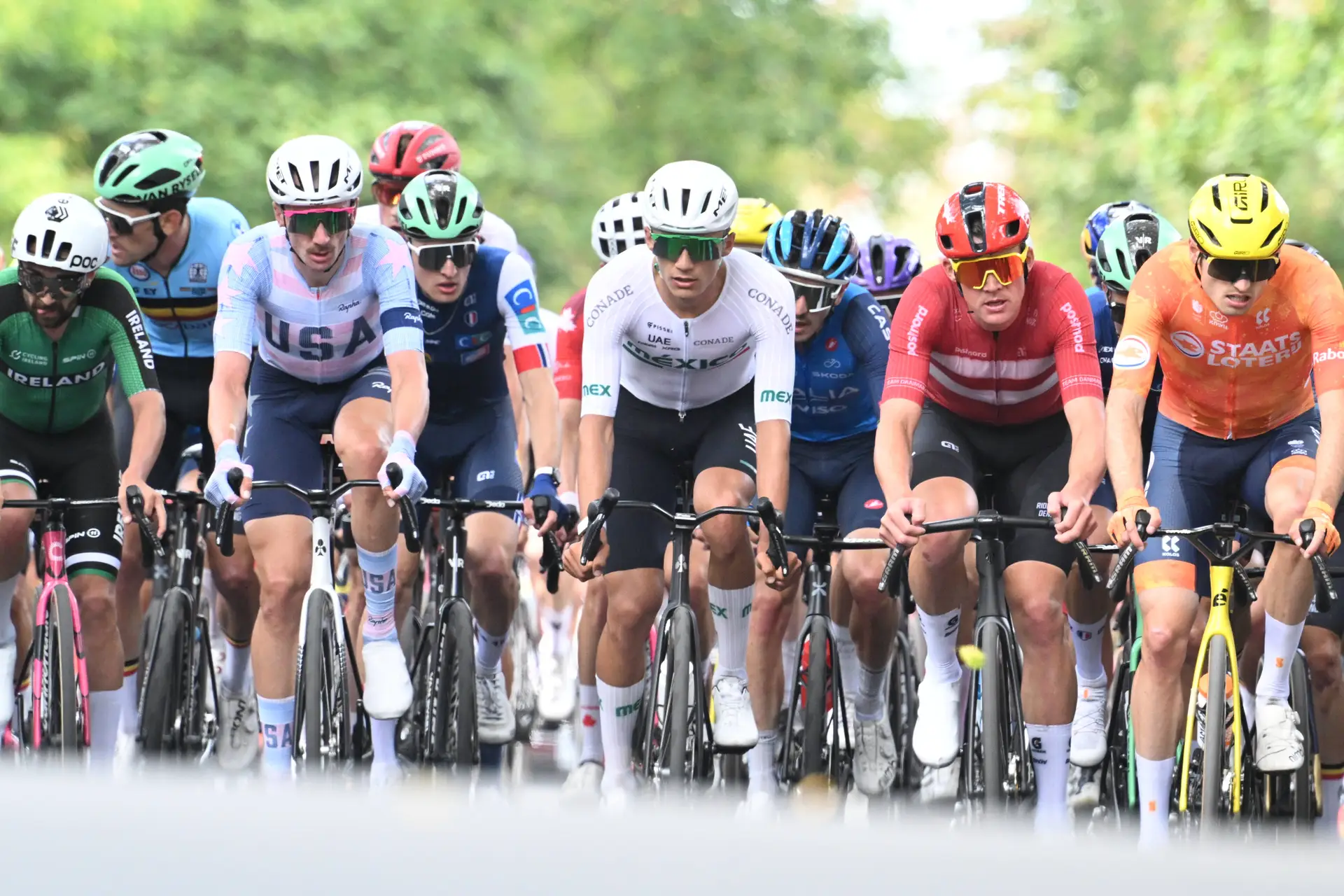
27.4 km: Del Toro puts on a show
After the short climb, McNulty had a half-minute lead, and that gap only grew in the kilometers that followed. Del Toro was once again the key player in this race, as he kept coming to the front and seemed to be maintaining a steady pace. The timer at the top, however, told a different story: after each lap Del Toro took the lead, McNulty gained a few seconds.
Del Toro and Seixas even had a brief private conversation, during which the Frenchman undoubtedly asked about his opponent’s intentions. The fact that he then let Del Toro take the lead shows that Del Toro must have put on a good act. Did he promise to race after all? At the finish line, with two laps to go, Del Toro had given up a 1.07-minute lead.

25.8 km: Pidcock, who was caught, responds
Since there were no race radios, the riders had to figure it out on their own. So Pidcock must have been absolutely shocked when, as he crossed the finish line, he suddenly saw a time of over a minute on the clock. The Brit reacted as if stung by a wasp and immediately seized the next long climb to push hard.
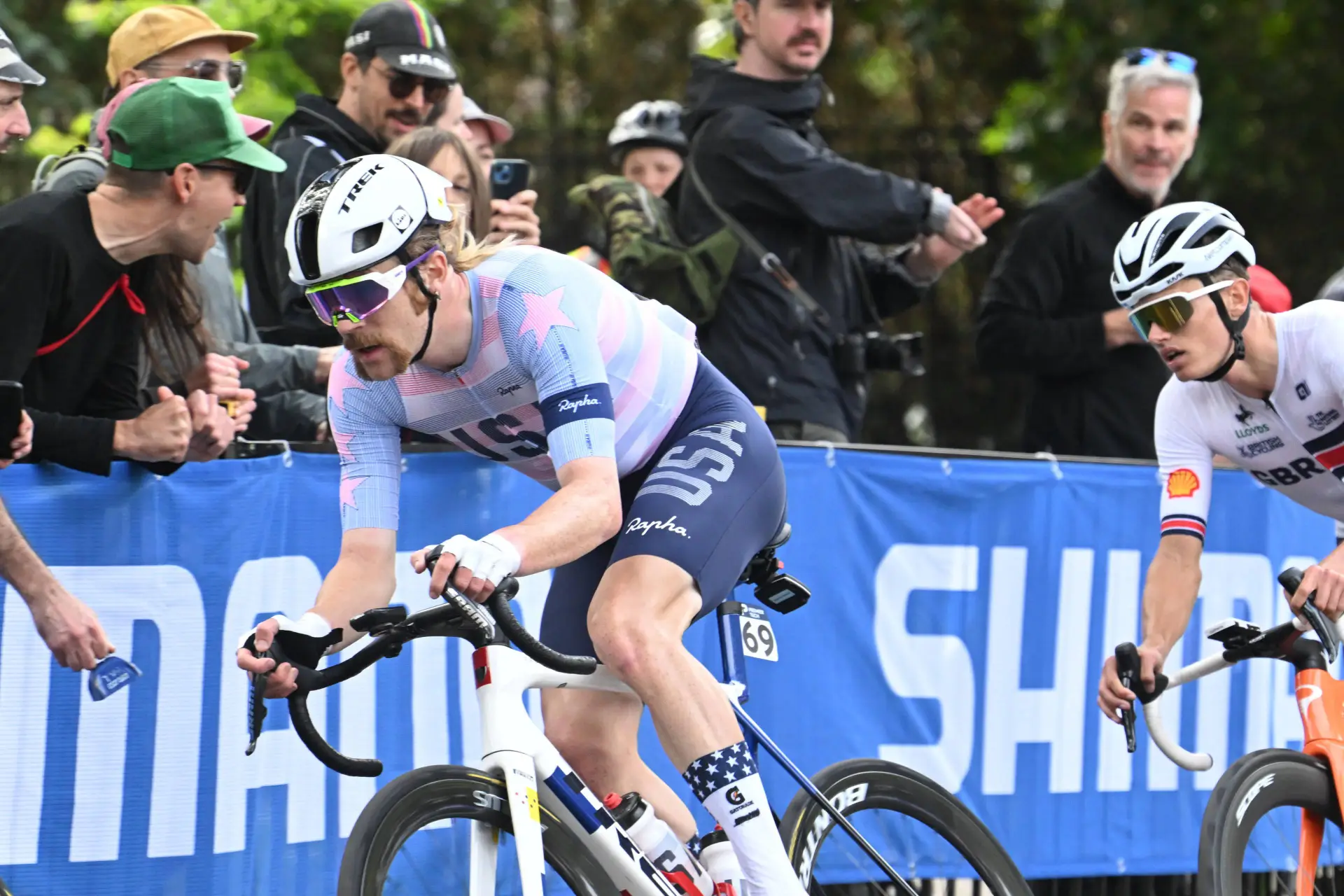
Pidcock and the Italian Giulio Ciccone had previously been caught up in Del Toro’s poker game—marking Jorgenson and surrounded by riders who were almost all at their limit. Mathieu van der Poel and Quinn Simmons, among others, had already put in a 50-kilometer breakaway. Matthews, despite his talents, was unable to force anything on his own.

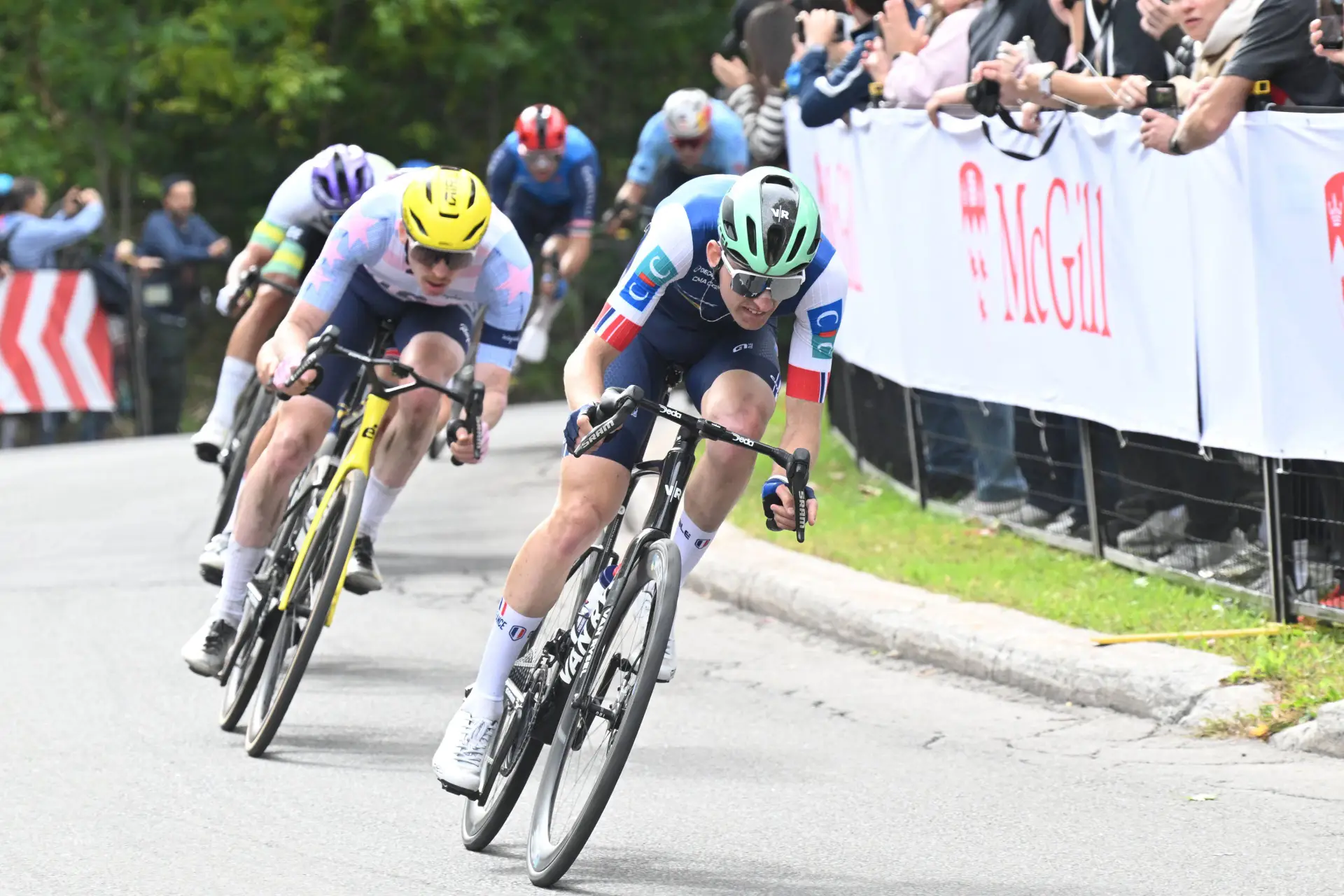
25.2 km: Van der Poel helps Del Toro get back to the front
When Del Toro suddenly dropped off the pace on the climb, Pidcock and his allies suddenly smelled blood. All of a sudden, riders like Ben Healy and Ciccone were eager to push the pace, because with Del Toro gone, they could eliminate one of the two annoying factors from the group.
Seixas was also pushing hard now, which meant that Pidcock, Ciccone, Seixas, Matthews, and the ball-and-chain Jorgenson did something they didn’t even know they were capable of.
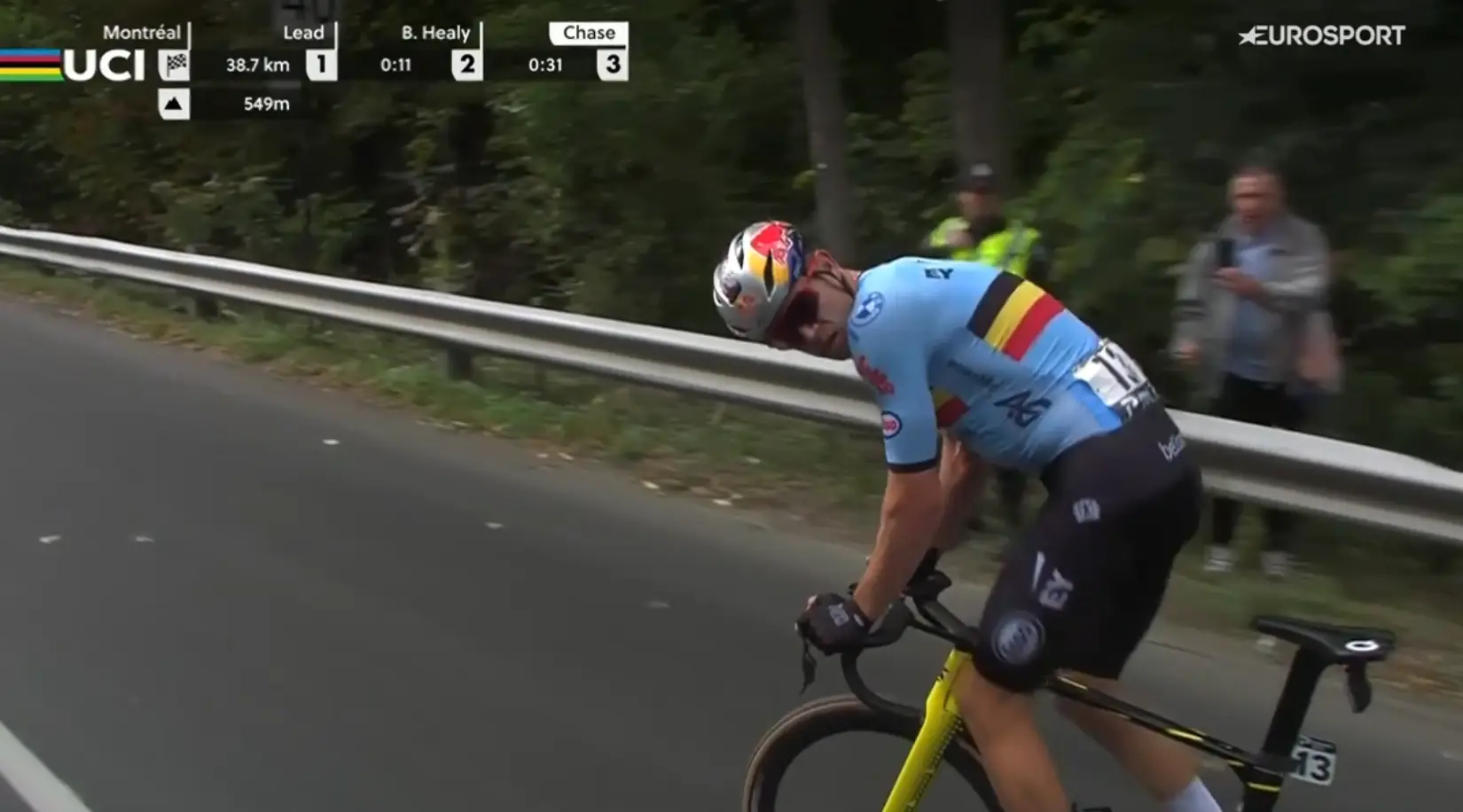
What if these five had been able to keep going without Del Toro? There was a very real chance that they would have caught up with McNulty. Del Toro did, however, make a comeback, thanks in part to Mathieu van der Poel, who gave it his all—especially on the downhill and on a flat section—to catch up. He brought the Mexican and Healy with him, bringing back a crucial hindrance.
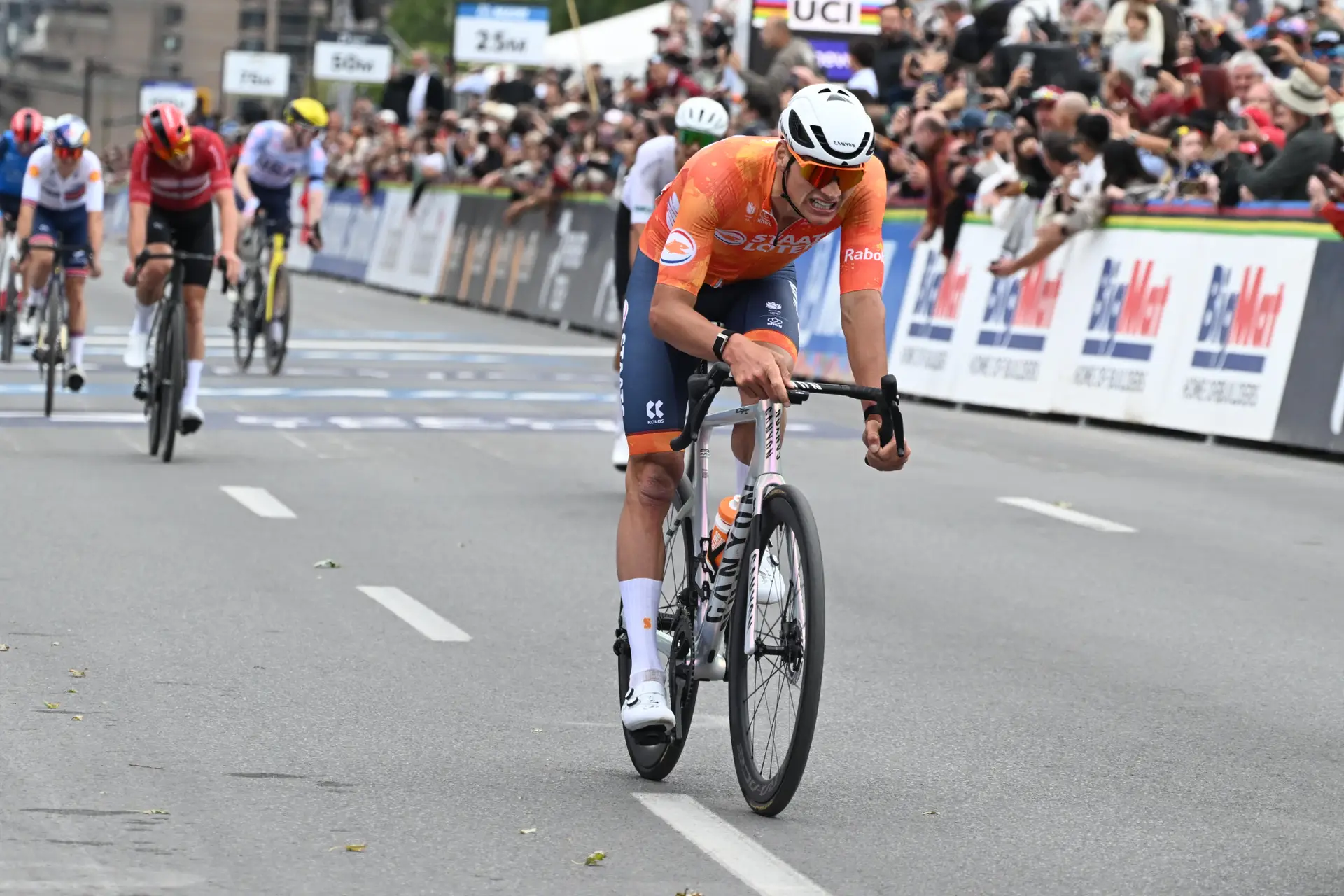

18.1 km: Half a minute off, half a minute on
The second crucial moment of the World Championships wasn’t McNulty’s attack or Del Toro’s gift of a minute, but the fact that, after all the efforts—especially by Pidcock—the race came to a standstill once again.
The Brit had pushed hard through two climbs and had to look back to see who was still willing to follow. Matthews and Van der Poel, however, were just happy to be there, as was Healy.
Del Toro and Jorgenson once again did nothing to almost nothing, so it was up to Seixas and Ciccone. They had kept up for a moment, but now saw the danger of a counterattack from, say, Del Toro.
And so the exchanges became less intense, and in the end, it was back to watching. Pidcock shook his head once more and stepped back into his “prison.”

11.1 km: Pidcock and Ciccone close in on McNulty
Pidcock must have been pleased to see that this time the pack didn’t stay bunched up for too long, because in the final stretch of the penultimate lap, Van der Poel, the returning Evenepoel, and Healy took turns trying to break away. Once the finish line had been crossed and the long climb loomed ahead for the penultimate time, Ciccone made his move.
The Italian and Pidcock went all-in, and as McNulty began to falter at the front, the two suddenly saw him pull away. Del Toro and Jorgenson, however, made the most crucial effort of the entire World Championship here.
They rode back to Pidcock and Ciccone, who were completely spent and still needed two more turns at the front from someone else to close the final gap. Jorgenson and Del Toro, however, held back.

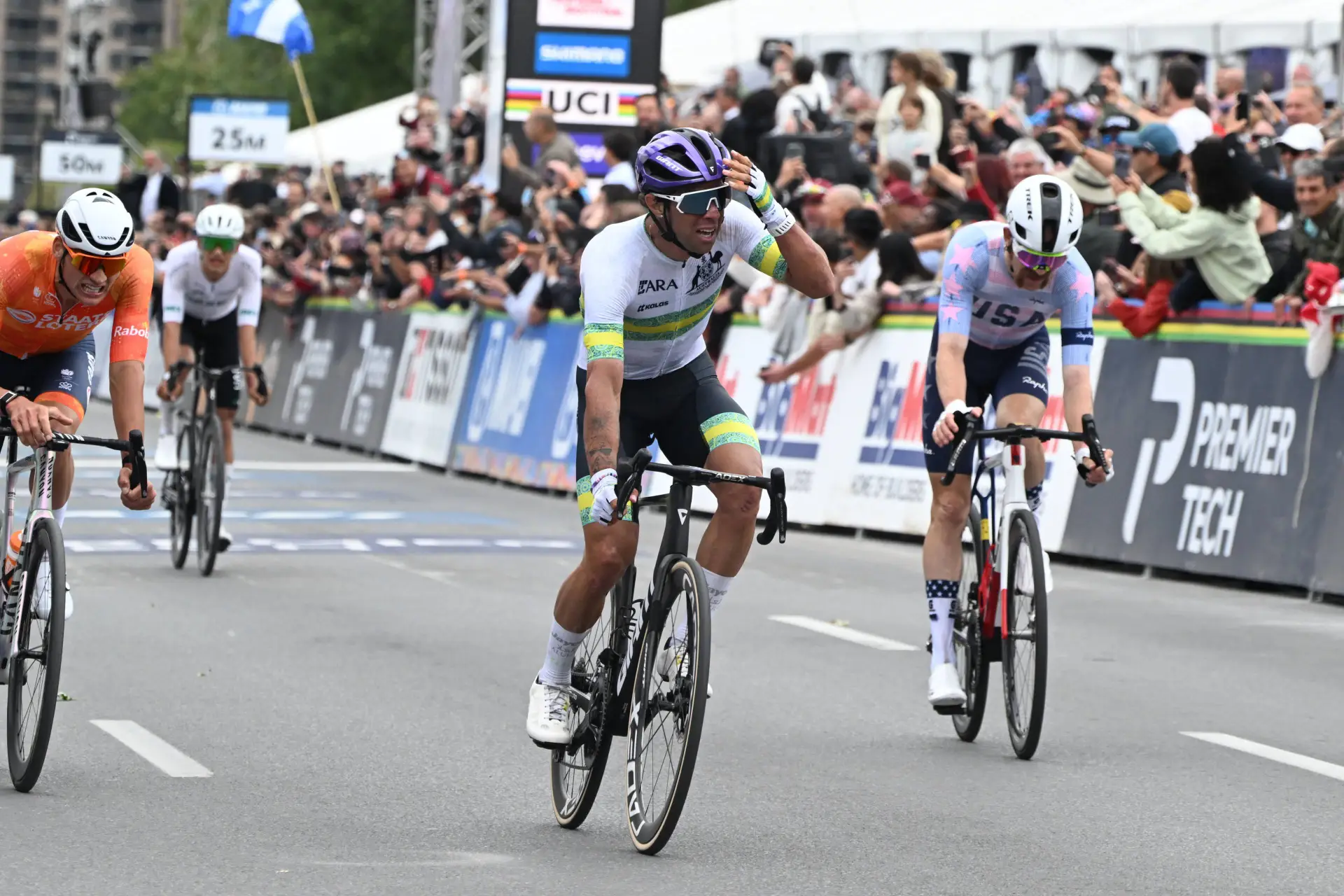
10 km: McNulty makes the decisive difference
It turned out to be the final blow. Pidcock veered to the left side of the road, saw a few riders falling behind in the group, a equally frustrated Ciccone, and two McNulty teammates, who were all fine with it.
If they’d had any juice left in their legs, Pidcock and Ciccone would have closed the final gap together, but they were just out of steam, so the closest time gap turned out to be 8 seconds.
McNulty looked back, accelerated, looked back again, accelerated once more, and in no time had gained a good half minute. Although he had to struggle up the final climbs and Pidcock launched yet another attack in a bid to perhaps still pull ahead, it turned out to be enough for the American to pull off a stunning victory.
Pidcock is likely to have nightmares in the coming weeks about what might have been at the World Championshipin Montreal.
Read also
Bram van der PloegEditor-in-chief
Bram van der Ploeg (35) is the proud founder of In de Leiderstrui, IDL Pro Cycling's parent site, launched in 2018. Finally, he could create stories about the sport he had followed since childhood. He is the editor-in-chief on paper, but prefers to be with his recorder next to a rider, a team bus, or in the mud at a cyclocross race. Every year, from February to the end of May, Bram follows the entire Italian cycling season, from the Trofeo Laigueglia to the Giro d'Italia, with the grand finale in October in Lombardy. During that time, he lives in Tuscany, where he has since come to call Italy his 'home'.
IDL-productions
Van der Poel loves it, but a lack of race radios gave McNulty and USA the chaos it needed to slip away
Pogačar hails the 'King of Montréal', but McNulty already has a plan for 2027: 'Maybe Tadej will have to ride for me'
Quinn Simmons' Strava shows exactly what it takes to compete at the World Championships: ‘I said, Hey guys, anything is possible'
An American rider can win the Elite Men’s World Championship road race, but the smart money isn’t on Quinn Simmons!
McNulty fell 12 seconds short of a World TT medal but sees a road race opportunity: 'We have our work cut out'
Latest Cycling News
The huge numbers behind Bruno Armirail's 1-hour 32-minute World Championship demolition job
Jordi Meeus is leaving Red Bull to become a lead-out rider for Jonathan Milan
Lance Armstrong slams UAE team manager's behaviour following Brandon McNulty's Worlds win: 'Give me a break, honestly!'
Isaac del Toro hits back at Pidcock's criticism: 'All the other teams remained passive'
Tadej Pogačar's European Championship rivals are preparing to race him in Slovenia: 'I won’t believe that'
Popular Cycling News
Brandon McNulty could be the winning difference for Pogačar at the 2026 Tour de France: 'I'm back in shape'
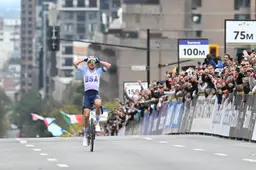
Brandon McNulty wins the men's World Championship road race as USA rides the perfect race
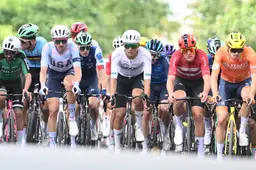
Pidcock accuses Del Toro of helping UAE teammate McNulty to the rainbow jersey: 'Obviously working for McNulty in the end'
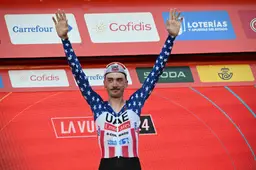
2026 World Cycling Championships Route & Schedule | McNulty closes the show with a dominant USA performance
World Champion Vollering brought back down to earth by hefty penalty from the UCI
Latest Comments
- - Grande análisis pero una duda: por qué dicen que “nadie del Vuelta en top 13” si Ayuso fue 13º? ¿Cuenta o no? Also, was Carapaz really ill or just saving bullets for Euros?patriciaw29-09-2026
- - The podcast nailed it: Vuelta fries you, especially crossing continents. Still, Wout cracking when it mattered was a surprise. He’d looked invincible—maybe over-raced? Organisers shifting Worlds back to August makes sense to me.tourdeforce929-09-2026
- - Valverde’s comments were telling. If Mas truly hadn’t recovered, why name him co-leader? Spain’s tactic looked muddled once Enric climbed off 105 km out. Poor support for Ayuso once it split, no?cadencekingm29-09-2026
- - Wait, I’m confused—if Van der Poel flew in last minute, how did he still get in that move with Roglic? Isn’t jet lag supposed to ruin your legs? Does he just handle travel better than others?raceready729-09-2026
- - Fascinating how the Montreal course + jet lag flipped the script. You could see the North America-acclimated guys had snap, while the Vuelta legs looked cooked. Ayuso hanging on for 13th felt like a minor win given how “empty” he said he was.pedalpowe2929-09-2026
- - Great write-up but a tad harsh on Del Toro. He’d been drilling it for 50k, of course he faded. Also, Belgium moaning after Wellens sat out for “loyalties” is a bit rich, no? Sport’s messy. C’est la vie, así es el ciclismo.pedalpowe2929-09-2026
- - I’m with Matthews and a bit with Pidders here—Del Toro shutting down the Ciccone/Pidcock bridge when the gap was ~10s looked sus. Even if he was cooked, why close your own chance? Smells off.jennifer1929-09-2026
- - Can someone explain why riders from the same trade team would help each other at Worlds when they’re on different national teams? Is that actually allowed or just kind of… unspoken?tourdeforce929-09-2026
- - That move from McNulty was textbook GP Montréal stuff: late, from a few wheels back, into the motorbike draft zone, and everyone looking at each other. Perfect timing, no need for conspiracies.cadencekingm29-09-2026
- Brilliant from McNulty, deserved the arcoíris. Matthews gracious in public but clearly frustrated—understandable. Worlds always blurs lines with trade teammates; c’est la vie of modern cycling.sprocketspiny29-09-2026
Loading
