How Brandon McNulty built up his legs for World Championship title after pulling out of the Tour de France
Cycling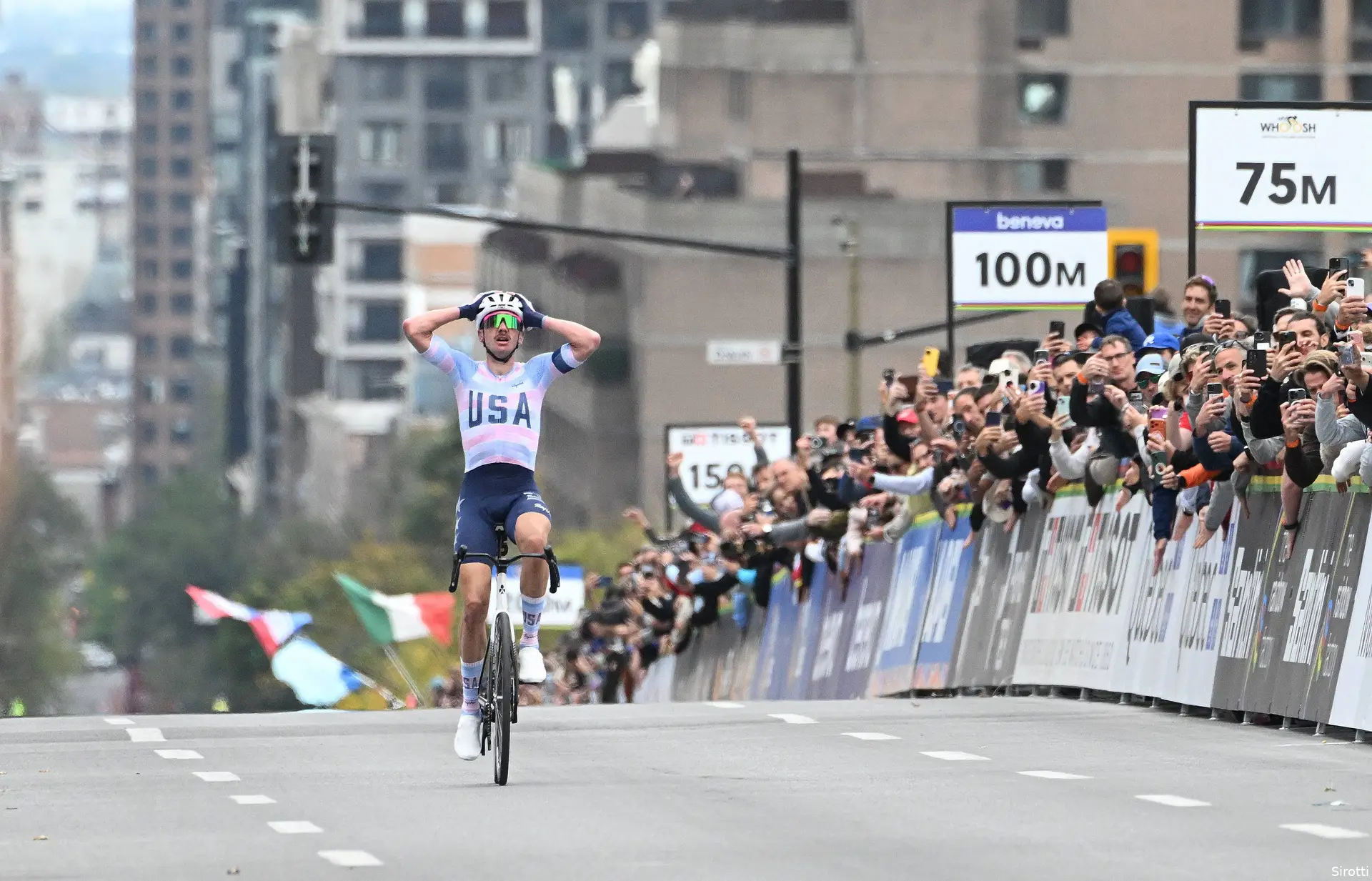
Follow IDL Pro Cycling on Google
Stay up to date with the best cycling news by making us a preferred source on Google.
Follow us on GoogleBrandon McNulty is world champion—we’ll just keep repeating it until it starts to sound a little more normal. The American rider from UAE Emirates-XRG surprised friends and foes alike by claiming the rainbow jersey in Montreal (Canada). If we take a closer look at the statistics from Velo, it seems McNulty’s victory isn’t actually that surprising after all.
ADVERTISEMENT
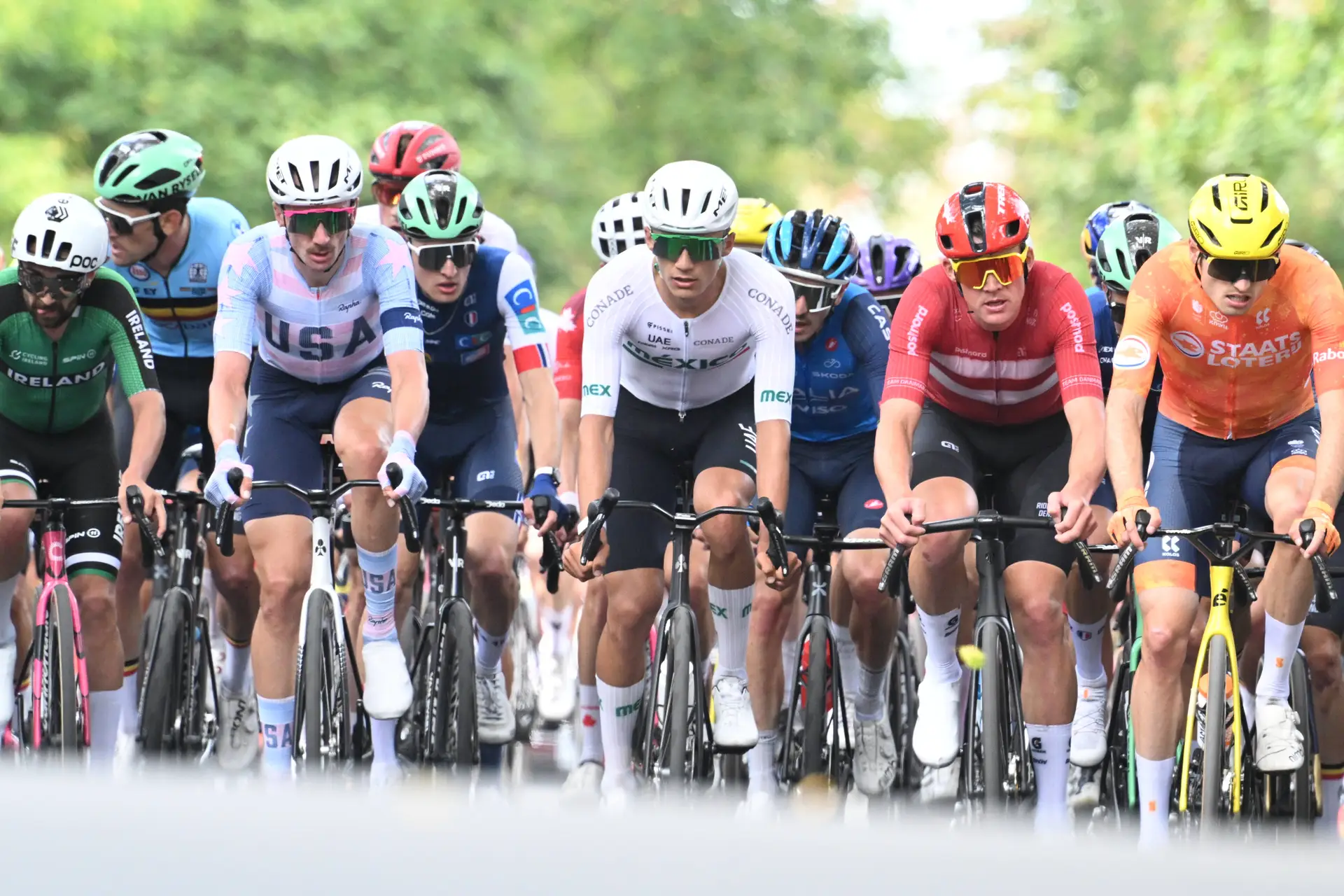
The American pulled off a solo break of over 30 kilometres at the World Championships. Despite faltering for a moment and looking like he was about to be caught, he stayed ahead.
McNulty secured the most remarkable World Championship title since Mads Pedersen’s victory in Harrogate in 2019.
Read also

McNulty was well prepared for his winning attack
McNulty performed very well at the World Championships, all thanks to weeks of preparation where he pushed himself to the limit. Velo found the climber had 66 days between his withdrawal from the Tour de France on July 23 (due to illness) and the World Championships on September 27.
After ten days off the bike with a visit to Paris to celebrate Tadej Pogačar’s overall victory, his focus turned to Montreal.
Read more below the photo

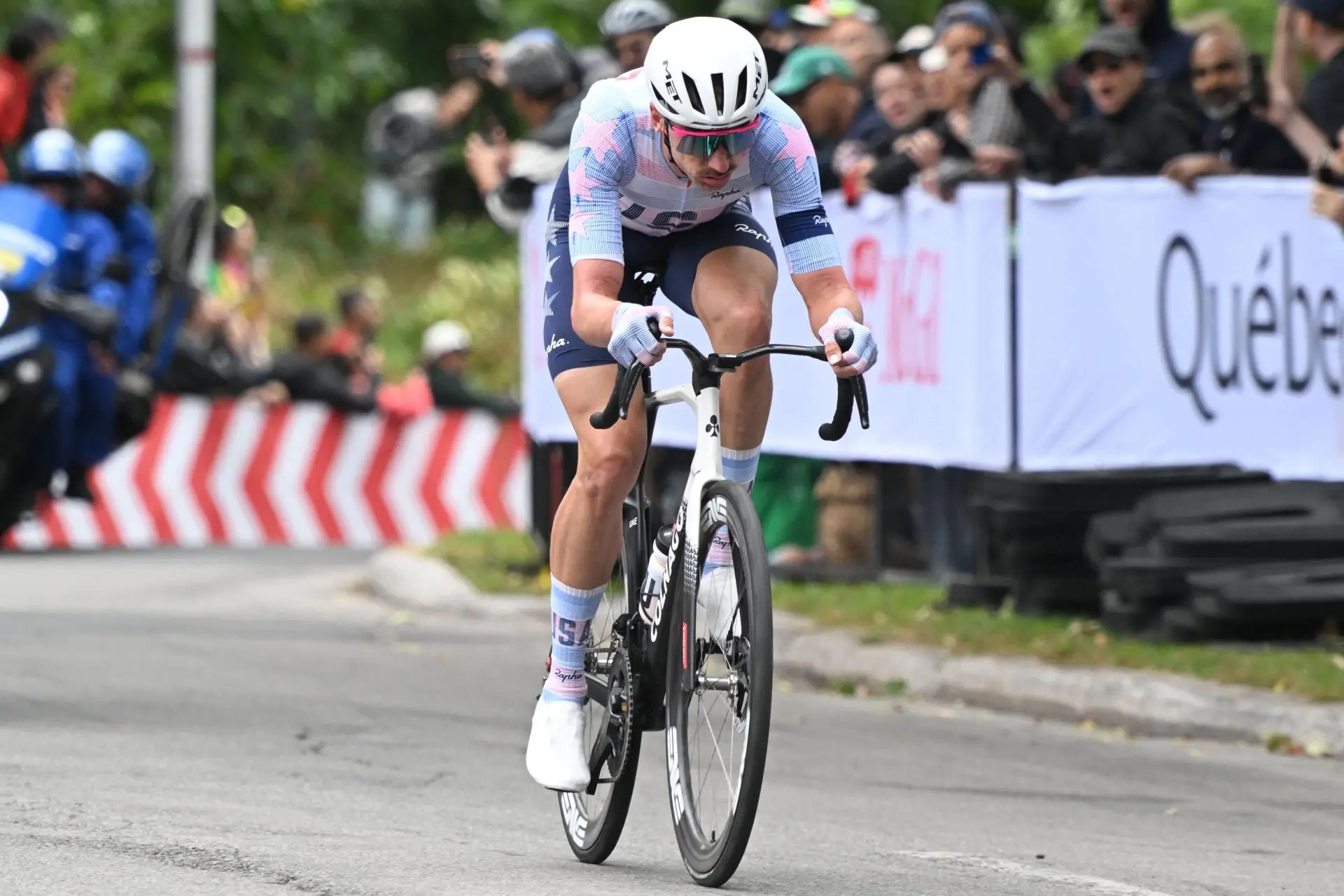
Brandon McNulty at the World Championships
What did his World Championship preparation look like?
Well, McNulty shared everything on Strava. It started with five days in Zones 1 and 2, at 2 to 3 hours a day. These easy efforts showed a gentle build-up before the intervals began.
According to Velo, McNulty relied on an interval method popular among UAE Emirates-XRG riders, featuring 4-minute blocks with a cadence of just 45 revolutions per minute. Pedalling at this extremely high intensity causes the heart rate to rise significantly.
These training sessions were followed by a day during which McNulty rode in Zone 3 for half an hour on multiple occasions.
In the weeks leading up to the World Championships, McNulty expanded these workouts to include intense pedaling and longer periods in Zone 2 or 3. This training method allowed McNulty to ride in Zone 2 for extended periods at the World Championships, meaning he could continue far longer without going into the red.
Read more below the photo

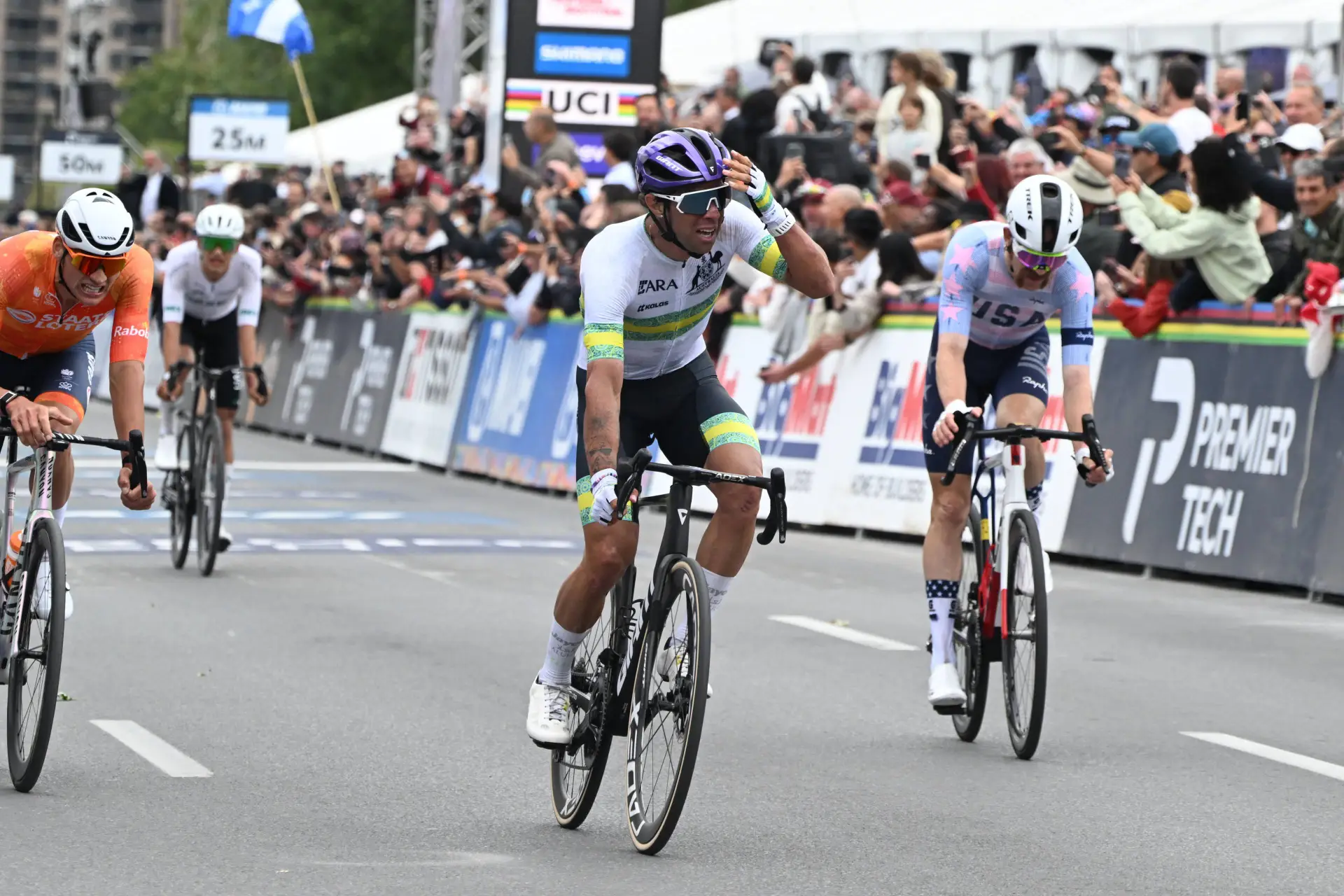
McNulty became the first American World Champion in over 30 years
McNulty was able to attack thanks to the intensity of his training
Velo's thorough and interesting analysis also points out the importance of threshold training for the new World Champion.
McNulty trained for repeated attacks, by including short bursts of high effort, followed by a few minutes just below the threshold. “These intervals are designed to help your body clear lactate more quickly, even at high power output.”
As the Championships drew nearer, the intensity increased. McNulty performed several all-out efforts lasting 4 minutes per rep and also incorporated 30-second sprints. “These workouts gave McNulty the ability to still attack after four hours in a gruelling race,” according to Velo.
In the final two weeks leading up to the World Championships, McNulty was constantly sprinting, doing intervals, and ramping up the intensity of his training sessions to be best prepared.
McNulty's Strava is public here for anyone wanting to take a closer look...
Read more below the photo

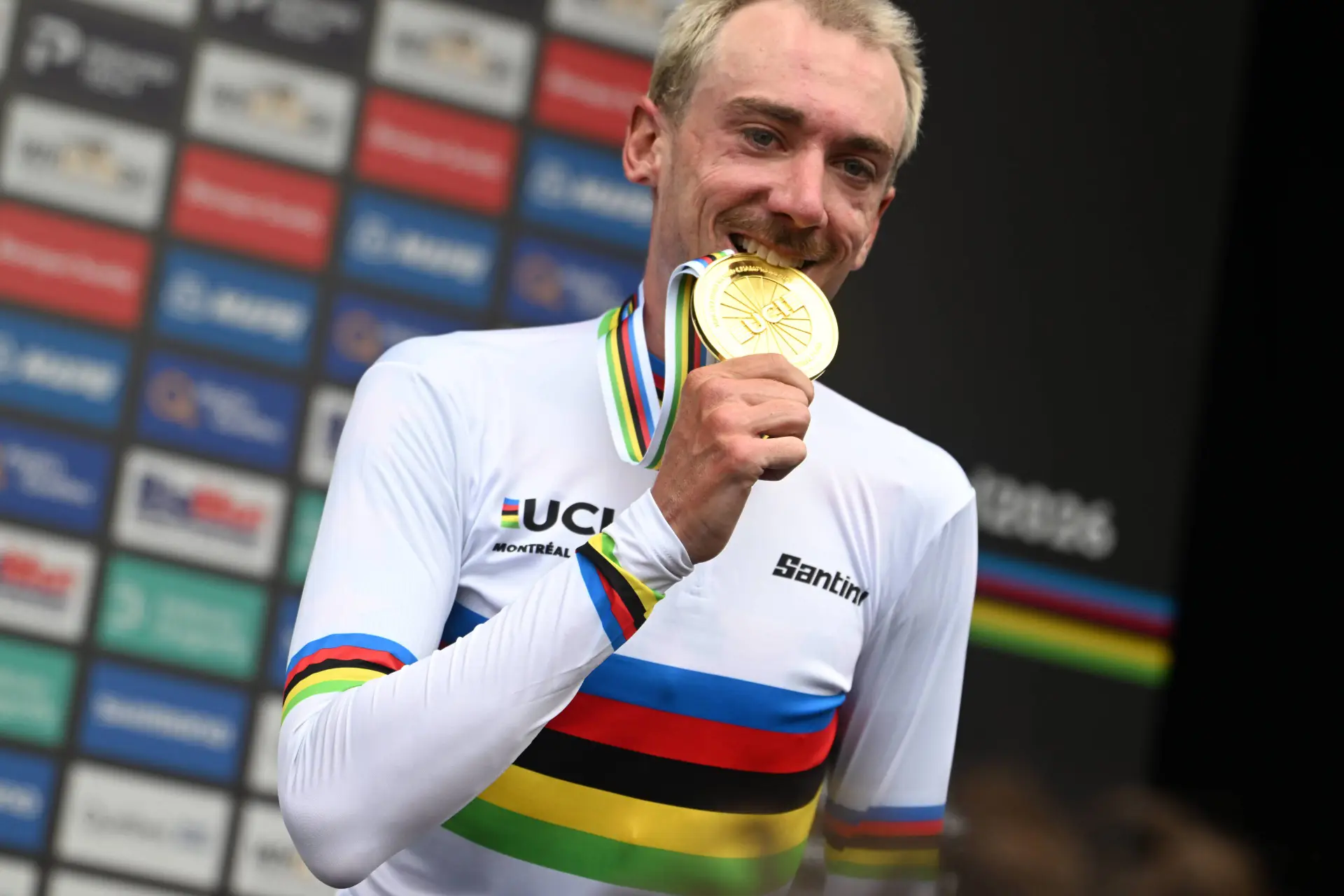
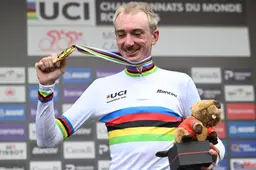
McNulty topped the podium ahead of Matthews and Van der Poel
McNulty didn't need altitude training for the World Championships
According to Velo, McNulty did multiple heat training sessions per day during the final week leading up to the World Championships time trial, often after a two- or three-hour endurance training session.
During each training session, he rode two blocks at maximum power, and rode for longer periods in zones 4 and even 5, training his body to continue performing under duress.
McNulty then travelled to Canada for the GP Québec and GP Montréal. He was already in top form, especially in Montréal.
He finished fourth in the time trail, and kept up his intense training for three more days. He then took a rest day on the Friday before the road race. The day before his winning attack, McNulty did some light interval training to prepare himself for the mammoth effort.
“The key takeaways are progressive overload, specific interval training, and time with family,” according to the analysis, referring to the fact that McNulty trained primarily in Arizona rather than on top of a mountain.
"That might just be the biggest surprise of his world title: McNulty didn't race at high altitude."
Read also
Clarice WebsterEditor
Clarice has been following cycling her whole life, wroting about Thibaut Pinot (among others) for her university magazine while earning her masters in Journalism. She is passionate about furthering equality in sports coverage, and has taken huge inspiration from pillars of women’s cycling like Beryl Burton, Marianne Vos, and Laura Kenny.
IDL-productions
16-day Grand Tours, AI, VAR, drones and more: The UCI's new document has a potentially major impact from 2029 onwards
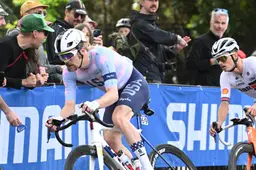
Quinn Simmons' Strava shows exactly what it takes to compete at the World Championships: ‘I said, Hey guys, anything is possible'
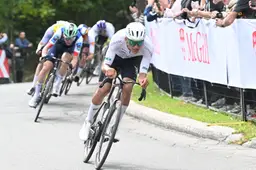
Despite losing the World Championships, Del Toro and Seixas rank high mentally and physically on the Pogačar scale
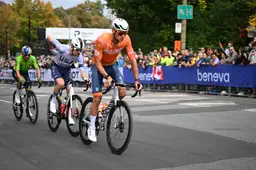
Van der Poel loves it, but a lack of race radios gave McNulty and USA the chaos it needed to slip away
Pogačar hails the 'King of Montréal', but McNulty already has a plan for 2027: 'Maybe Tadej will have to ride for me'
Latest Cycling News
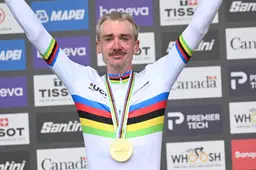
Rasmussen isn’t looking forward to a year of McNulty as World Champion: ‘With his jersey full of water bottles’
Sparkassen Münsterland Giro 2026 preview | There's something in store for the sprinters this weekend, too
Boonen and others think Van Aert rode 'recklessly' at World Championships: 'We thought he'd get the message after Roubaix'
Rising star Lorenzo Finn gained 'valuable experience' at the World Championships but finished 'completely exhausted'
Fabio Jakobsen will make WorldTour debut for Visma | Lease a Bike later this year
Popular Cycling News
Cycling transfers 2026/2027 | Izagirre calls it quits, Astana bags an emerging sprinter
Matthews joins the Pidcock Del Toro row after World Championships: 'If fewer teams had ridden together across national borders...'
Oscar Onley on his day in the break with Van der Poel, Van Aert & Simmons: "I still have to figure that out"
Rasmussen isn’t looking forward to a year of McNulty as World Champion: ‘With his jersey full of water bottles’
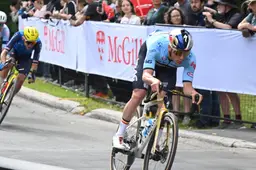
Following Demi Vollering, Remco Evenepoel also slapped with a hefty fine at the World Cycling Championships
Latest Comments
- - Quick question: when they say Remco kept “bridging back,” does that mean he was dropping on climbs and then chasing on descents/flat? How many times can a rider do that before they’re cooked?patriciaw02-10-2026
- - Loved the pod breakdown. Boonen spot on: Remco showed ridiculous resilience, but the collective tactics were off. You can’t mark every move and still save legs for the finale.sprocketspiny02-10-2026
- - Pidcock throwing shade about del Toro in Montréal felt a tad salty. Teams always ride tactics; it’s worlds, not a club race. If Tom wants revenge at Lombardia, he’ll need to mark Ayuso and Remco too, not just McNulty. Vamos Brandon, forza UAE!velodromevirtuoso101-10-2026
- - Wait, so Pogačar is “finished for 2026” but also only back at Tour Down Under 2027? Bit confusing—does that mean he’s out for the whole of 2026 season, or is it just no racing until Jan 2027? Can someone clarify the timeline?lindae01-10-2026
- - Brilliant piece. McNulty in the maglia iridata at San Luca is going to be class. If he measures the final laps and doesn’t overcook it early, he can outsprint most on that ramp.raceready701-10-2026
- - Is October 3 correct for Giro dell’Emilia this year? Thought it usually lands the first weekend but the date here looks off by a day. Either way, stacked UAE roster—curious how they juggle Yates/Wellens/Narváez with the new rainbow stripes.jeremya01-10-2026
- - Wild to think Pogačar wanted to race already when Mir said the collarbone was fine, but Gianetti’s playing the long game. If McNulty carries that Montréal snap into Emilia and Lombardia, watch out. His TT engine plus those short climbs = trouble for Remco and Pidcock.davidm01-10-2026
- - McNulty solo win gets one line? Come on, give Brandon some kudos—his timing on Camillien-Houde was spot on, and MvDP covered a lot to set that finale up. Grande artículo, pero faltan detalles de la táctica en Montréal.patriciaw01-10-2026
- - Not sure why the piece keeps circling back to “we’ll see” without new info. Feels a bit padded. Either he races CX or he doesn’t—tell us when he’ll decide.raceready701-10-2026
- - I’d miss the cross battles if he sits out. The last winter run from Namur onwards—13 straight wins and Hulst rainbow—was insane. But resting might be the only way to consistently match Pog next April.jeremya01-10-2026
Loading