Follow IDL Pro Cycling on Google
Stay up to date with the best cycling news by making us a preferred source on Google.
Follow us on GoogleBehind the screen, a real wheel sometimes spins.
ADVERTISEMENT
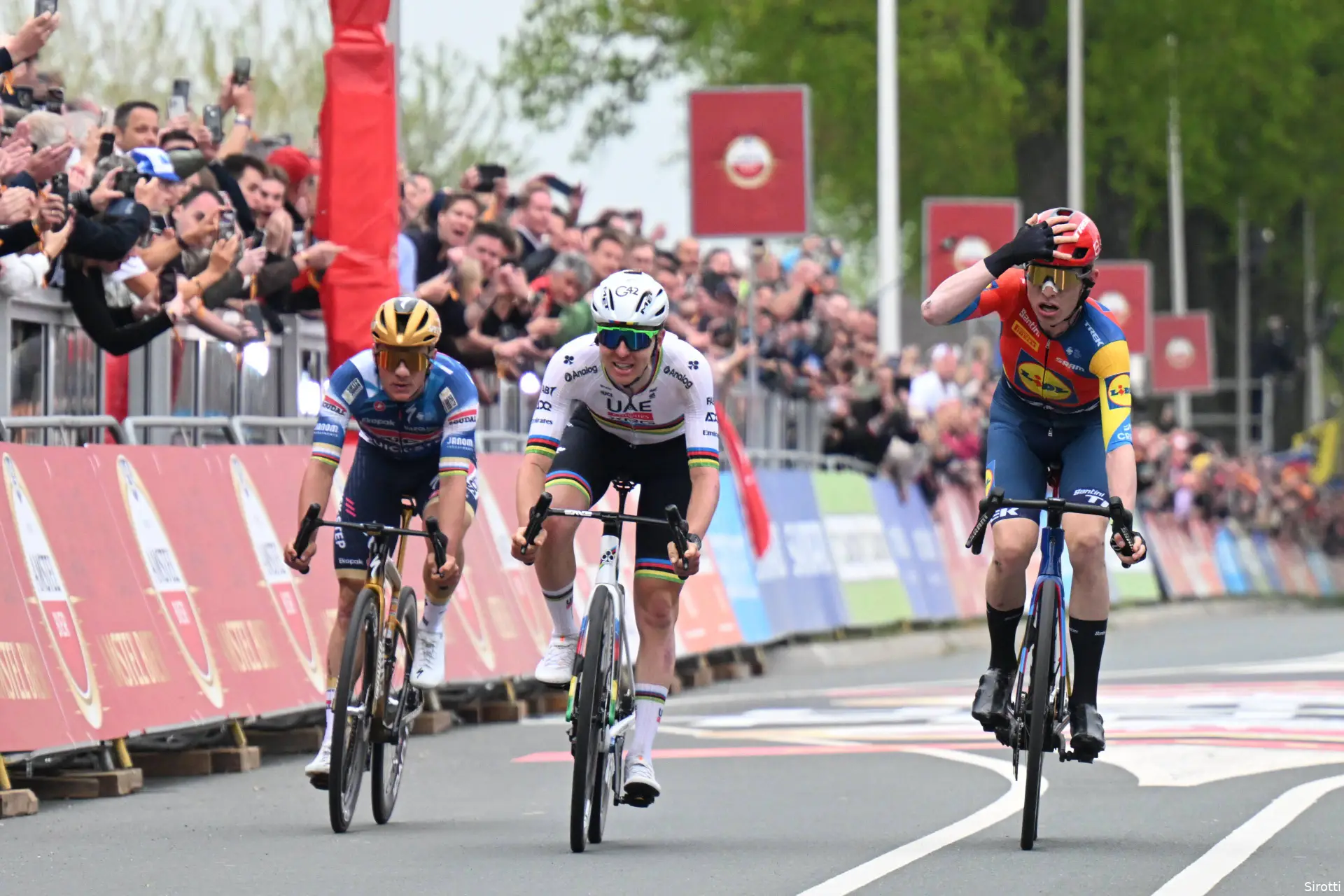
In a race, the viewer sees real riders and a real finish, even though the director decides which images end up on screen. At an online table it is less obvious that anything real is happening, because there a program seems to pick a number in a fraction of a second. In the digital version that is exactly what happens: software determines the outcome. At a table filmed live, it does not. There, a croupier spins a real wheel, and the camera follows the ball until it drops into a pocket. What the viewer gets to see is not a calculation, but a recording of something that is really happening at that moment.
The regulator looks back on five years of a legal online market
In October, the Dutch Gambling Authority (Ksa) noted that it was exactly five years since the online gambling market was legalised and the first licence holders went live. How large that market has become is set out in the monitoring report from spring 2026. According to that report, an average of 1.38 million accounts per month were used to play in the second half of 2025. Because one player can hold several accounts, the regulator estimates the number of people at around 500,000 per month. According to the same report, about 91 percent of Dutch people who gamble do so only with licensed operators, a share that has remained stable in recent years.
How does the director decide what you see of the moment?
Anyone who follows a race through images from motorbikes and helicopters knows how much depends on the director's choices. The same applies to filmed tables. In a stage, the director decides which shot goes out at that moment, and some tables are filmed in a comparable way. There, several camera angles and slow motion replays show the spin of the wheel and the landing of the ball in more detail than at many standard tables. A replay like that does what the slow motion images of a bunch sprint do: they show afterwards what went too fast to follow live.
How a round at the roulette table unfolds
At a table like that the order is fixed, and that order also decides what the director is able to show. First you place your bet on the digital betting table, then the betting round closes, and after that the croupier spins the wheel. That is how live roulette is played, and it makes watching different from a sprint: your choice is already made before the wheel turns. All the camera angles and replays therefore only come once nothing about the bet can be changed. Just as in a stage, the director chooses which image you see, but the pocket the ball lands in is already decided by then. A real table does remain a game in which you can lose money: you can only take part from the age of 18, and adjustable play limits can help you play responsibly.
The UCI document is also about the images of the race
How a broadcast is put together is a subject in cycling too: the UCI received 55 submissions for its major consultation, including from television broadcasters. In the new UCI document on the future of the sport, a central digital platform, better availability of race data and more modern television productions are named as possible ways to turn casual viewers into real cycling fans. AI and other new technology are mentioned as well. According to the UCI, races could be presented better this way, and stories about riders and teams would become more accessible.
More striking for anyone watching at home is a passage about safety, which even names drones as a possible replacement for part of the motorbikes and other vehicles in the race. The motorbikes in particular are described as a nuisance, and for the viewer that is no side issue, because the camera motorbikes ride in the convoy as well. According to the consultation, the number of vehicles may also have to come down. GPS trackers, which were used again at the World Championships, can make the positions of riders and team cars more visible.
For now, these are recommendations from a consultation. In the UCI's own summary, modernising broadcasts and the bond with fans is among the points that came up most often, alongside a more coherent calendar and stricter enforcement of existing safety requirements. Better supervision by the race jury with new technology, such as VAR and GPS, is on that list too. Which of those ideas actually make it into racing remains to be seen. However many cameras ride along, the race is still decided on the road.
IDL-productions
From potential relegation to top contender: NSN Cycling and Iniesta dominate the 2026 transfer window
2026 Ghent Six Day Preview: Track World Champions Mark Stewart & Lotte Kopecky lead the charge in Belgium
From Oscar Onley to Cameron Mason, Scottish riders are having a moment at the top level of cycling
Cyclocross legend Lars van der Haar had a tough time after retiring from cyclocross: 'It was over pretty quickly'
Celia Gery won the European cyclocross championship while awaiting surgery: 'It'll be a new beginning'
Latest Cycling News
Steven de Jongh allowed to continue coaching Quinn Simmons even after leaving Lidl-Trek
Giro d'Italia organisers want different calendar spot: 'Give riders the opportunity to participate in both the Tour and the Giro'
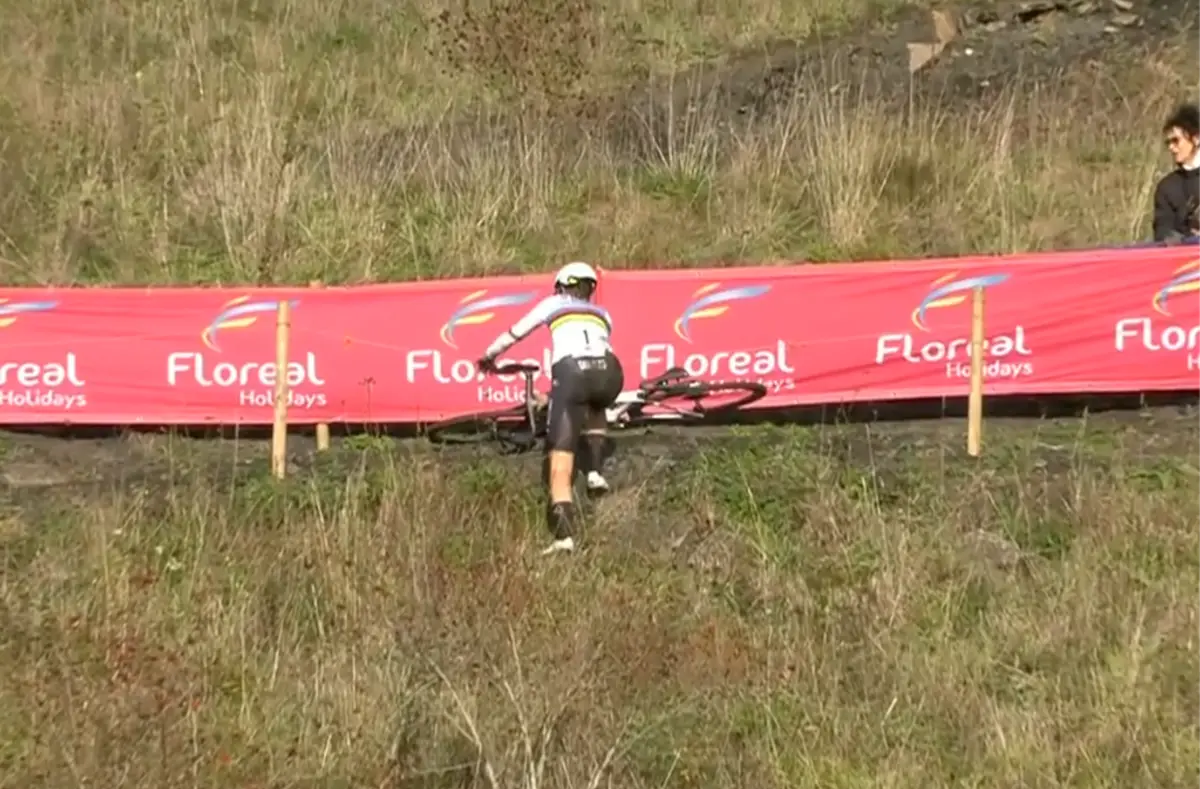
Lucinda Brand shares medical and mental health update after severe crash at the Beringen cyclocross
Eddy Merckx challenged Tadej Pogačar to attempt cycling's biggest challenge, and Pogačar has answered
Hometown hero Brandon McNulty welcomed to El Tour de Tucson, Arizona: 'A lot more publicity now'
Popular Cycling News
Cycling transfers 2026/2027 | Roglic's big move tops the transfer list in November
Lucinda Brand shares medical and mental health update after severe crash at the Beringen cyclocross
Primoz Roglic hopes to ride the Tour de France for NSN, but Carapaz wants to avoid Tadej Pogačar
Tadej Pogačar plays padel tennis and sets his sights on two more goals for 2027
Lucinda Brand explains her poor performance at Lokeren cyclocross: 'It’s a wonderful compliment'
Latest Comments
- If he loves altitude camps, that’s a real advantage. Still, all that time away must take a toll eventually. Does anyone know which Grand Tour Lidl-Trek are planning for him?samanthak22-11-2026
- Fair play to Gall, but podiums don’t automatically make a rider a Grand Tour winner. He’ll need everything to click—and probably a bit of luck, too.raceready722-11-2026
- Joining a new team could be exactly the reset he needs after five years. Curious how they’ll divide the Grand Tour leadership between Gall, Ayuso and Skjelmose.gearguru3322-11-2026
- Two Grand Tour podiums in one season is a huge leap. Gall has earned the right to aim for a win, though Lidl-Trek’s leadership options are stacked.patriciaw22-11-2026
- Two riders, 13 races and a roommate for the winter — sounds like a good recipe for a fun season. Hope they both stay healthy!andrewf21-11-2026
- Why are they starting in Ostrava and Tábor specifically? Is that just how the calendar falls, or are those courses a good fit for them?raceready721-11-2026
- Great to see Shirin back targeting cyclocross. If she gets near her best, that could be a brilliant partnership for Canyon//SRAM.samanthak21-11-2026
- “Quality over quantity” makes sense with their road seasons to consider. Thirteen races still sounds like a hefty winter, though!davidm21-11-2026
- Two genuine contenders in the same squad should make the World Cup rounds fascinating. Bäckstedt can learn plenty from Van Anrooij, but she’s got the engine to push her right back.cyclechamp4521-11-2026
- Why is Paris-Roubaix so hard to predict compared with the Tour? Is it mainly the cobbles and punctures?davidm21-11-2026