16-day Grand Tours, AI, VAR, drones and more: The UCI's new document has a potentially major impact from 2029 onwards
Cycling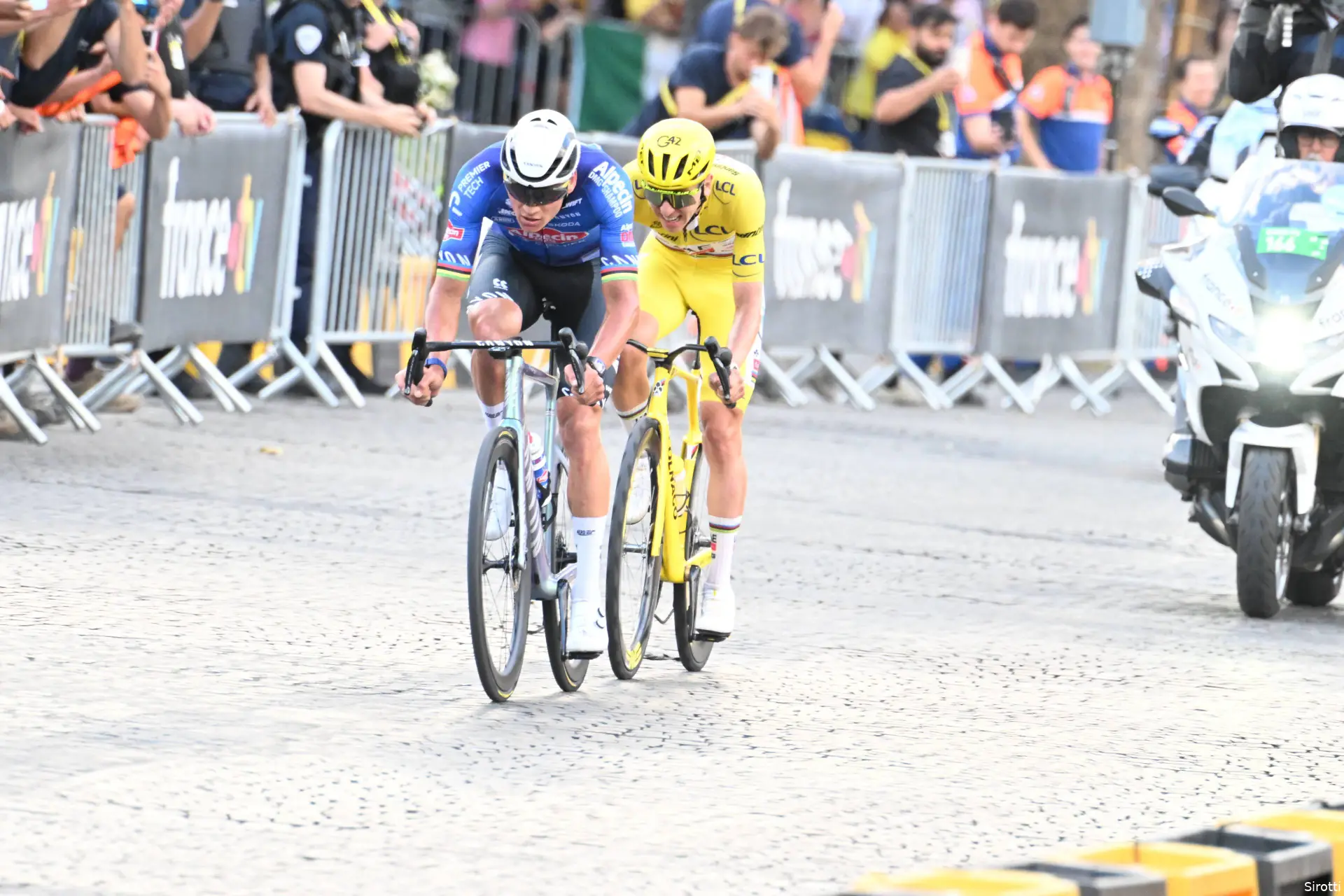
Follow IDL Pro Cycling on Google
Stay up to date with the best cycling news by making us a preferred source on Google.
Follow us on GoogleProfessional cycling could undergo significant changes starting in 2029. The UCI has published the results of a large-scale consultation on the future of men’s and women’s cycling, for which it received 55 submissions from teams, riders, organisers, national federations, sponsors, manufacturers, and television networks, among others.
ADVERTISEMENT
Five major areas have emerged in which the parties involved believe the sport needs to be reformed: the schedule, the economic model, the relationship with fans, safety, and the integrity of the league. The proposals do not yet constitute new rules, but are intended to form the basis for further negotiations and potential changes beginning in 2029.
Cycling calendar: Less overlap and more logic
There is a great deal of dissatisfaction with the current cycling calendar. Races frequently overlap, teams have to compete in multiple locations at the same time, and it is not always clear to fans how the races relate to one another. The UCI therefore wants to investigate whether races can be grouped more into geographic blocks.
This would give the season a clearer structure. Shorter stage races, adjusted participation requirements, and changes to the points system are also mentioned. The goal is a calendar that is easier for both teams and fans to understand, without losing the traditional open structure of cycling.
One of the most radical proposals is to also tamper with the “holy three weeks” of the Grand Tours. The consultation proposes reducing the Tour de France, Giro d’Italia, and Vuelta a España to sixteen days. That would represent a significant departure from the current three-week format. For now, this is explicitly a proposal from the consultation and not a decision by the UCI.
Continue reading below the photo

The season always kicks off in January in Australia.
Economic model in cycling: Budget cap, new revenue streams, and the transfer market
According to many stakeholders, professional cycling also needs to be restructured financially. Teams are currently heavily dependent on sponsors, while organizers are simultaneously grappling with ever-rising costs. One of the most striking ideas, therefore, is the joint management of (new) commercial and media rights, which would allow for a more equitable distribution of a portion of the proceeds.
In addition, there is renewed discussion of a budget or salary cap to reduce the significant financial disparities between teams. The UCI does want to maintain promotion and relegation and sees no merit in a completely closed WorldTour based on the American model, also known as a “Super League.” Instead, the ProTour should become a stronger competition, and the UCI’s ranking system is in need of an overhaul.
Ideas were also proposed regarding smaller teams in cycling races, to make races less predictable and less expensive. In addition to a budget or salary cap, perhaps the transfer market should also be examined, more like in soccer. For example, transfer windows, transfer fees, and stricter rules for agents could be options.
Read more below the photo

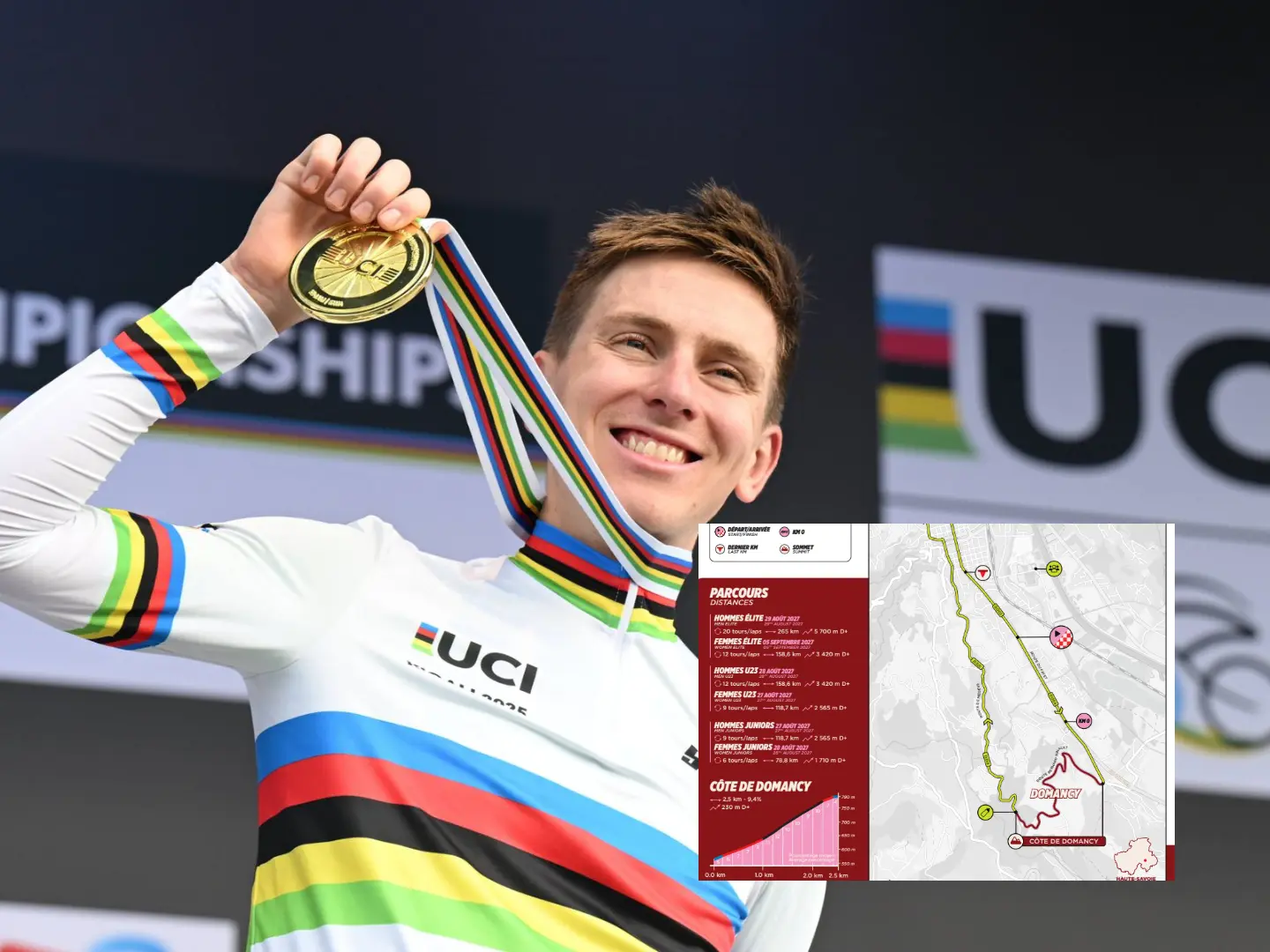
UAE Emirates-XRG dominates cycling with money and the best riders. The UCI wants to take action.
Cycling wants to reach a younger audience
The UCI also sees significant potential for turning casual viewers into true cycling fans. According to the report, there are particular opportunities among people under the age of 35. A centralized digital platform, more readily available race data, and more modern television productions could help achieve this. AI and other new technologies are also mentioned.
This would allow races to be presented more effectively and make stories about riders and teams more accessible. A clearer calendar also plays a role in this. Furthermore, the document mentions that top riders in the peloton should provide more certainty regarding their participation in specific races. This way, fans and organizers will have a better idea of where the big names will be competing.
Women’s cycling is now seen as an important growth market, although stakeholders warn that the financial challenges facing men’s cycling differ from those facing women’s cycling. For that reason, women’s cycling is actually addressed in all five themes, not just in fan engagement.
Read more below the photo

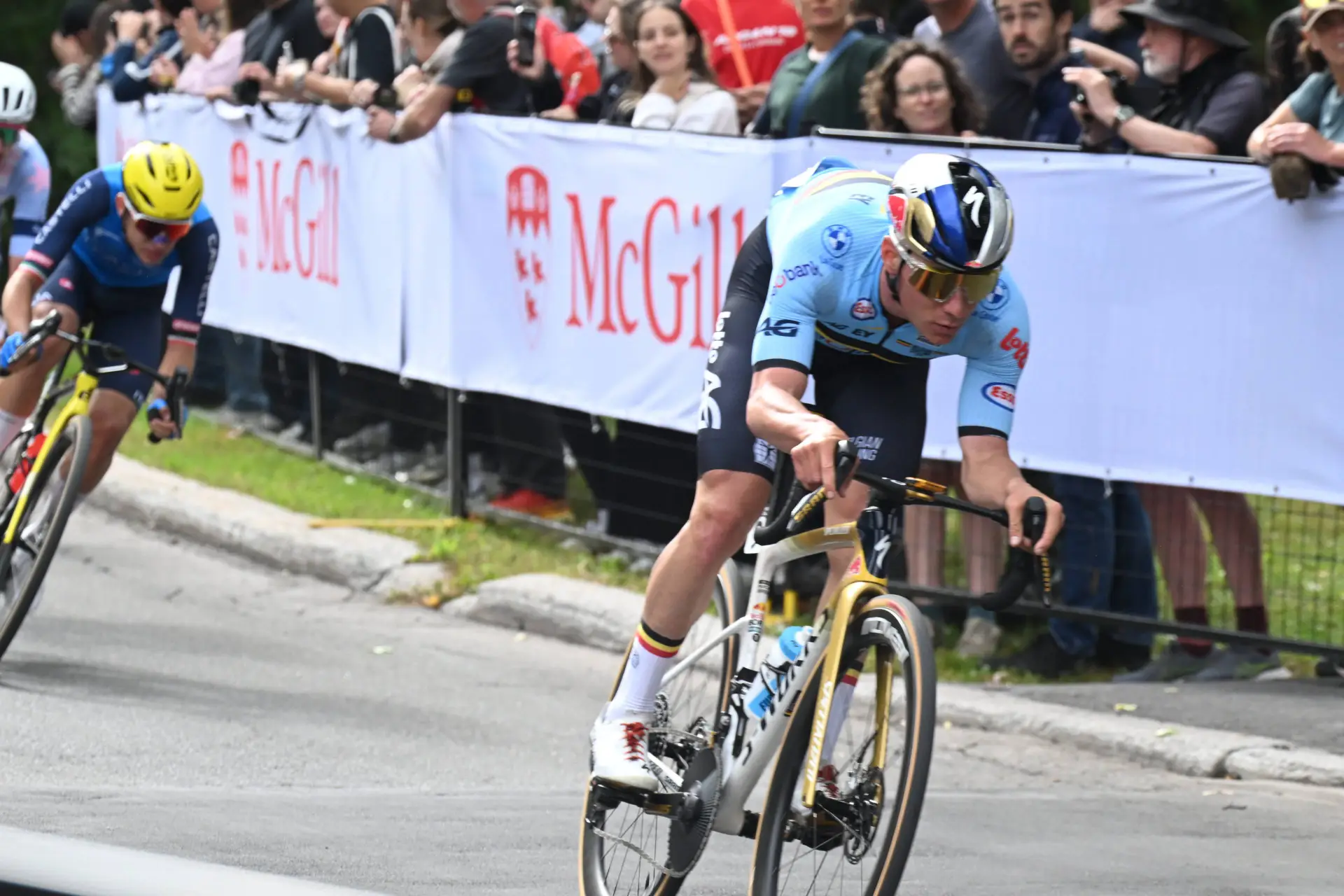
More data in broadcasts, like what we often see on our website via Strava?
Cycling teams want stricter course inspections and fewer vehicles
Safety is one of the topics on which there is the greatest consensus. The riders who participated in the consultation, in particular, see significant room for improvement in this area. Ideas include a safety score for the final kilometers of races, stricter requirements for race courses, and mandatory safety training.
The number of vehicles in the race may also need to be reduced. GPS trackers, which were used again at the World Championships, can make the positions of riders and support vehicles more visible, while even drones are being mentioned as a possible replacement for some of the motorcycles and other vehicles. Motorcycles, in particular, are cited as a nuisance.
In addition, the UCI intends to continue investigating whether equipment regulations can help limit risks and excessive speeds. Riding more frequently on local circuits could also help ensure compliance with safety requirements.
Read more below the photo

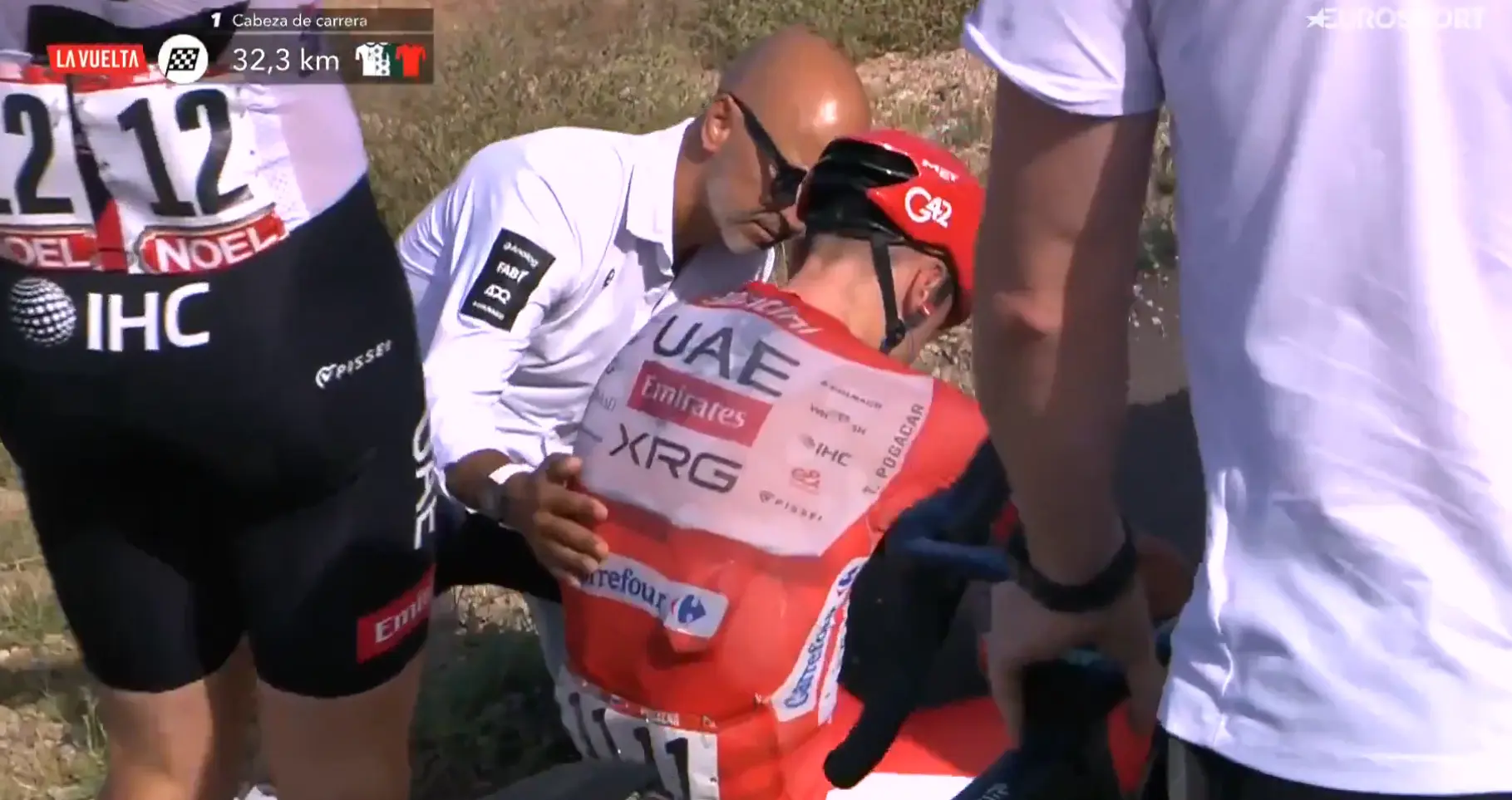
Fewer crashes like the one involving Tadej Pogacar in the Vuelta a España?
VAR and AI to combat fraud in cycling
Finally, the UCI is exploring ways to ensure that results are as fair as possible. One notable idea is a system somewhat similar to VAR in soccer, in which judges can review race footage before a final decision is made. According to the report, AI could also play a greater role.
Artificial intelligence can, for example, be used to analyze biological passports and detect anomalous values. At the same time, the fight against technological fraud must be further modernized.
Various proposals are still under discussion, so nothing is final for the time being. The next major discussions will take place during the WorldTour seminar in Benidorm, after which it should become clearer which reforms can actually be implemented starting in 2029. The UCI already presented several measures for 2027 during the World Championships.
Read also
Bram van der PloegEditor-in-chief
Bram van der Ploeg (35) is the proud founder of In de Leiderstrui, IDL Pro Cycling's parent site, launched in 2018. Finally, he could create stories about the sport he had followed since childhood. He is the editor-in-chief on paper, but prefers to be with his recorder next to a rider, a team bus, or in the mud at a cyclocross race. Every year, from February to the end of May, Bram follows the entire Italian cycling season, from the Trofeo Laigueglia to the Giro d'Italia, with the grand finale in October in Lombardy. During that time, he lives in Tuscany, where he has since come to call Italy his 'home'.
IDL-productions
Quinn Simmons' Strava shows exactly what it takes to compete at the World Championships: ‘I said, Hey guys, anything is possible'
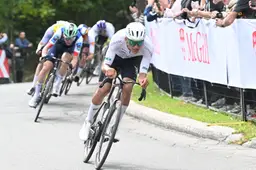
Despite losing the World Championships, Del Toro and Seixas rank high mentally and physically on the Pogačar scale
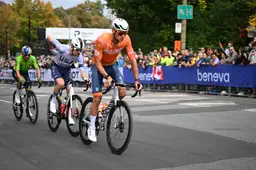
Van der Poel loves it, but a lack of race radios gave McNulty and USA the chaos it needed to slip away
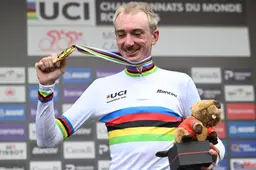
Pogačar hails the 'King of Montréal', but McNulty already has a plan for 2027: 'Maybe Tadej will have to ride for me'
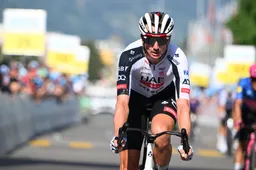
An American rider can win the Elite Men’s World Championship road race, but the smart money isn’t on Quinn Simmons!
Latest Cycling News
Giulio Pellizzari has a major score to settle at the European Championships: 'I wasn't worthy of the blue jersey'
Oscar Onley on his day in the break with Van der Poel, Van Aert & Simmons: "I still have to figure that out"
Matthews joins the Pidcock Del Toro row after World Championships: 'If fewer teams had ridden together across national borders...'
Bahrain Victorious talent returns positive doping test and is suspended by his own team
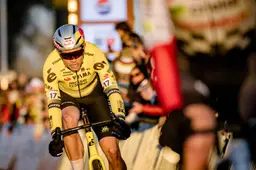
Pidock is out, Van der Poel is a question mark, but Van Aert will race cyclocross this winter
Popular Cycling News
Cycling transfers 2026/2027 | Izagirre calls it quits, Astana bags an emerging sprinter
Matthews joins the Pidcock Del Toro row after World Championships: 'If fewer teams had ridden together across national borders...'
Pidcock accuses Del Toro of helping UAE teammate McNulty to the rainbow jersey: 'Obviously working for McNulty in the end'
Isaac del Toro hits back at Pidcock's criticism: 'All the other teams remained passive'
Oscar Onley on his day in the break with Van der Poel, Van Aert & Simmons: "I still have to figure that out"
Latest Comments
- - McNulty solo win gets one line? Come on, give Brandon some kudos—his timing on Camillien-Houde was spot on, and MvDP covered a lot to set that finale up. Grande artículo, pero faltan detalles de la táctica en Montréal.patriciaw01-10-2026
- - Not sure why the piece keeps circling back to “we’ll see” without new info. Feels a bit padded. Either he races CX or he doesn’t—tell us when he’ll decide.raceready701-10-2026
- - I’d miss the cross battles if he sits out. The last winter run from Namur onwards—13 straight wins and Hulst rainbow—was insane. But resting might be the only way to consistently match Pog next April.jeremya01-10-2026
- - Quick question: the article says the baby is due around the time of the 2027 CX Worlds in Ostend, but earlier it says January with the 2026/this winter schedule. Is that a typo on the year?julien01-10-2026
- - Brilliant season wrap from MvDP. Eight wins, two TDF stages, E3 + Omloop, and bronze in Montréal. If he skips cross, that could sharpen the spring peak for Sanremo/Ronde/Roubaix. Family comes first though—proficiat to him and Roxanne.breakawaybikerd01-10-2026
- - I don’t really get why none of the Vuelta guys made top 13 at Worlds. Is two weeks really not enough to recover? And does heat make that big a difference?patriciaw30-09-2026
- - Pogi comparisons are getting old. Let the kid breathe. He’s more Ayuso-style diesel than Pogačar’s chaos watts. Still, seventh in first GT = massive. Bravo fantje!julien30-09-2026
- - Question: how steep are the key climbs on the Euros course in Ljubljana? If it’s punchy like a Mohorič/Tratnik playground, does Roglič still lead or do they free Omrzel to roll the dice?jennifer1930-09-2026
- - Small correction: the piece says “In 2026 he finished sixth at Tour of the Alps” but this season is 2024—typo? Otherwise love the context on Bahrain Victorious’ plan not to rush him.robert6530-09-2026
- - Great read. Omrzel’s Vuelta ride was legit—Stage 12 raid plus holding top 10 to Madrid at 20 is wild. Skipping Worlds made sense with those Montréal fade-outs. Bring on Ljubljana!jeremya30-09-2026
Loading