Riders are choosing to race less and less: Tim Declercq on the 'snowball effect' of modern training
CyclingThursday, 07 May 2026 at 12:31
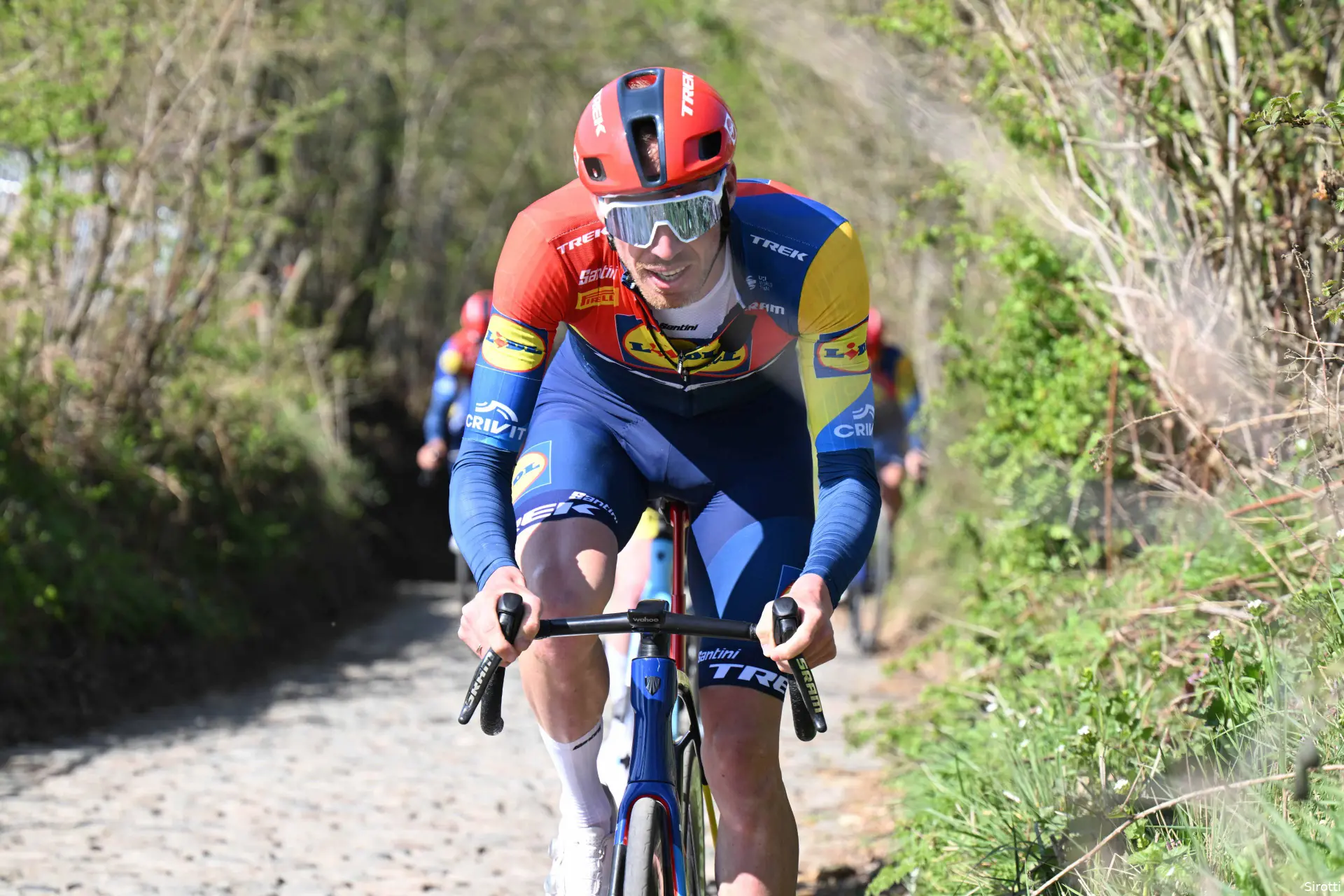
Follow IDL Pro Cycling on Google
Stay up to date with the best cycling news by making us a preferred source on Google.
Follow us on GoogleRemco Evenepoel recently announced that he would skip the Tour Auvergne-Rhône-Alpes — formerly known as the Critérium du Dauphiné — to prepare for the Tour de France through training camps instead. It is part of a wider trend that has become increasingly visible across the peloton in recent years: riders racing less and less. Former professional Tim Declercq and Belgian national coach Serge Pauwels discussed the topic in Belgian newspaper Het Nieuwsblad.
ADVERTISEMENT
Tadej Pogačar had just five race days to his name by the end of April. Evenepoel is skipping racing in his Tour preparation entirely. And Wout van Aert built in a nearly two-month racing break after his Paris-Roubaix victory. Racing less is becoming increasingly popular among the sport's top riders — and it is a relatively recent development, Declercq explains.
"In the past, people still believed you couldn't be in good shape if you hadn't been racing. That's no longer the case." Declercq points to several reasons, starting with the level of racing itself. "It's so much higher now, which means riders need longer to recover. When you have three races in a single week during the Classics, for example, you simply can't train. The riders' fitness really drops off."
Pauwels agrees. "The tough races demand so much from riders — physically and mentally — that they genuinely need time to reset." And with so much more data now available, targeted training has become even more valuable. "In a race, you have far less control over the metrics you can actually measure."

Declercq talks of a snowball effect as riders race less
According to Declercq, a snowball effect has taken hold. "Because riders race less, they're very hungry when they do — which makes the races even harder." But the rising intensity of racing is not the only reason top riders are choosing to compete less frequently.
"Everyone goes to altitude camps these days. They're very effective, but the benefits don't last that long. Once the effects wear off, riders head back up for another camp, which means they miss a lot of racing," says Declercq. "There are still riders who thrive on racing, though. Look at Wout (Van Aert — Ed.): he digests a three-week stage race extremely well and is actually in top form right afterwards," Pauwels adds.
Riders also need to be at their ideal racing weight ahead of a Grand Tour. "During a race it's not easy to restrict carbohydrates and shed a bit of weight that way — it's much easier to do in training," says Pauwels. Even so, Declercq believes riders shouldn't underestimate what racing gives them. "Maybe not physically — but tactically and in other areas, it's very important that riders keep racing."
PD
Pim van der Doelen
IDL-productions
Three world titles, two heart surgeries, and one last U23 chance: the Rogers family story behind Cameron's World Championship heartbreak
Mathieu van der Poel sees '1,000 scenarios' for the World Cycling Championships road race: 'Actually reminds me a bit of Glasgow'
Here's why the 2032 World Championships were awarded to India, not the Netherlands
Who is Isabella Holmgren, the 21-year-old Canadian who is the clear favourite for the women's U23 world championship?
Australia leave team spots empty, USA riders pay $1,000 to race: the World Championships' national team model faces serious financial problems
Latest Cycling News
Reusser lashes out at fellow World Championship chasers: 'I was the only one racing for gold'
Niewiadoma has mixed feelings finishing second to Vollering again: 'I lost the rainbow jersey'
🎥 Women's World Cycling Championships marred by severe crash, favourite Paula Blasi abandons
Longo Borghini goes down fighting at the World Championships: 'I'd rather lose like a champion than beat her like a loser'
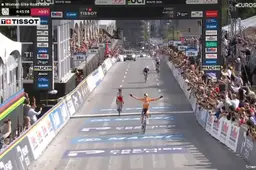
World champion at last! Demi Vollering made the race her own but is pushed all the way to the end
Popular Cycling News
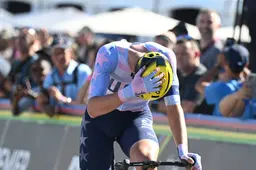
Disappointed Belgian Driesen has his doubts about the legitimacy of Barry's victory: 'They'll say I'm a sore loser'
🎥 Women's World Cycling Championships marred by severe crash, favourite Paula Blasi abandons
2026 World Cycling Championships Route & Schedule | Vollering gets her rainbow finish after thrilling race
Tom Pidcock has four specifically picked domestiques in his hunt for a record-breaking rainbow jersey
World champion at last! Demi Vollering made the race her own but is pushed all the way to the end
Latest Comments
- - Qué carrera, magnifique esprit! Niewiadoma mostrando coraje total, pero Demi otra vez imparable en el sprint. Respect to both.sprocketspiny26-09-2026
- - Not sure the article gives enough tactical detail. Who was in the chase group and what teams were actually pulling? That context matters if we’re judging Kasia’s options in the finale.jennifer1926-09-2026
- - Brilliant race craft from Vollering. That surge at 40km to go forced everyone to burn matches, and Kasia still nearly nicked it. Silver today, but the trajectory for Niewiadoma is clearly up. Keep the faith.patriciaw26-09-2026
- - Can someone explain why a rider who isn’t the best sprinter wouldn’t attack earlier than 40k out? If sprinting isn’t her strength, wouldn’t a longer solo be better?julien26-09-2026
- - Heartbreaker for Kasia again. She’s riding smarter every year, closing that sprint gap bit by bit. Montréal finish really suited Demi’s kick though. Chapeau to both.bikebuffj26-09-2026
- - Grande corsa! Vollering troppo forte, pero Marlen con mucho coraje. Last climb gave me goosebumps.jennifer1926-09-2026
- - Kasia was immense. She covered so many moves and still had a kick on the last ramp. ELB nearly pipped Reusser too—fourth feels harsh, but that’s racing. Chapeau all round.davidm26-09-2026
- - Can someone explain why running out of energy gels happens at this level? Don’t they have team cars or feed zones to avoid that? Seems crazy to lose a medal that way.michael5426-09-2026
- - Not sure I buy Reusser’s take that “everyone was riding for second.” Dutch squad had numbers but they weren’t exactly free to tow the bunch. Also, national-team dynamics always get messy at Worlds. Still, her honesty is refreshing.pedalpowe2926-09-2026
- - What a thriller. Vollering timed it perfectly, but hats off to Reusser for lighting it up and taking big pulls. You could see the moment she looked for a gel and the gap opened—brutal.cyclechamp4526-09-2026
Loading