'Women's cycling is built on fragile foundations' — The Cyclists' Alliance president Grace Brown calls on the UCI to act
CyclingMonday, 04 May 2026 at 15:03
Follow IDL Pro Cycling on Google
Stay up to date with the best cycling news by making us a preferred source on Google.
Follow us on GoogleOn Monday May 4, The Cyclists' Alliance (TCA) sent a letter to the UCI calling for sweeping reforms to protect women's professional cycling. TCA Managing Director Deena Blacking and current professional Heidi Franz tell IDL Pro Cycling why the much debated reduction in TV coverage is only part of the problem, and what else needs to change.
ADVERTISEMENT
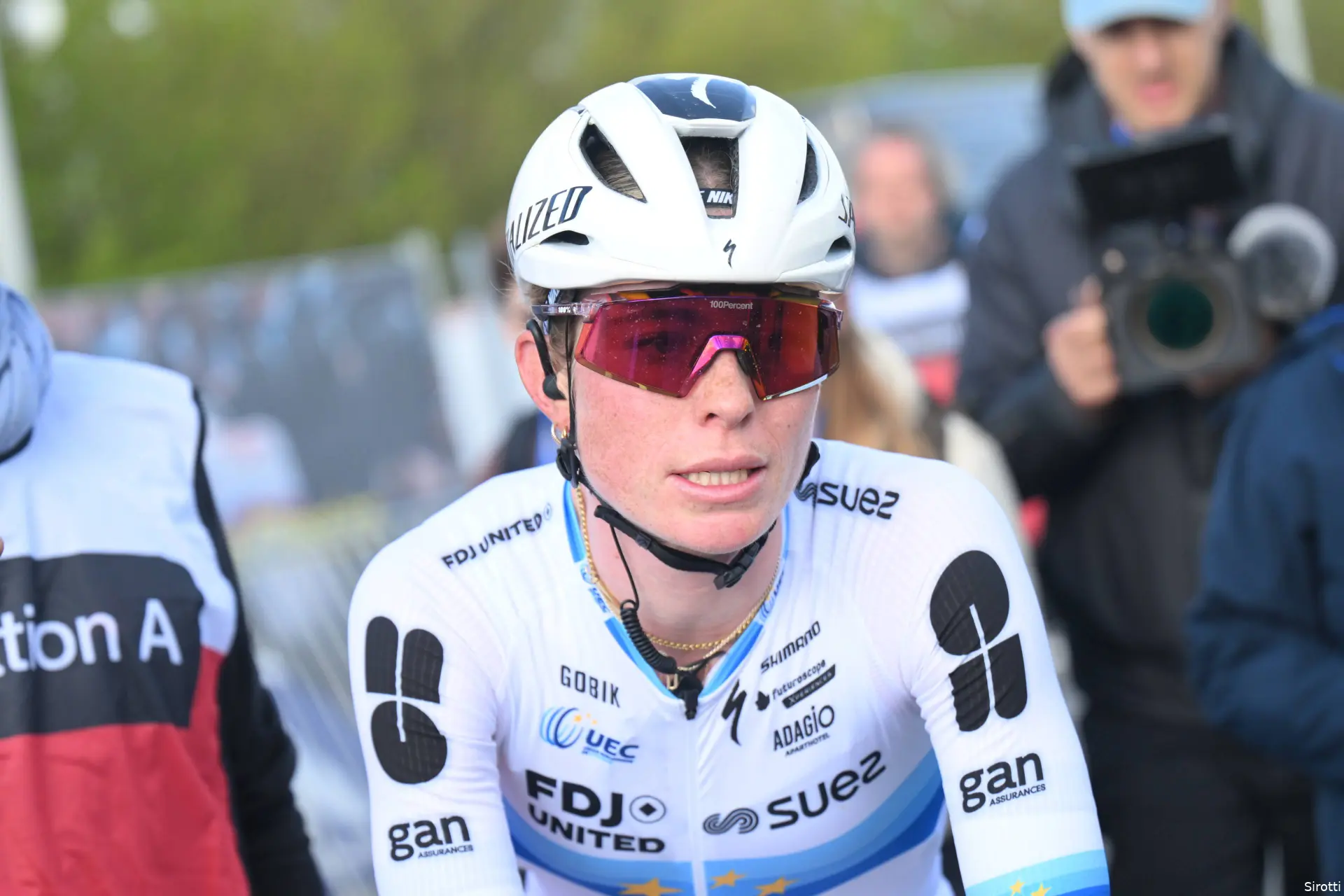
The spring Classics of 2026 were, by any measure, spectacular. Demi Vollering swept through the cobbles and the climbs, winning the Tour of Flanders, La Flèche Wallonne and Liège–Bastogne–Liège. The racing was gripping. The fields were deep. And yet, time and again, fans at home were only shown the final scraps.
It was something that Vollering herself took every opportunity to bring up. After every race win she returned to the same subject — women’s cycling is being failed. That tension is now being fought at the highest level of the sport.
The Cyclists' Alliance is an independent body representing women's professional riders. The 16-page letter to the UCI, sent from TCA president Grace Brown, is the response to the governing body's consultation on the future of professional cycling.
Titled 'Reform of Professional Cycling Consultation', the document sets out a series of recommendations designed to safeguard riders, protect teams, and strengthen the Women's WorldTour structure. A demand for fairer broadcast time makes up a large part, but by no means all, of the document, Blacking tells us.

Deena Blacking, Manager
'It's an interconnected ecosystem'
The spring of 2026 brought the TV coverage debate to a head. Race after race — the Tour of Flanders, Paris–Roubaix, Amstel Gold Race, La Flèche Wallonne — saw broadcasters switch to the women's event only after the men's race had finished. In many cases, that meant viewers missed the first two-thirds of the racing. At the Amstel Gold Race, coverage only began with around 55 kilometres to go. At Liège, just the final 45 kilometres were shown live on TV.
However, as Blacking states, the issue goes deeper than just more TV time. "It's hard to pick out one single item," she says. "It's an ecosystem that's heavily interlinked." But if she had to identify one pressure point, it would be the racing pathway below the Women's WorldTour — the development races and lower-level teams where riders learn their trade. "This is being neglected," she says, "and it is showing many signs of fragility and degradation."
That fragility is something Elisa Longo Borghini has spoken about publicly. In TCA's letter to the UCI, the Italian champion is quoted warning: "I'm afraid that the WorldTour could implode at some point." It is a stark sentence. It is also, Blacking suggests, a genuine possibility if nothing changes.
Vollering, visibility, and who holds the power
No rider has been more vocal about the TV problem this spring than Vollering herself. She raised the alarm before Liège on Instagram, posting an old photo from her youth racing days at the top of La Redoute. "This photo reminds me of how far we've come — and how far we still have to go," she wrote. After winning the race, she asked pointedly from the podium whether anyone had even seen her decisive attack.
Blacking welcomes that kind of outspoken advocacy. "Key sports personalities have a huge influence on the general public — often more than politicians," she says. "We are delighted when riders like Demi speak up, because people stop and listen."
So who is actually responsible for the cuts? The answer is frustratingly complex. Race organisers set the framework; host broadcasters — the lead channel responsible for recording and distributing the live feed — make the production decisions. The UCI sets a minimum broadcast requirement for Women's WorldTour events, but TCA's letter argues that this minimum is vague and lacks the specificity needed to enforce it properly.
Some broadcasters, including HBO Max, have defended themselves publicly, saying the decision is not theirs to make. Blacking accepts that, broadly, this is accurate — but it does not let anyone off the hook. "Ultimately, we need to start with the people at the top of the decision-making ladder," she says. "The race organiser, and the sport's ultimate arbiter, the UCI."

Heidi Franz, The Cyclists' Alliance rider representative
How does a lack of broadcast time affect the riders?
Heidi Franz, currently rides for St Michel - Preference Home - Auber93 after spells with Rally Cycling Women and Lifeplus Wahoo, gives an inside the peloton perspective: “When it comes to the team briefing and discussing strategy for the race for a smaller Continental or ProTeam, you will often hear something like “it’s good for the team to get on TV and have some visibility,” the 8-year pro says.
“It definitely makes an impact on a team’s overall strategy for the day. The early breakaway is a big opportunity for smaller teams to play their cards, make an impact on the race, and show their sponsors on the TV. If you’re not the leader or the rider getting the result and podium attention, this is critical. When it comes to securing contracts, showing their strengths or building a reputation, this coverage can make or break someone’s career.”
Franz also sits on The Cyclists’ Alliance board as the rider representative, so understands better than most the temperature within the peloton. “There is frustration, feelings that we are the side-show or an after-thought to the prestige and lore of the men’s races. If TV coverage was given based on entertainment value and excitement, you’d have the complete opposite scenario and we’d be seeing more women’s races from start to finish,” she adds.
“As a North-American racing in Europe full time, it certainly makes me sad that my family and friends often won’t get to see me “do my thing” in a race.”
A digital strategy that goes beyond live broadcast
Less TV coverage means less visibility. Less visibility means fewer sponsors. Fewer sponsors mean fewer teams, fewer jobs and a thinner pipeline of talent. That is the chain reaction The Cyclists’ Alliance is trying to stop.
But Blacking is also clear that simply demanding more broadcast hours is too narrow a goal. Women's cycling needs what she describes as "an in-depth, coherent multimedia strategy" — one that uses every available channel, from YouTube and social media to documentaries and digital platforms, to build a global audience.
There are moments that show what is possible. When the Tour de France Femmes relaunched in 2022, something shifted. Riders felt it. "They described the event as having a different level of energy, professionalism and respect for the riders as professional athletes," says Blacking. "When you create that environment, riders feel it."
That standard — professional, visible, respected — is what TCA wants applied across the whole season, not just the flagship race.
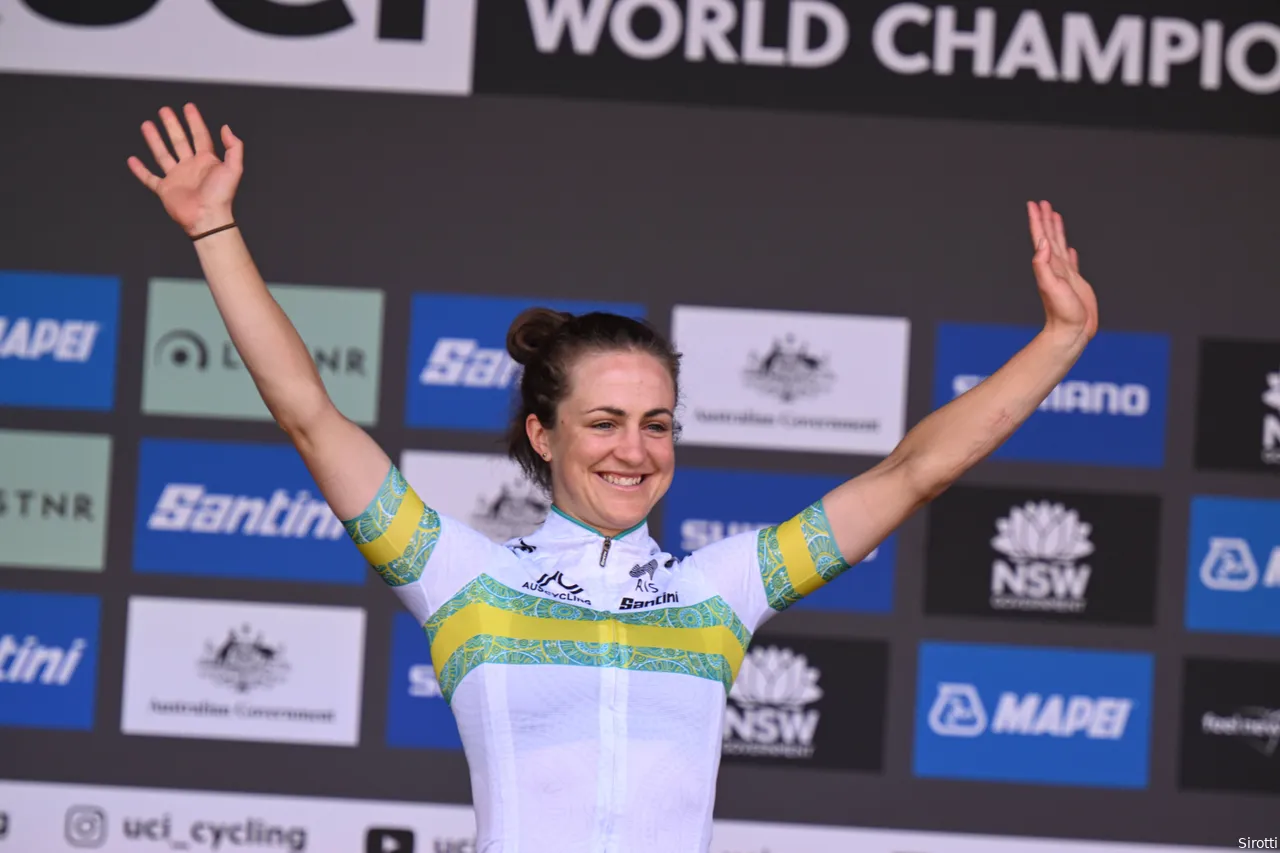
The Cyclists' Alliance President Grace Brown
What does The Cyclists’ Alliance hope to achieve?
In sending a letter to the UCI, Blackling reiterates that the issue, and intention, is bigger than broadcast time. They want a more coherent and open process across the board. “We hope to be a part of the discussions that come out of this consultation process. It has to be a joint effort, now that we have all spoken up,” she says.
“We know that Rapha, and other teams have also made submissions which all tend to reinforce and reflect each others’ submissions, especially on this topic of broadcasting. We are a rider organisation which puts riders first, so we will want to ensure that the rider voice is at the centre of this process.”
What can fans do to make themselves heard?
TCA's letter is part of a broader consultation process that the UCI launched in February, inviting all stakeholders to submit their views on the sport's future. The deadline for submissions was 30 April 2026. TCA hopes to be part of the discussions that follow.
Blacking is also keen to point out that the pressure does not have to come only from inside the sport. Fans can make their voices heard too — by supporting TCA directly. The organisation is currently seeking long-term sponsors after a difficult period of funding pressure. Supporters can back the organisation at cyclistsalliance.org or donate via their GoFundMe campaign.
The racing this spring was some of the best in years. Vollering was brilliant. The peloton was deep with talent and full of stories. And most of it happened off screen.
In order to protect and nurture that depth of talent, to ensure it continues providing excellent racing for years to come, a lot needs to change. A live broadcast plan for the 21st century and a stable professional pathway are the first places to start.

David Bavin-HobbsChief Editor
David has been working in the sports & cycling industry for 16 years. Covering racing, business and technology, he has worked in communications for cycling companies, teams, and as a journalist. His proudest achievement is winning the first bike race he ever entered. He hasn't won a race since.
IDL-productions
Tadej Pogačar's 2027 schedule is shaping up and it is mega: Tour de France #6, 'Super Worlds', and unfinished business in Spain
An American rider can win the Elite Men’s World Championship road race, but the smart money isn’t on Quinn Simmons!
Demi Vollering take note: Elite debutant Zoe Bäckstedt's previous World Championship results show why she's a contender

Female stars from across cycling disciplines, including Demi Vollering, condemn Sydney Sweeney 'sports' video

2026 GP Montreal preview | Evenepoel and Pidcock face World Championships dress rehearsal
Latest Cycling News
Yves Lampaert questions whether Evenepoel is enough of a 'true specialist' for the World Championship time trial
Tadej Pogačar's 2027 schedule is shaping up and it is mega: Tour de France #6, 'Super Worlds', and unfinished business in Spain
Netcompany INEOS’s Kevin Vauquelin hoovers up all the prizes at the 2026 Giro d'Abruzzo
FDJ-Suez strengthen an already super strong Vollering support squad by signing a returning world champion: ‘Rediscover the joy of cycling’
Italy have a dark horse contender for the Montreal World Championships, and he thinks he’s got Evenepoel figured out
Popular Cycling News
Cycling transfers 2026/2027 | Lotto Intermarché add experience with veteran GC rider
UCI issues scathing ruling following 'professional misconduct' and imposes a 10-year suspension
Ben Turner's departure from Netcompany INEOS isn't all that surprising once you hear his story: 'The team I looked up to'
Female stars from across cycling disciplines, including Demi Vollering, condemn Sydney Sweeney 'sports' video
Sepp Kuss is a special kind of cyclists, one we’re seeing less and less: 'It's a good formula for me'
Latest Comments
- - Vamos Aotearoa! Finn en forma después de la Vuelta y Pologne. Allez les Kiwis, bring it home.andrewf18-09-2026
- - Bit sceptical tbh. Saying “prioritise the track” feels like a convenient excuse when your best recent Worlds result is on the road. If you want results, back the athletes. This policy almost incentivises selfish racing.samanthak18-09-2026
- - Stoked to see Niamh back after silver in Kigali. Hard to believe that podium didn’t unlock any change. If the men ride with numbers into the final, Corbin Strong’s kick plus Finn on the climbs could be a nice one-two.jennifer1918-09-2026
- - Wait, why doesn’t the federation cover flights if they’re sending a team? If CNZ has $70k for “delivery,” what does that actually mean in practice—staff, cars, hotels?jeremya18-09-2026
- - Really solid piece. Finn’s honesty about the “everyone pays their own way” dynamic is eye-opening and explains why NZ often rides more opportunistically at Worlds. Montreal’s punchy laps suit him and Pithie—top 10 isn’t crazy.sprocketspiny18-09-2026
- - Love the Simmons/Jorgenson/Powless trio for USA. That’s a lot of horsepower to keep Brandon fresh. If they time the bridge before the final ascent, it’s game on. Vamos USA!velodromevirtuoso118-09-2026
- - Del Toro winning while Yates policed moves was classic UAE chess. Without that structure at Worlds, can McNulty read the chaos as a sole leader? He’s earned the shot, but the race will be messy.cadencekingm18-09-2026
- - Question: why does the climb being6 km matter so much? Is it more about punch vs pure climbers? Trying to understand why McNulty suits this course over, say, Remco.jeremya18-09-2026
- - Not sure I buy the “favourite” tag. Montréal one-day is not Worlds with national teams and weird alliances. Evenepoel and Pidcock will race totally different next time. Cautious optimism, not hype.sprocketspiny18-09-2026
- - Huge ride from McNulty. Third on the Worlds circuit against that field is no fluke. If Simmons and Jorgenson mark the early fireworks, Brandon can launch on Camillien-Houde last lap. USA actually looks stacked for once.julien18-09-2026
Loading