Cycling commentators critical of broadcasters over Amstel Gold Race TV coverage: 'Almost insulting'
Cycling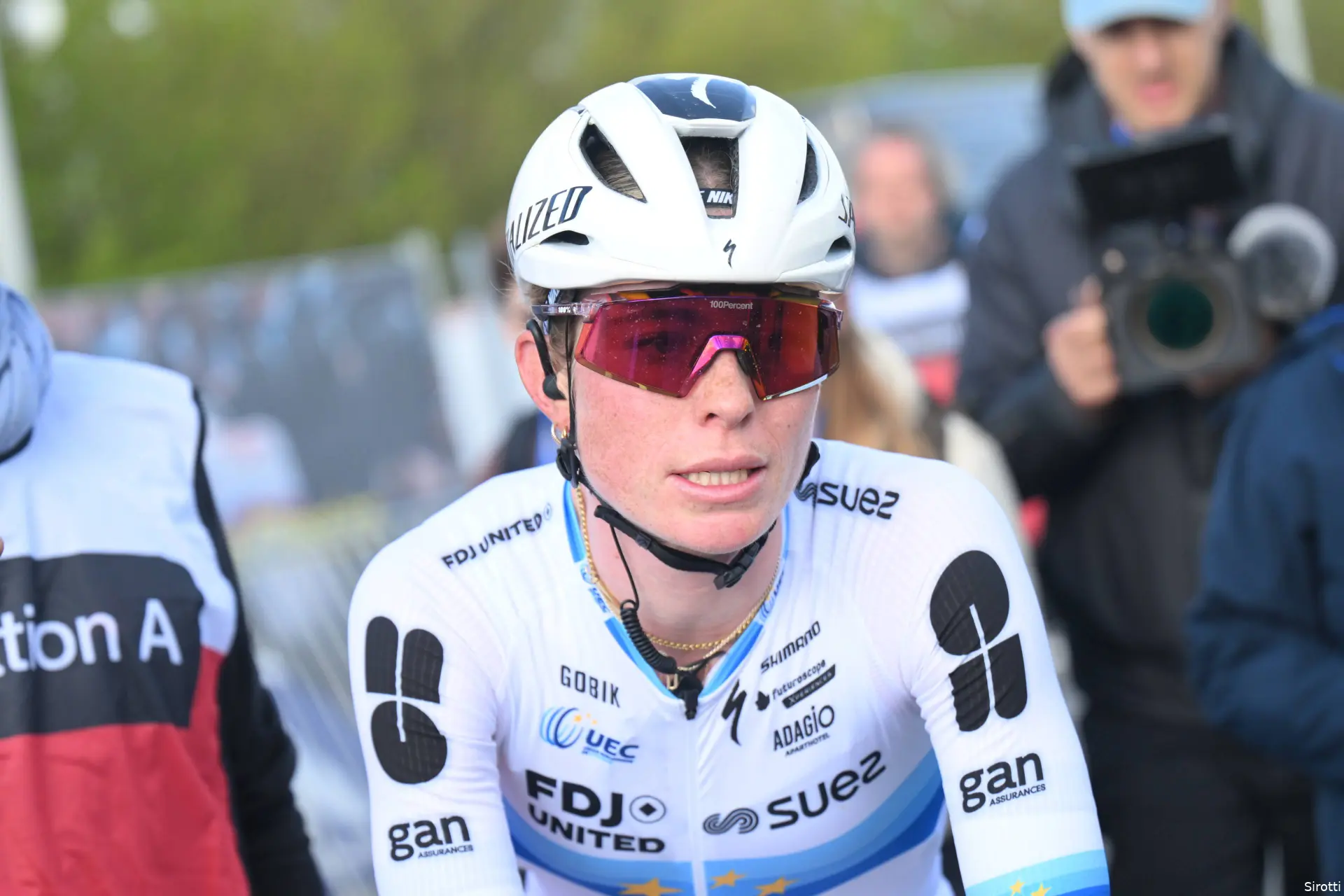
Follow IDL Pro Cycling on Google
Stay up to date with the best cycling news by making us a preferred source on Google.
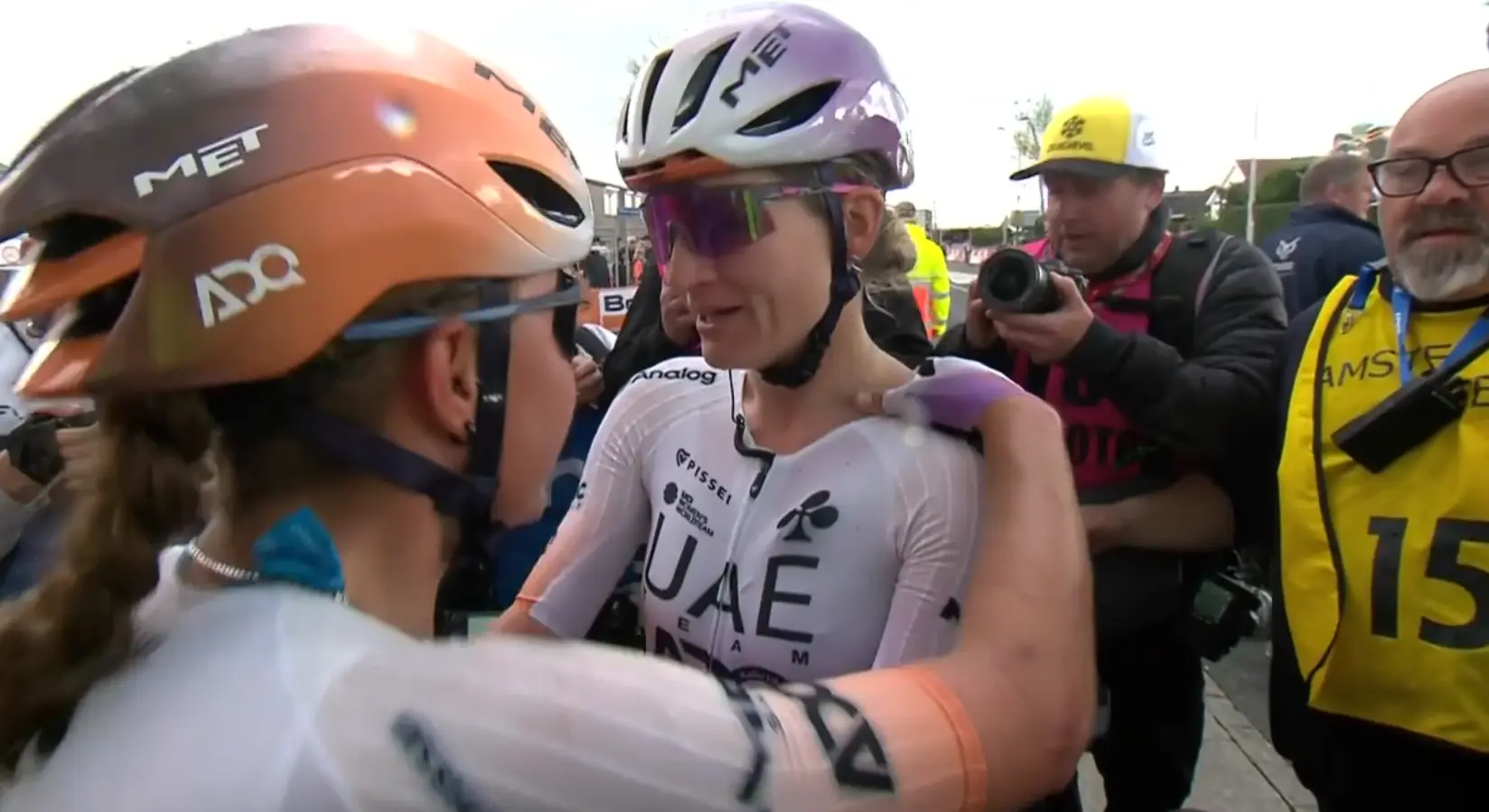
Follow us on GoogleThe women's Amstel Gold Race was wonderfully entertaining, with a surprise icing on the cake in the form of Paula Blasi's victory. Demi Vollering finished third, but said afterwards that viewers had been unable to watch the first part of the race. Live coverage only began with around 55 kilometres to go — and for Roxanne Knetemann, that is far too late.
ADVERTISEMENT
The former professional was on the start podium as an interviewer on the day, but turned her attention after the race to the lack of broadcast time given to the women's event. Why couldn't viewers watch the race from the start? "I've been asking this for six, seven years," Knetemann said on her podcast In het Wiel. "The NOS [the Dutch national public broadcaster] says the helicopter can't go up any earlier. I think it's a financial decision."
Cycling journalist Daniël Dwarswaard, her co-host, agreed. "It's almost insulting. It's not of this era. You just want to watch the race, but you miss decisive moments. You sit there waiting for the broadcast to start — and then they're almost at the finish. That's not how it should be."
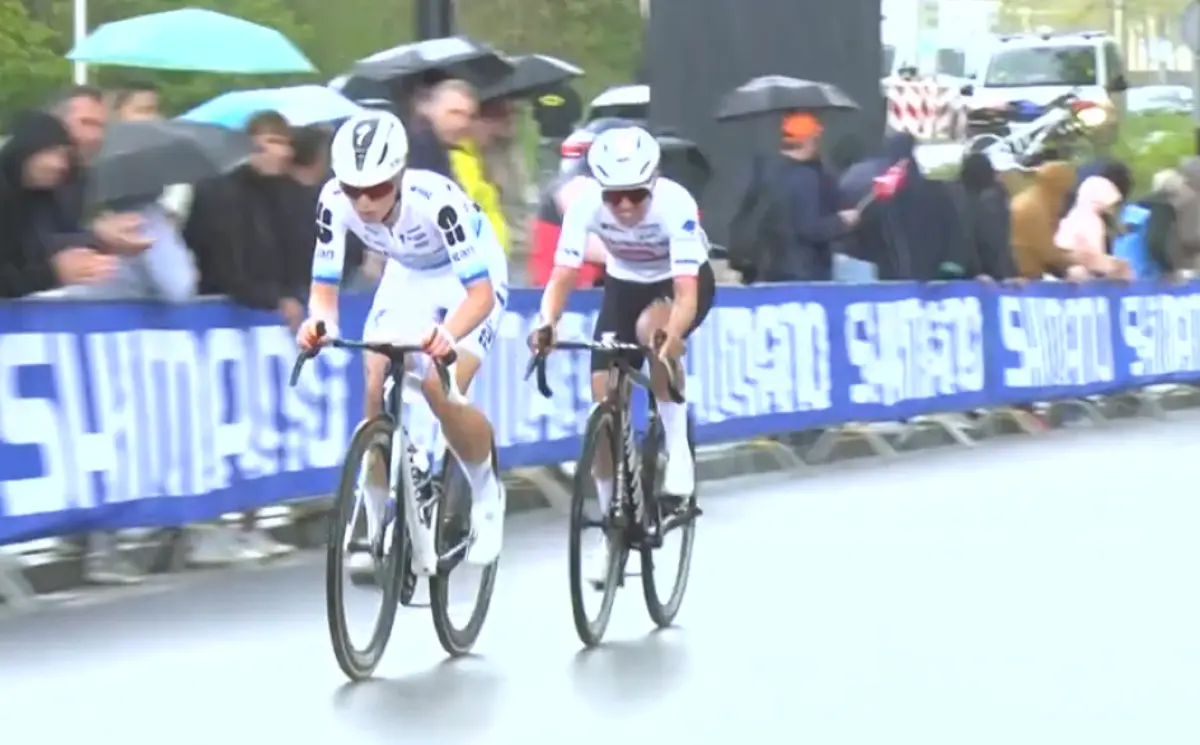
Vollering finished third, but she was spent. That comes as no surprise given her account of the race. "It is such, such a shame that you only saw the last 50 kilometres, because from the very start we rode as a team with real strength and dominance," she said after the finish. "Before we reached the local laps, we attacked every climb full gas. So it is really unfortunate, for everyone, that that wasn't on television."
Continue reading below the photo!
Knetemann: broadcast times are lagging behind the sport
The men's race was also only shown from a relatively late point — but at other races, that has not been the case. Paris-Roubaix and the Tour of Flanders were broadcast in full from start to finish for both the men and the women. At the Amstel Gold Race, the women's broadcast did not begin until after the men's race had finished. Knetemann has no time for it, and sees the coverage as still lagging far behind the sport's own progress.
"Everyone is vague about who should pay for it. But it seems obvious to me that the party involved simply doesn't want to. The idea that women's cycling should be grateful just to be allowed to race — we are long past that. Women's cycling is every bit as good as men's cycling. The riders have worked incredibly hard for that. But you see very little of it reflected in the coverage of this race."
IDL-productions
Team GB dominate, China on the rise, Lavreysen the best ever? Five takeaways from the 2026 Track World Championships
Track World Championships day 2: A golden day for Team GB, Levreysen goes 2 for 2, and Kopecky eliminates the competition
Rumours, speculation and guesswork: 2027 Tour de France route will be revealed live on October 22 in Paris
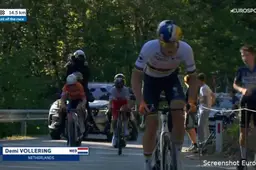
Vollering adds the Women’s European Championships road race jersey to her rainbow wardrobe
16-day Grand Tours, AI, VAR, drones and more: The UCI's new document has a potentially major impact from 2029 onwards
Latest Cycling News
Lipowitz looks for a change in 2027 says Red Bull's Denk: 'That’s exactly what Florian excels at'
Michael Valgren leaves EF and joins Netcompany INEOS: 'I’ve come full circle'
Paula Blasi joins Movistar in emotional move: 'It makes me even prouder to wear the jersey'
Tadej Pogačar to skip Paris-Roubaix in 2027: 'The easier it becomes to stay away from racing'
Transfer rumours fly as Roglič's retirement deadline looms: New potential team enters conversation
Popular Cycling News
Cycling transfers 2026/2027 | The road season has ended, but the transfer market is in full swing

Marcel Kittel, Wout van Aert, and Marianne Vos partied at a cycling festival in Ibiza: 'To avoid a major hangover'
Tadej Pogačar to skip Paris-Roubaix in 2027: 'The easier it becomes to stay away from racing'
Greg LeMond on Pogačar, Seixas and living with cancer: 'He is the next Hinault'
Wiggins Jr. gets his call up to the Jayco AlUla WorldTour team, alongside 3 other emerging talents
Latest Comments
- TotalEnergies’ sponsor situation makes this whole race for an invitation feel a bit academic unless they can secure funding. Hope they get it sorted—I’d love to see more teams get a crack at the Tour.cadencekingm21-10-2026
- Why do some teams get automatic invitations while others need a wildcard? Is it mainly based on their ranking from last year?robert6521-10-2026
- The paperwork deadline matters, but it’s odd that the UCI hasn’t explained what happens if a licence is vacated. Surely teams should know the process before the season is underway?velodromevirtuoso121-10-2026
- A guaranteed Tour start for the Rockets would be massive. Groenewegen has already shown he can deliver at WorldTour level, and the team looked well up to it at the Giro.gearguru3321-10-2026
- Pinarello-Q5 have made a strong case on the road, but a mid-cycle promotion would be messy if the UCI’s rules for filling a vacant licence aren’t clear. The riders and staff need certainty soon.jennifer1921-10-2026
- - The bike may be quick, but the article seems a bit too ready to credit the equipment for the result. Remco’s the one producing those watts—though I’ll admit, two minutes is a pretty convincing test ride.jennifer1918-10-2026
- - I’m still learning how time trials work: if Evenepoel caught Jay Vine, does that mean Vine started earlier, and do riders set off at fixed intervals?tourdeforce918-10-2026
- - A flat Tour TT on these roads would be brilliant viewing. Wide, fast courses really let the specialists show what they can do.davidm18-10-2026
- - Fourteen wins in a season is some going. He sounded focused on his own effort rather than the riders ahead, which is exactly the mindset you want in a race against the clock.michael5418-10-2026
- - Catching Vine and putting over two minutes into him is an enormous statement. That new Specialized clearly suits Remco—keen to see how it performs over a longer Tour time trial.raceready718-10-2026
Loading