Van der Poel's Canadian teammate Hugo Houle knows the Montréal course like no one else: 'I think that works in Mathieu’s favour'
CyclingSunday, 27 September 2026 at 16:25
Follow IDL Pro Cycling on Google
Stay up to date with the best cycling news by making us a preferred source on Google.
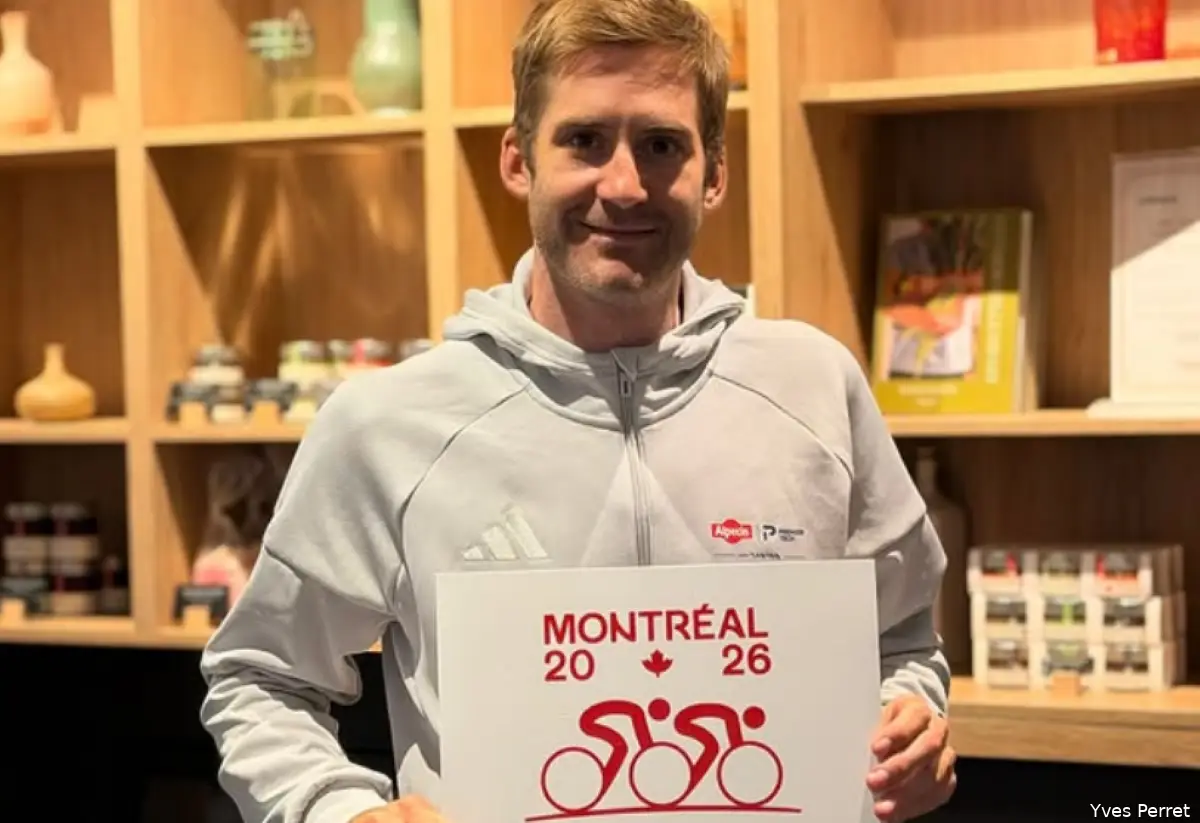
Follow us on GoogleIf there’s one rider who knows the World Championships course in Montreal like the back of his hand, it’s Hugo Houle. The 35-year-old rider, who hails from the French-speaking Quebec region of Canada, has been riding for Alpecin-Premier Tech since this year. On Wednesday, in an interview with IDL Pro Cycling and others, he shared his insights on the course and the chances of his trade teammate Mathieu van der Poel.
ADVERTISEMENT
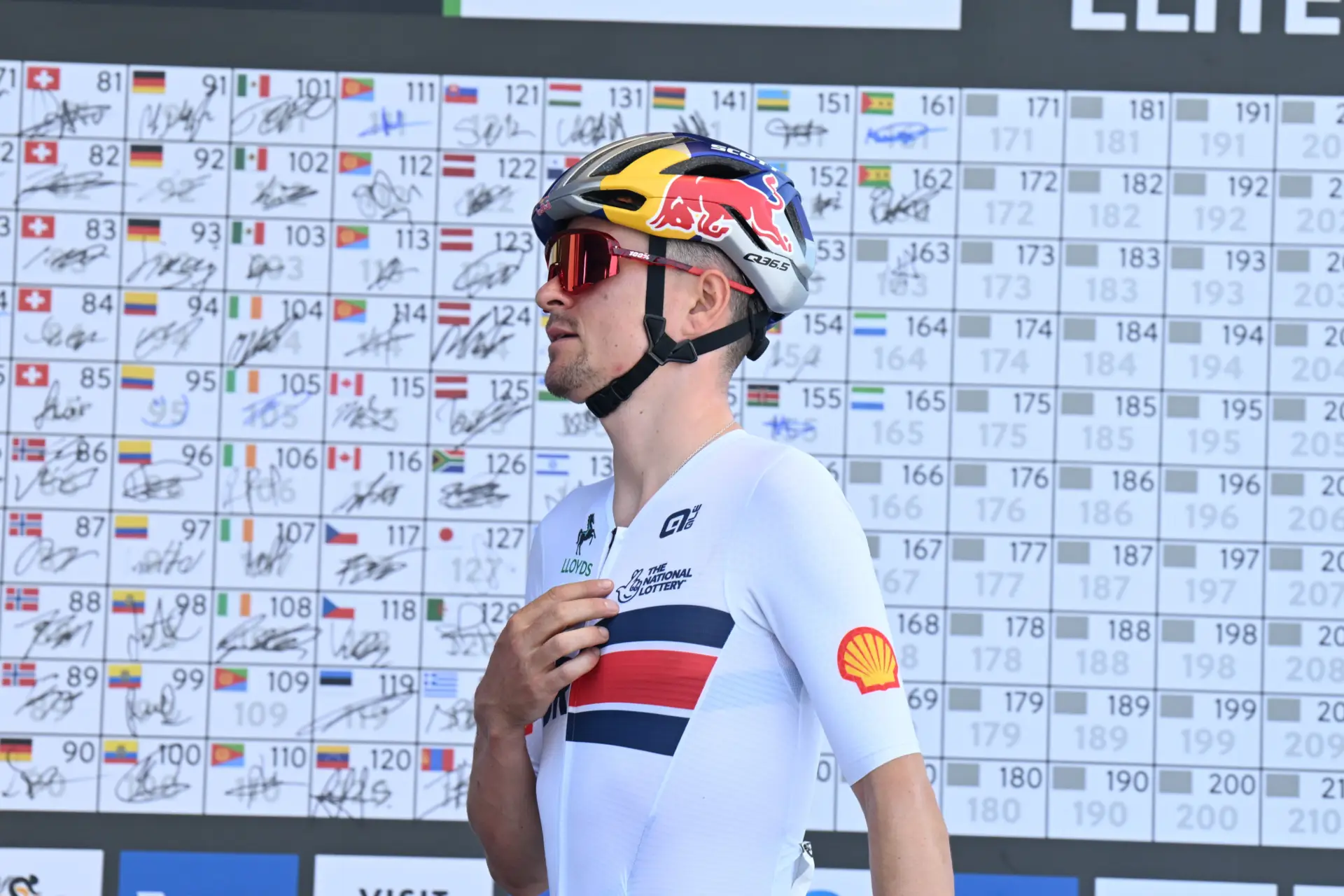
Houle has been riding for Alpecin-Premier Tech since this year, after transferring with the Canadian sponsor from the Israel team last winter. The experienced all-rounder managed to win an iconic Tour de France stage in 2022, and the World Championship circuit holds no secrets for him: after all, he has raced the GP Montreal eleven times.
The fact that he’s now on the starting line of a World Championship in his own country is a once-in-a-lifetime opportunity for Houle. “People in Quebec may not realise how exceptional it is to host a World Championship outside of Europe, and all the work that went into bringing these races here. As a rider, it’s a privilege to be here, and not every generation gets the chance to race in a World Championship at home.”
"Montreal is a really beautiful course, with a big crowd every time. Of course, it's tough, so there isn't much room for surprises when it comes to the winner. There are maybe 10 riders—if I’m being generous—who have the physical strength to really contend for the title on such a selective course. But I think everyone is happy to be here and to give it their all,” said Houle.
Read more below the photo!

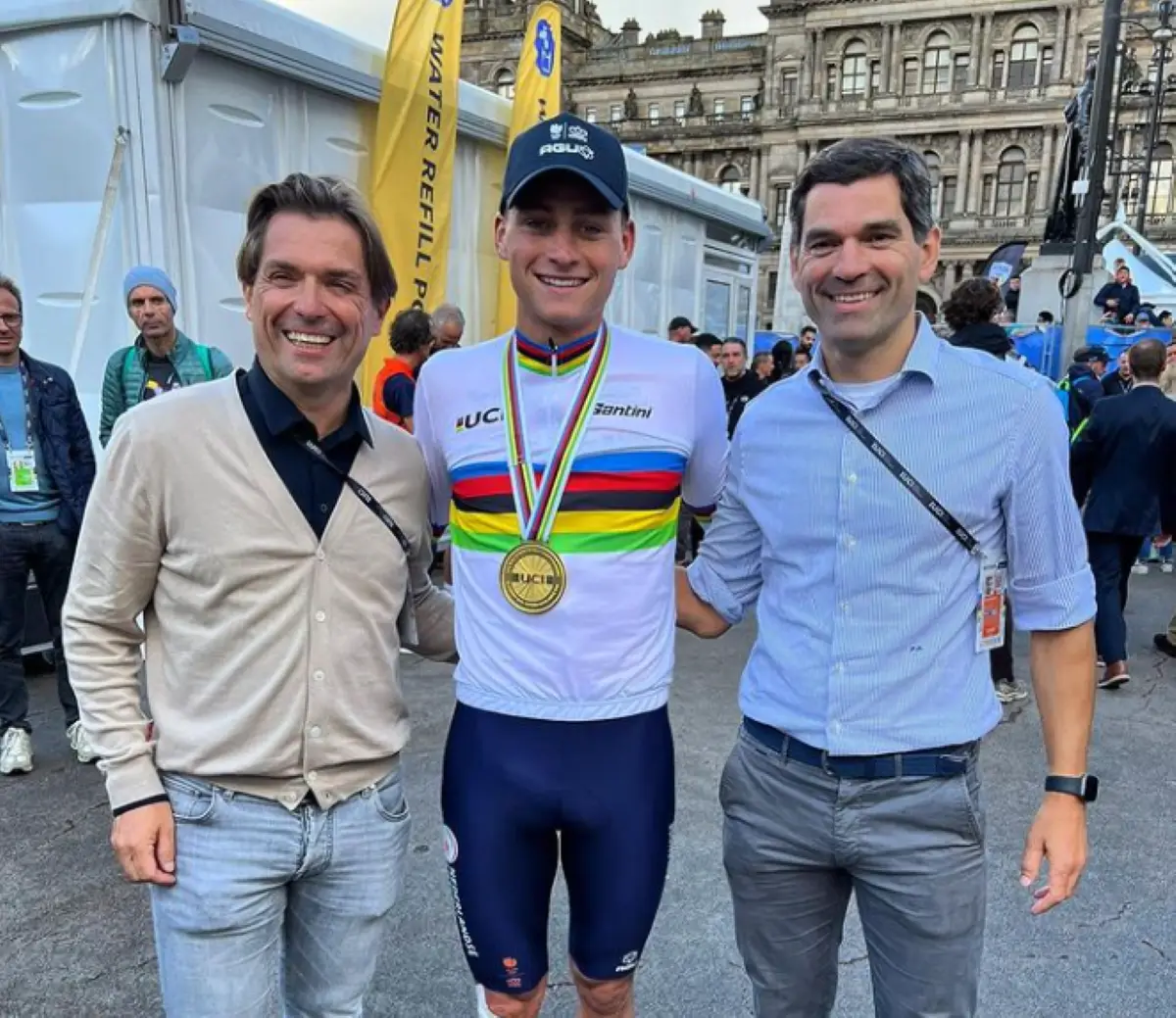
We know Hugo Houle best for his stage win at the 2022 Tour de France.
Houle thinks Van der Poel will benefit from Pogačar's absence
When asked, the Canadian shared his thoughts on Van der Poel’s chances. “I think he has a very good chance. He showed his strength in the Tour of Luxembourg with his 130-kilometer solo breakaway,” he continues. “We’ll see. It depends on how the race plays out, but he definitely has a chance, just like Wout van Aert.”
Houle points out an important fact. “I think the fact that Pogačar isn’t there increases the chances for both of them, because Pogačar’s team would have made the race as hard as possible to wear everyone down. Belgium, on the other hand, might not approach it the same way as Slovenia. I think that works in Mathieu’s favour—to have a few laps at a slightly slower pace.”
"In the end, though, it will always come down to the legs. That’s the beauty of this course: I think the strongest rider will win. Tactics play a role, but it’s so grueling that there’s a limit to what tactics can do,” Houle predicts. “The difficulty in Montreal is the accumulation and repetition of climbs.”
"First there’s Camillien-Houde, then the climb at Polytechnique, and after every turn the peloton picks up speed again. And then there’s Avenue Pagnuelo, which has been added to the course. That makes the race much more grueling compared to previous editions. It’s the accumulation, the intensity all day long, because the pace keeps picking up.”
Read more below the photo!

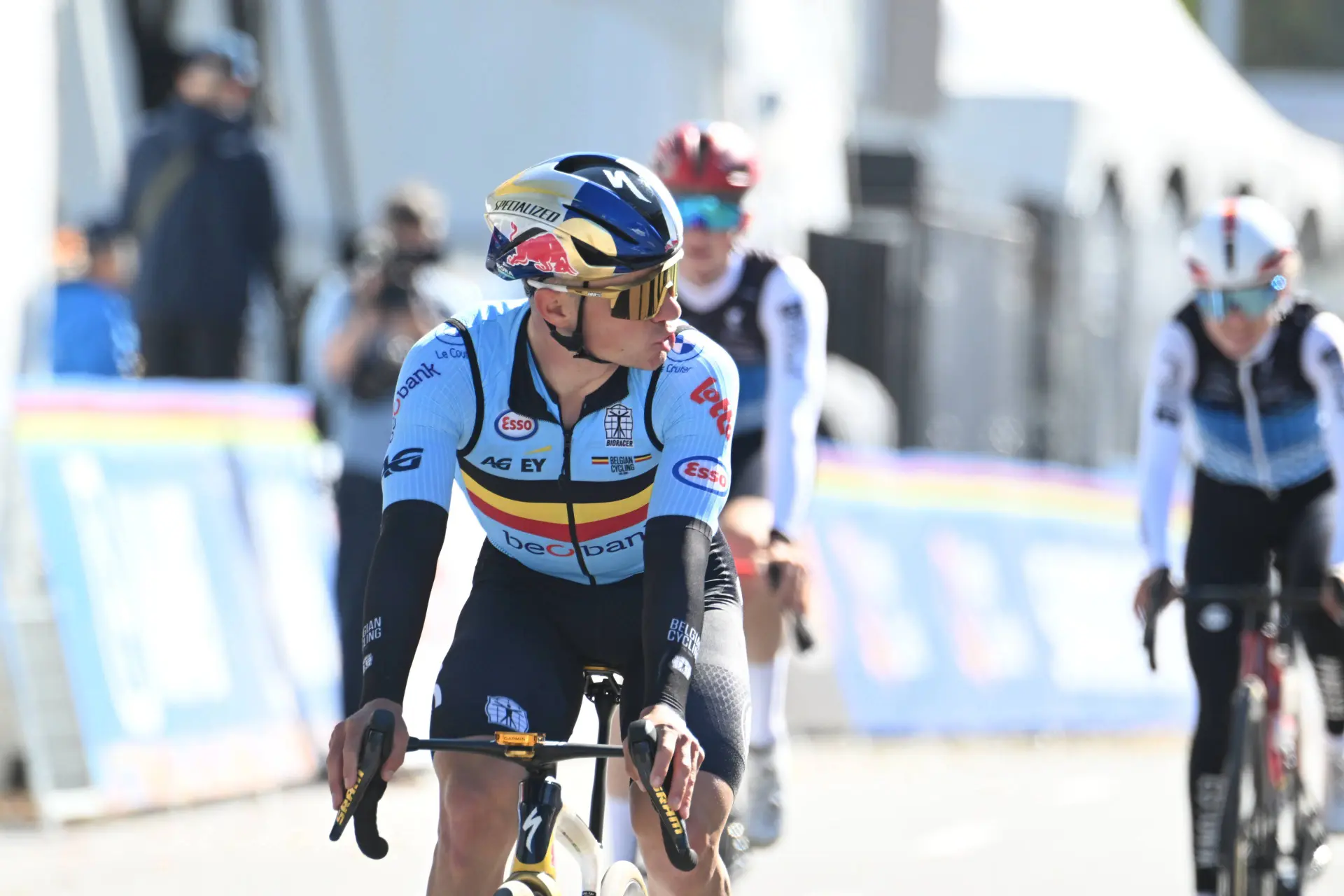
According to Houle, Van der Poel could benefit from Pogacar's absence.
Houle notices that the fences on the World Cup course are set up differently
After his reconnaissance ride on Wednesday , Houle made another observation. “One difference I noticed today, compared to other years, is that the barriers are set a bit closer together in some places—on the Camillien-Houde climb just before the summit—so that stretches the peloton out in a line. Even on the descent from Polytechnique, the barriers are closer together, which means you have to position yourself even better.”
On behalf of the Canadian team, Houle hopes above all to finish the race, as the team lost its leader, Derek Gee-West, after a crash in the Montreal Grand Prix. Michael Woods, who has returned from retirement, will be there: he finished 18th in the Montreal Grand Prix. “I don’t see one specific leader—in the sense that I think we all need to race opportunistically.”
Read more below the photo!

Hugo Houle is speaking in Montreal.
"Mike Woods is in good form, but we need to keep a close eye on how the race unfolds, because at a World Championship, the difference is sometimes that it’s less controlled than with professional teams. Things can start to heat up pretty quickly—maybe 5, 6, or 7 laps before the finish. And I think we, as Team Canada, need to anticipate that moment,” Houle analyses.
"Because if we're honest, we don't have the physical strength to compete with Mathieu van der Poel, Paul Seixas, or Del Toro in the last 3 or 4 laps. They're on a higher level than us. So we have to be smart and take advantage of a moment of anticipation. I think the race in Montreal already demonstrated that dynamic, and at the World Championships, that might be even more pronounced,” he concludes.
Read also
Tom van der Salm (27) comes from the charming town of Zeilberg (Deurne) in the Netherlands and has been working as editor-in-chief & journalist at IDL Pro Cycling's parent site, In de Leiderstrui, since 2019. He travels with the peloton from the Tour de France to the AlUla Tour and from the World Championships in Rwanda or Canada to the Zilvermeercross in Mol. In his spare time he enjoys playing football, mountain biking, running, walking with his Labrador/Stabyhoun, investing, holidays, (specialty) beers, reading, cooking and watching sports & documentaries!
Contact: [email protected]
IDL-productions
Three world titles, two heart surgeries, and one last U23 chance: the Rogers family story behind Cameron's World Championship heartbreak
Mathieu van der Poel sees '1,000 scenarios' for the World Cycling Championships road race: 'Actually reminds me a bit of Glasgow'
Here's why the 2032 World Championships were awarded to India, not the Netherlands
Who is Isabella Holmgren, the 21-year-old Canadian who is the clear favourite for the women's U23 world championship?
Australia leave team spots empty, USA riders pay $1,000 to race: the World Championships' national team model faces serious financial problems
Latest Cycling News
2026 Elite Men's World Cycling Championships Preview | Evenepoel vs Del Toro vs Seixas vs Pidcock and the rest in Montréal
Mathieu van der Poel and new World Champion Demi Vollering compared course notes at the team hotel: 'I'll ride on instinct'
No race radios, so the Belgians are pioneering a new form of communication: 'It’s not rocket science'
LIVE 2026 Men's World Cycling Championships | Girmay's breakaway gets a large gap, many nations try to control the race
Vollering didn't have time to celebrate her World Championship win and is already at home: 'We’re trying to shake it off'
Popular Cycling News
Disappointed Belgian Driesen has his doubts about the legitimacy of Barry's victory: 'They'll say I'm a sore loser'
🎥 Women's World Cycling Championships marred by severe crash, favourite Paula Blasi abandons
2026 World Cycling Championships Route & Schedule | Vollering gets her rainbow finish after thrilling race
World Champion Vollering brought back down to earth by hefty penalty from the UCI
Evenepoel makes bold prediction about one rider at the World Championships: 'He can definitely dominate everyone and everything here'
Latest Comments
- - Small detail the article missed: what about rain or sweat on the label? If the ink smears, that’s game over. Use pre-printed stickers or laminated wraps.samanthak27-09-2026
- - Great piece. Signs + bottles = redundancy. If they also use hand signals at the pit, Belgium might have the best comms of the day.cadencekingm27-09-2026
- - Pauwels joking about fake messages made me laugh. Imagine handing Remco a bottle that says “Attack now” on an odd lap and he actually goes. Qué locura, pero muy divertido, non?sprocketspiny27-09-2026
- - Feels like we’re overcomplicating. Radios make racing safer and clearer. The “boring race” argument is dated—modern Worlds are explosive anyway.gearguru3327-09-2026
- - So is the course a closed loop where they get a feed each lap? I don’t get how often riders can grab bottles at Worlds.bikebuffj27-09-2026
- - Wout saying he’s never raced this way before surprises me. Old school meets modern pro peloton. Could be the edge in a chaotic Montréal circuit.andrewf27-09-2026
- - Love the ingenuity. Remco’s right though—miss one bottle and you’ve missed a split-second call. Maybe pair the bottle with a staffer shouting codewords? “Plan B” “Green light” etc.robert6527-09-2026
- - How do they stop other teams reading the notes? If the message is on the bottle, wouldn’t everyone just see it when they pass the feed?velodromevirtuoso127-09-2026
- - Not sure this is safe tbh. That U23 bottle rolling near the cameraman proves the point. One stray bidon in a corner and you’ve got a pile-up. UCI should rethink the no-earpiece rule for Worlds.patriciaw27-09-2026
- - Clever from Belgium. Using bidons as mini whiteboards is simple and effective, especially on a circuit. If they rotate messages lap by lap, Wout and Remco can adapt quicker than teams relying only on roadside boards.lindae27-09-2026
Loading