Follow IDL Pro Cycling on Google
Stay up to date with the best cycling news by making us a preferred source on Google.
Follow us on GoogleThe 2026 road season may be over, and riders are already looking ahead to the spring classics, and beyond, but it doesn't mean we're quite ready to move on from the year we've had. Each year, the peloton seem to get better, faster, and more talented every season. But, using the data, we can deep dive to see whether they really are. How much faster was 2026, than 2025... and 1995?
ADVERTISEMENT
Read more below the photo!

Wout van Aert's Roubaix was 1.04 times faster than 2025
2026 was on average 1.02 times faster than 2025, but that's not the whole story
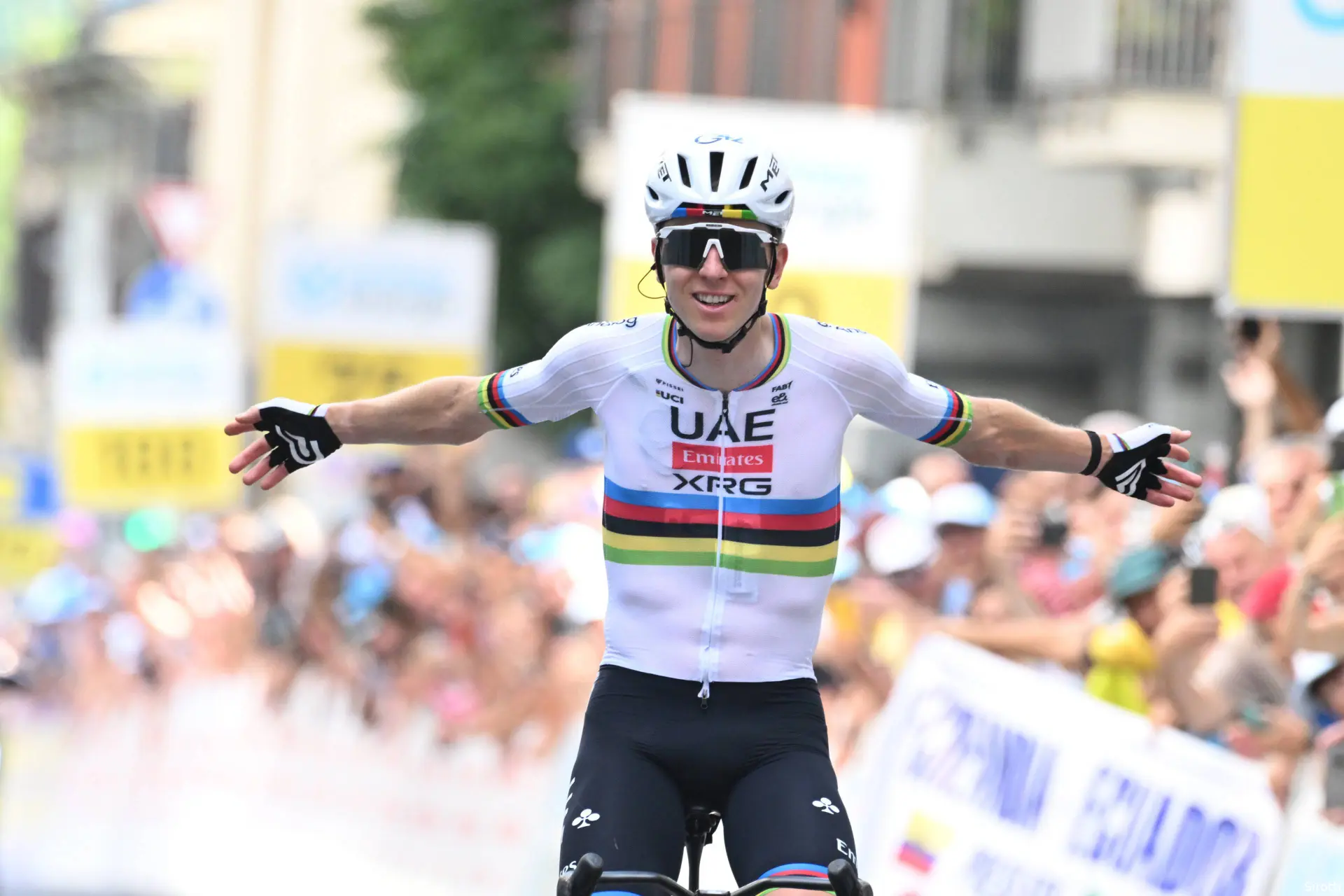
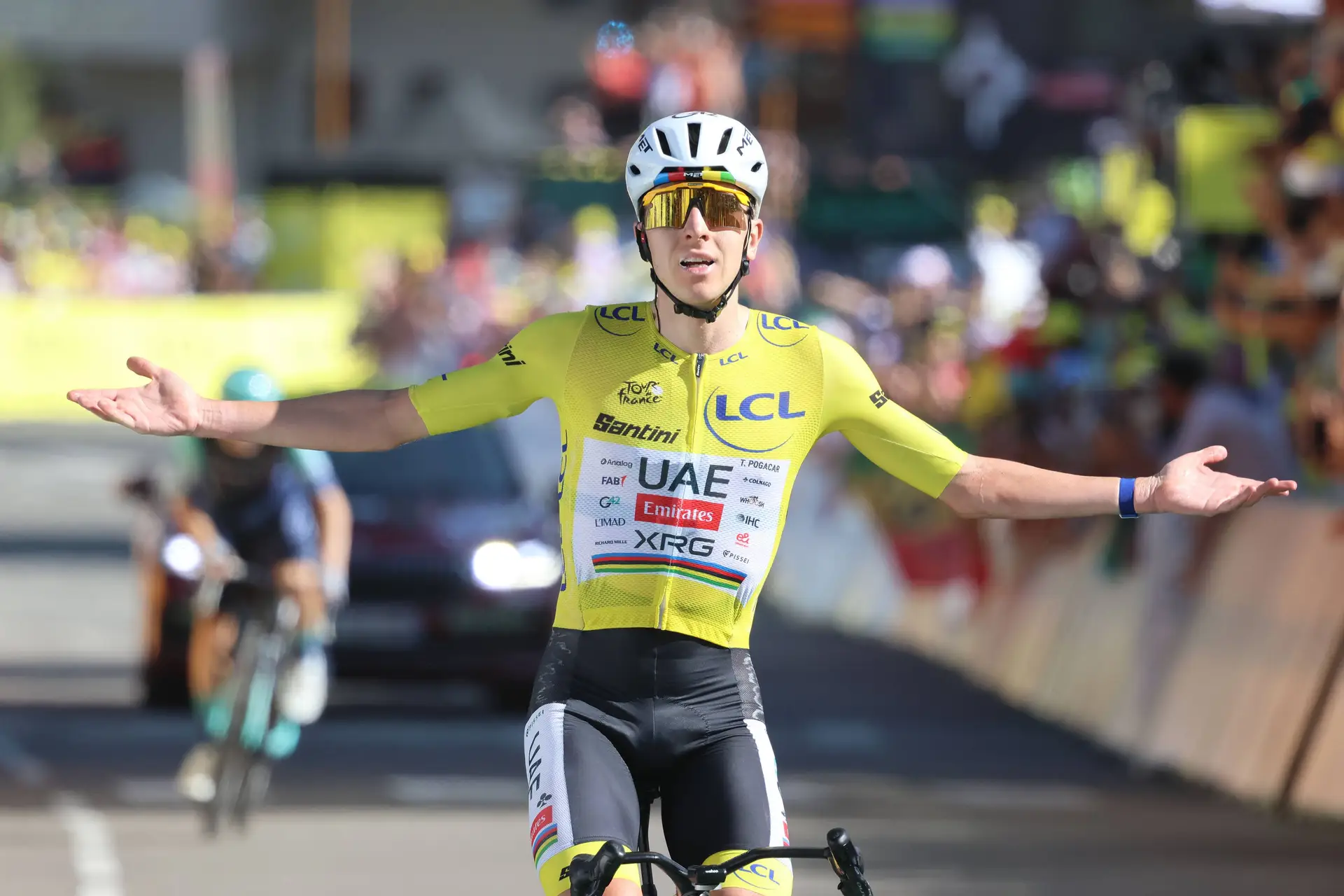
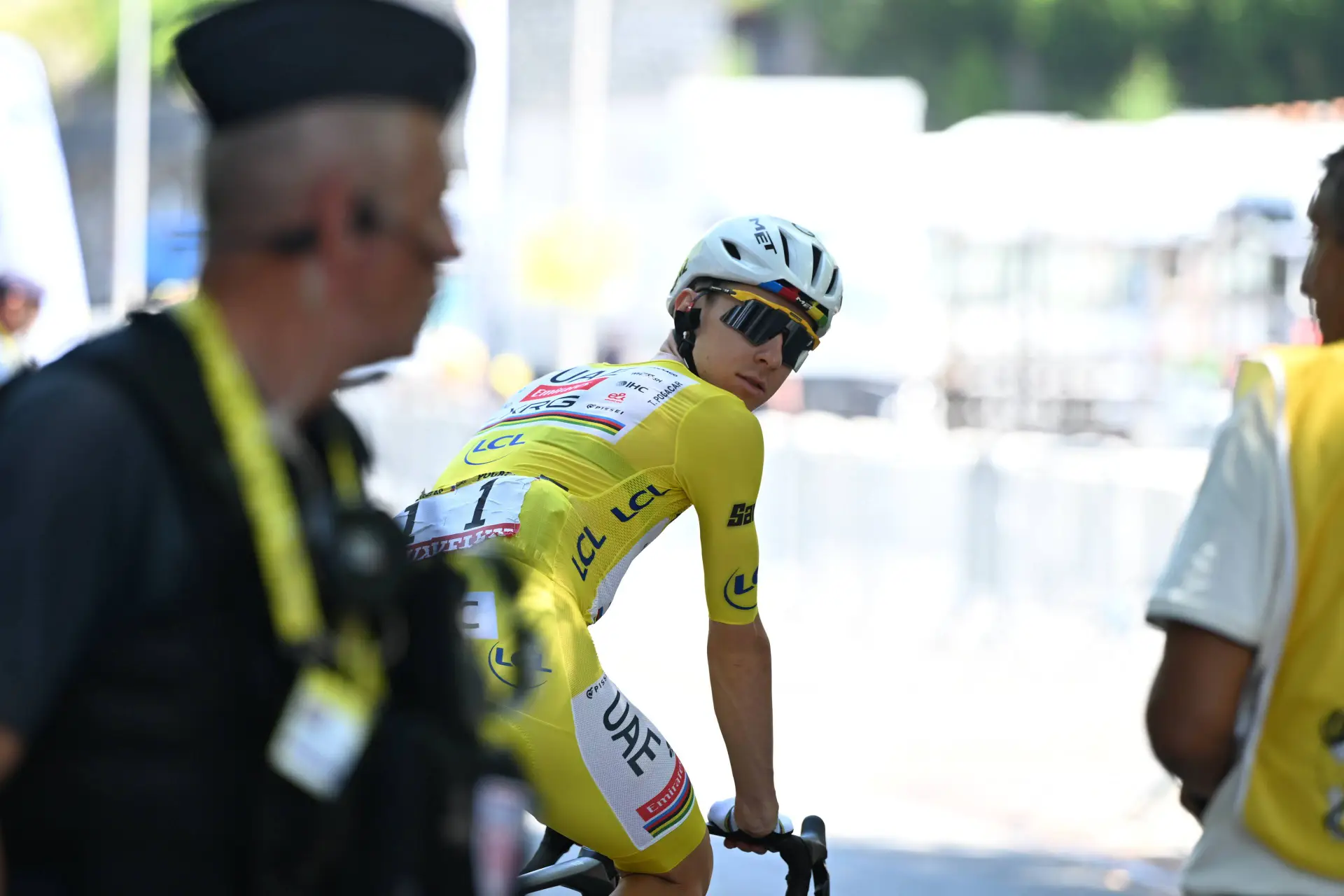
Looking at average speed data from the three Grand Tours, and five Monuments, 2026 trended faster than 2025 in almost every race. Tadej Pogačar topped his own speed from 2025 in the Tour de France, with the race averaging ~43.33 km/h compared to 2025's ~42.85.
Read also
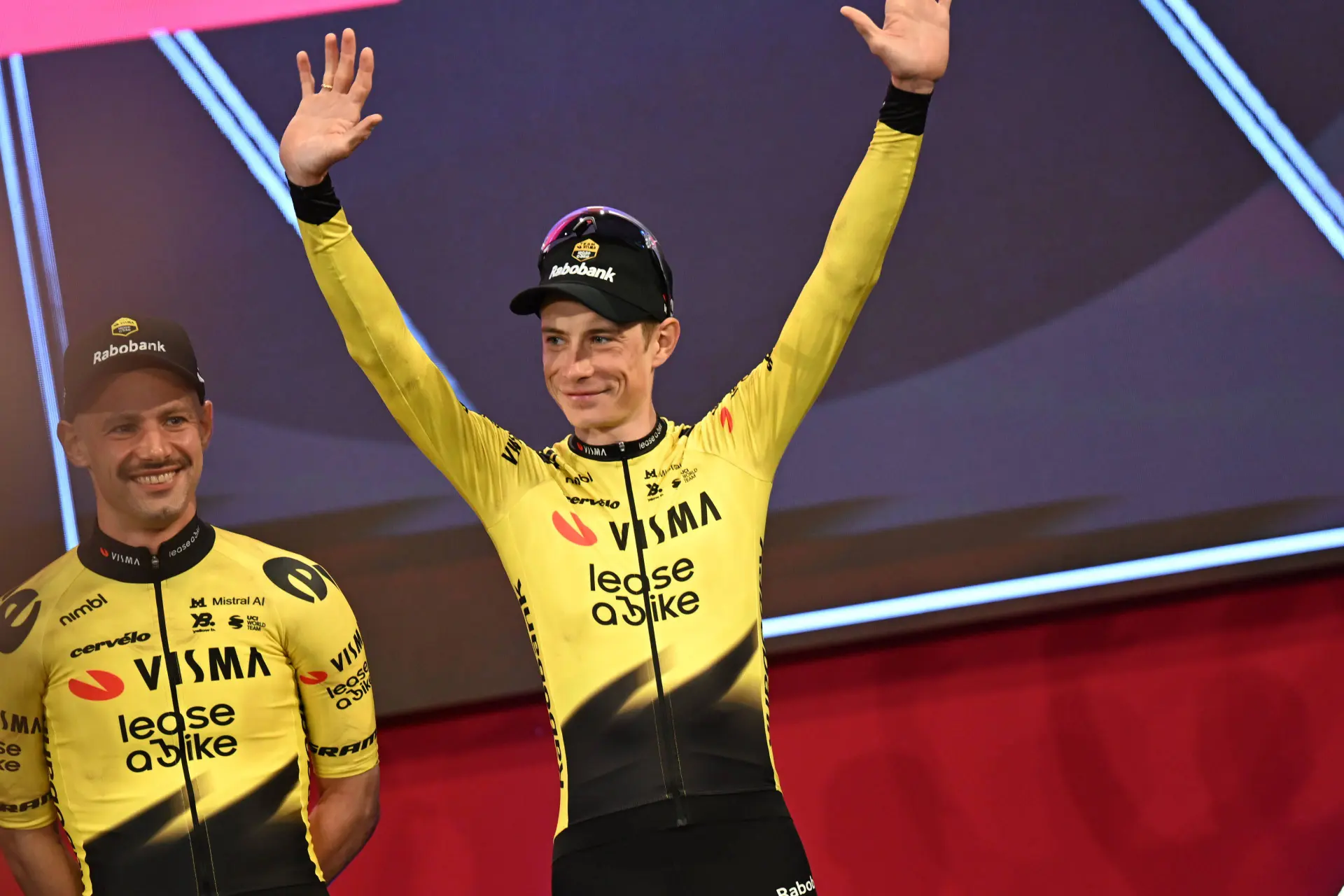
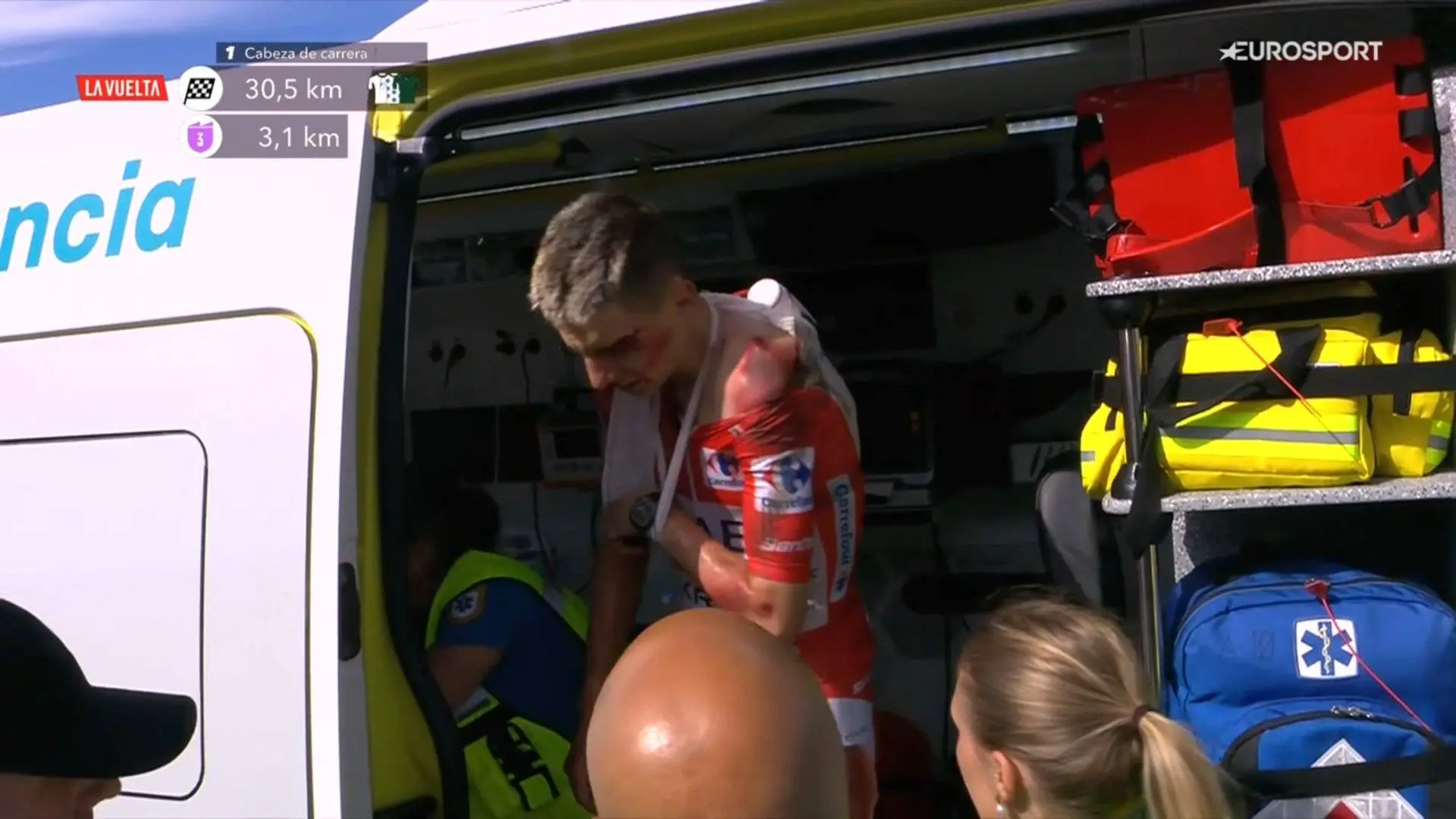
It was the Vuelta that had the biggest difference in the grand tours, with Enric Mas' race averaging 1.06 times faster than Jonas Vingegaard's in 2025. The Giro and the Tour increased by the same amount, both races were 1.01 times faster than their 2025 editions.
Read more below the photo!

Mas won the Vuelta, which went quicker than in 2025 by around 1.01
However, the trend was not universal, with some 2026 Monuments averaging slower in 2026, than 2025. Only two of the five hallowed races averaged faster, with the biggest increase coming at Liège-Bastogne-Liège, where Pogačar broke his own record to set the fastest average speed ever at the race.
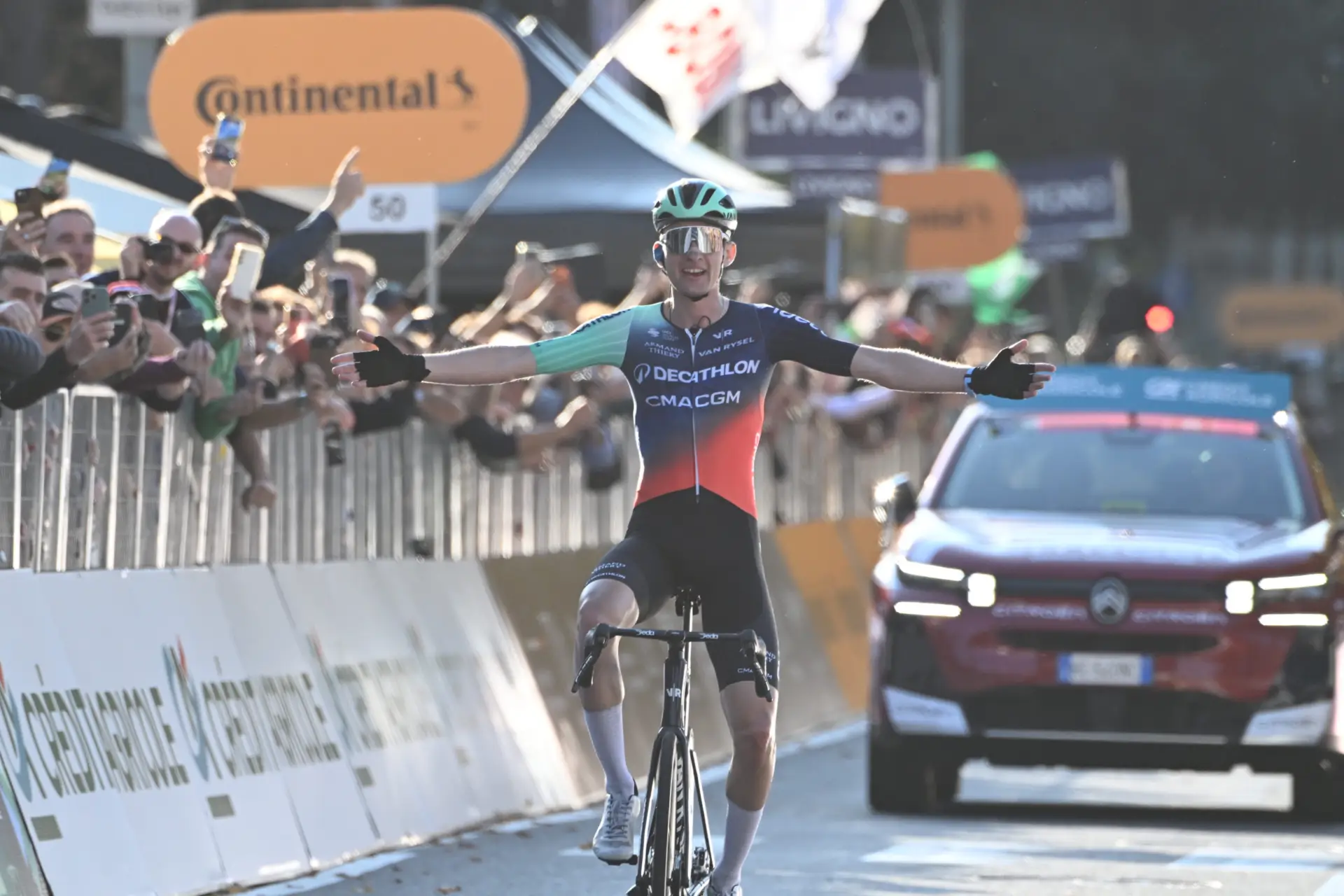
Pogačar's absence may have been felt at Il Lombardia, but the average speed hardly reflects it. Whilst the autumn monument did average slower in 2026, the difference was negligible. In 2025, the average speed at the race of the falling leaves was ~41.81 km/h, and in 2026 it was 41.03.
Wout van Aert's triumphant Paris-Roubaix was one of the two monuments which trended faster, the Belgian's race was at an average speed of ~48.91 km/h. A year earlier, Mathieu van der Poel won the race in an average speed of 46.92.
Milano-Sanremo and Tour of Flanders were slower than in 2025, but the difference was again negligible. Both races went around 0.99 times slower, with the differences in average speed being a matter of tenths.
Here is all the data:
| Race | 2025 average (KM/H) | 2026 average (KM/H) | Which trended faster? | 1995 average (KM/H) |
| Giro d'Italia🇮🇹 | 41.128 | 41.58 | 2026 | 38.2 |
| Tour de France 🇫🇷 | 42.849 | 43.326- Pogačar | 2026 | 39.193 |
| Vuelta a España 🇪🇸 | 42.645 | 45.234 | 2026 | 38.08 |
| Milano-Sanremo 🍃 | 45.288 | 45.172 | 2025 | 43.52 |
| Tour of Flanders 🇧🇪 | 44.981 | 44.481 | 2025 | 39.506 |
| Paris-Roubaix 🪨 | 46.921 | 48.91 | 2026 | 41.303 |
| Liège-Bastogne-Liège 📜 | 41.983 | 44.426 | 2026 | 39.38 |
| Il Lombardia🍂 | 41.806 | 41.033 | 2025 | 43.32 (Faresin) |
The difference in Grand Tours in just over 30 years is staggering
So, whilst five out of eight of the major races averaged faster, across the board no difference was huge. Even the races with the biggest increases in speed were barley more than 1 times faster than 2025.
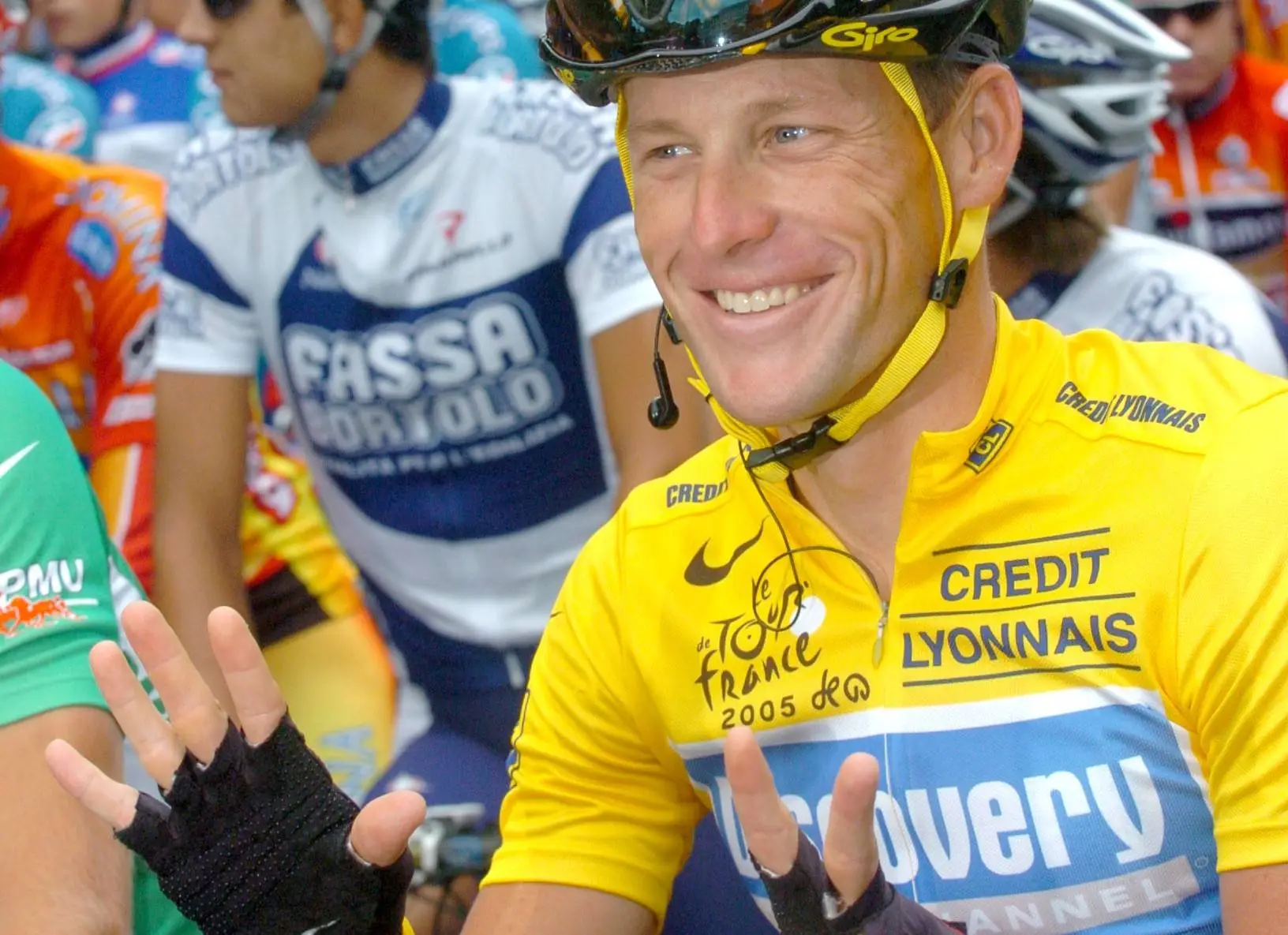
However, looking at data from 1995, the differences are staggering. In 1995, the Spanish great Miguel Induráin won his fifth and final Tour de France- one of the most dominant cyclists of a generation. He did so in a race that averaged just over 39 km/h. Pogačar won his fifth title in 2026, in a race that went nearly 1.2 times quicker.
Read more below the photo!
The 2026 Tour de France went nearly 1.2 times quicker than in 1995
The slowest race of the bunch in 1995 was the Giro, won by Swiss rider Tony Rominger, with an average speed of just over 38 km/h. Vingegaard was just 1.08 times quicker in 2026, riding on average just over 41.5 km/h.
An exception proves a rule?
There is one race in 1995 that averaged faster than the races in both 2025, and 2026. Given the improvements made in aerodynamics, bike weight ratios, fuelling, training, and almost everything that goes into racing, it seems surprising. However, Gianni Faresin's 1995 victory was the fastest edition of Lombardy ever raced, with an average speed of ~43.32 km/h.
Read more below the photo!

Seixas still broke some records, despite going slower than 2025, and 1995
Faresin never had any doping allegations levelled at him, and the record is recognised as official.
However, some things remain true to form, as winner Paul Seixas did break some speed records in the race of the falling leaves. The young Frenchman set the record up the Civiglio climb in 11:54 during the 2026 edition.
📹 Read more below the video!
Video from Eurosport coverage of the 1995 Tour of Lombardy
How much faster will 2027 be?
If these trends are to be taken to be exponential, the Tour de France 2056 will average close to 48 km/h. Whilst this is mathematically ridiculous, it asks the question: how much faster will the bunch get?
The 2027 Tour de France features a lot of flat time trial kilometres, and not much high alpine terrain. Almost certainly, this will contribute to a faster overall average time, but just how much faster could it be? In a world of marginal gains, the increases [and decreases] each year are creeping, and small. But there's no way to know for certain how far these marginal gains will take average speeds in the future.
Read also

Clarice WebsterEditor
Clarice has been following cycling her whole life, wroting about Thibaut Pinot (among others) for her university magazine while earning her masters in Journalism. She is passionate about furthering equality in sports coverage, and has taken huge inspiration from pillars of women’s cycling like Beryl Burton, Marianne Vos, and Laura Kenny.
IDL-productions
Team GB dominate, China on the rise, Lavreysen the best ever? Five takeaways from the 2026 Track World Championships
Track World Championships day 2: A golden day for Team GB, Levreysen goes 2 for 2, and Kopecky eliminates the competition
Rumours, speculation and guesswork: 2027 Tour de France route will be revealed live on October 22 in Paris
Vollering adds the Women’s European Championships road race jersey to her rainbow wardrobe
16-day Grand Tours, AI, VAR, drones and more: The UCI's new document has a potentially major impact from 2029 onwards
Latest Cycling News
2026 X2O Koppenbergcross Start list | Fem van Empel a question mark, Thibau Nys confirmed
French Paralympic Champion suspended following positive EPO test
Unibet Rose Rockets face yet another rival for a spot in the 2027 Tour de France
Koppenbergcross 2026 preview | First X2O Trophy cyclocross celebrates the comeback of Thibau Nys
Giulio Pellizzari turned down a team leader offer XDS Astana to stay at Red Bull
Popular Cycling News
Skjelmose angry with developments at Lidl-Trek: 'That doesn’t sit well'
Esmée Peperkamp, the anonymous female cyclist who made Picnic PostNL allegations, speaks out publicly

Rasmussen thinks ASO is giving Vingegaard a harsh reality check with 2027 Tour de France: 'No longer Pogacar’s main challenger'
Jonas Vingegaard shows Tadej Pogačar how to cycle safely on a recent training ride
French Paralympic Champion suspended following positive EPO test
Latest Comments
- The team says it wants answers “as quickly as possible”, but speed shouldn’t come at the expense of a thorough investigation. Since Picnic PostNL commissioned it, will the full report be published? The team’s transparency will matter as much as who leads the inquiry.cyclechamp4530-10-2026
- How can current riders give evidence without their comments being traced back to them? That seems especially important in a case about fear.raceready730-10-2026
- Olfers’ experience with the Rasmussen case is relevant: that inquiry also scrutinised the team’s decisions, not just the rider’s. Let’s hope this one looks closely at management and working conditions too.patriciaw30-10-2026
- An independent investigation is the right step, but it needs to be genuinely independent in practice. With 71 people already speaking to NOS and Thijs Zonneveld, Verinorm has a substantial starting point. I hope people can give evidence confidentially and the findings are made public.breakawaybikerd30-10-2026
- - I’m still figuring out the race categories: would a2 event like Battenkill attract the same teams and TV coverage as a WorldTour race?jennifer1929-10-2026
- - Seeing McNulty, Simmons and Jorgenson race on home roads would be a real boost. Hope this becomes more than just talk.raceready729-10-2026
- - Putt is right that a major race could bring cycling to people who don’t follow the sport yet. But the old Tour of California ran into financial trouble—what would make a revival sustainable this time?pedalpowe2929-10-2026
- - A Tour of California comeback would be brilliant. Pogacar winning the last edition seems a long time ago now!davidm29-10-2026
- Did I read this right: he won stages at the Tour, but also had to do the whole race on his own? How does one rider manage all those wins in a season?raceready728-10-2026
- Five Tour de France stages and the overall win? Pogačar’s level is just ridiculous.cadencekingm28-10-2026
Loading