Despite losing the World Championships, Del Toro and Seixas rank high mentally and physically on the Pogačar scale
CyclingTuesday, 29 September 2026 at 16:17
Follow IDL Pro Cycling on Google
Stay up to date with the best cycling news by making us a preferred source on Google.
Follow us on GoogleFive names were mentioned as favorites heading into the World Championships, but in the end, Brandon McNulty walked away with the world title. The World Championships in Montreal offered everything cycling has to offer—especially cycling without Tadej Pogačar. Although two young riders thought they could capitalise on the Slovenian’s absence, it turned out to be too much to ask. That’s not surprising, though, when we compare Isaac del Toro and Paul Seixas to Pogačar’s track record.
ADVERTISEMENT
Del Toro and Seixas are undoubtedly two of the biggest sensations of 2026, thanks to the remarkable strides they’ve both made in their development. Del Toro came off a year with UAE Emirates-XRG, during which he surprisingly finished second in the Giro d’Italia and, in the second half of the season, racked up 18 wins in (with all due respect) second-tier races in 2025.
Del Toro and Seixas earned their World Championship favourites status
In 2026, Del Toro proved capable of making the leap to winning the biggest WorldTour races—for an entire year. He won stages and the overall classification in the UAE Tour, Tirreno-Adriatico, Tour Auvergne-Rhône-Alpes, and Lidl Deutschland Tour, and in his Tour de France debut, he immediately won a stage, claimed the young rider’s jersey, and finished third in the general classification.
Surely the 22-year-old Mexican must have reached his limit at some point? No. He used the Deutschland Tour to prepare for the World Championships series. First, he won the GP Montréal, and then, as part of his preparation, he casually finished sixth at the World Championships time trial—even though he’s not a specialist in that discipline. Del Toro thus rightfully earned favourite status for the World Championships.
Read more below the photo

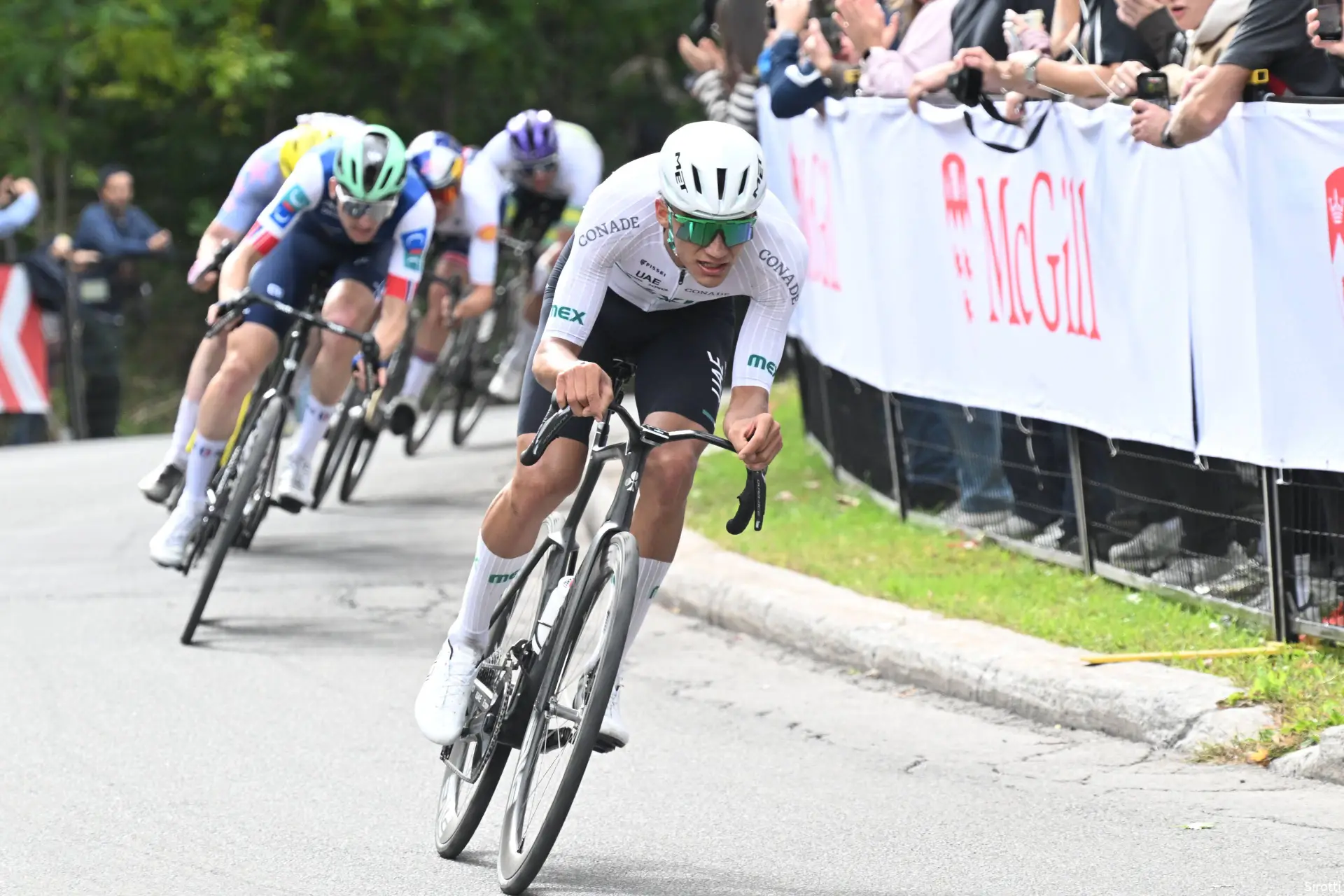
Isaac del Toro
Seixas is just as impressive as Del Toro
Seixas won fewer races than Del Toro in 2026 and finished one spot lower in the Tour de France, but the Frenchman from Decathlon CMA CGM made just as big an impression, as evidenced by the fact that he was not 22 but only 19 years old in 2026. In his second season as a pro, he won a stage in the Algarve, the Faun-Ardèche Classic, the Tour of the Basque Country, and the Flèche Wallonne.
But above all, the fact that he was Pogacar’s last challenger in many races spoke volumes about his incredible potential. Seixas finished second in Strade Bianche and Liège–Bastogne–Liège, never faltered in the Tour, and even placed third in the World Time Trial Championships. He achieved things that Del Toro hadn’t necessarily demonstrated in his second year as a pro—and perhaps even more importantly, neither had Pogacar.
Read more below the photo

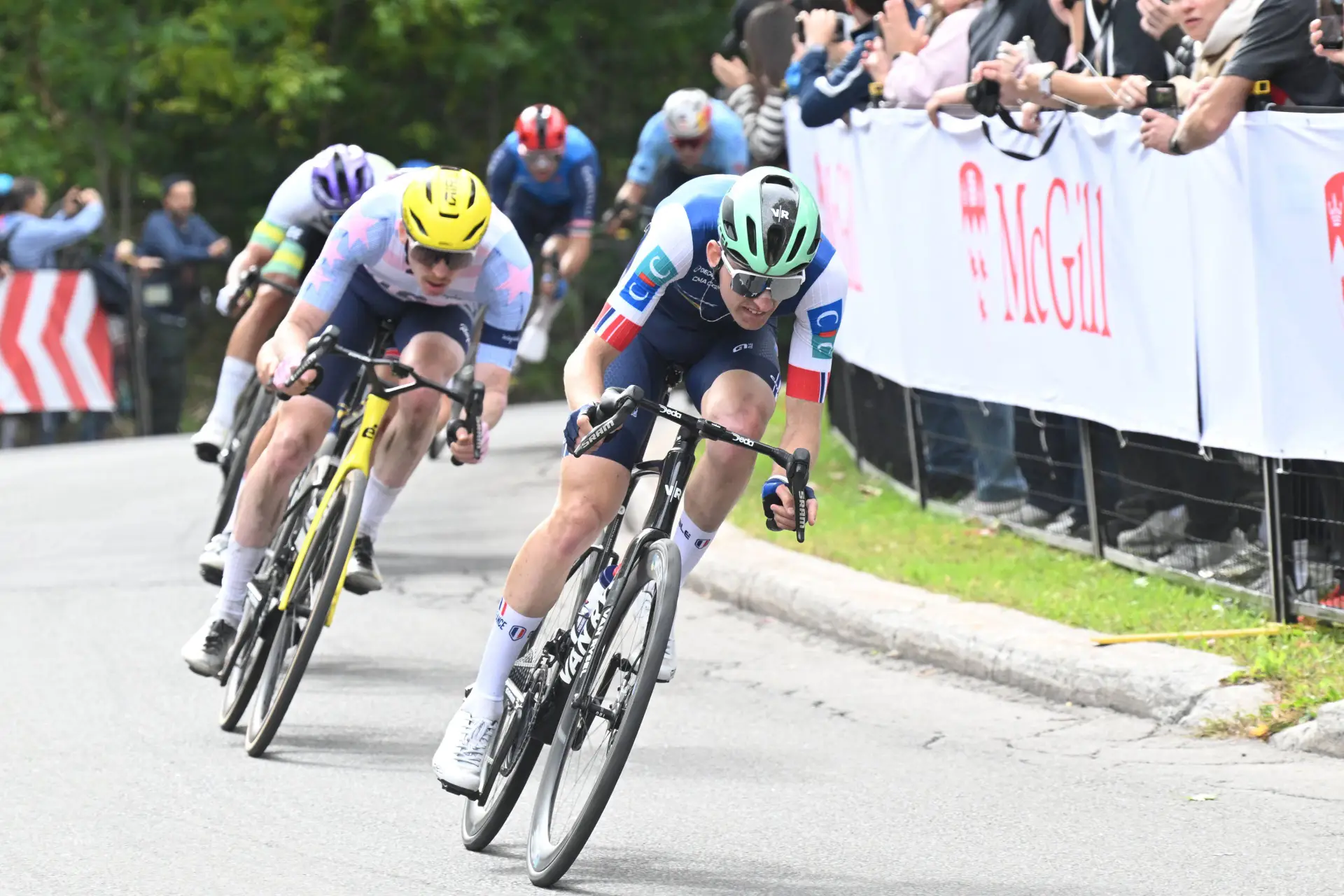
Paul Seixas
Del Toro and Seixas Are mentally unbreakable
If the statistics, results, and racing style in 2025 and 2026 tell us anything about Del Toro and Seixas, it’s that they’re cut from the right cloth mentally. Just like Pogacar in his early twenties, the two never let their heads drop during tough moments. Seixas powered on solo in Strade Bianche and Liège, even though he could have dropped back into a chasing group.
By 2025, Del Toro was already facing what was perhaps his toughest challenge yet, after losing the Giro d'Italia due to a tactical decision made by his team and himself. Most riders would have hit rock bottom after something like that, but a month and a half later, Del Toro was at the start of the Tour of Austria, won three stages and the overall classification, and never stopped winning.
The World Championships also showcased the mental strength of Del Toro and Seixas. It started with the fact that they both put their teammates in the lead during the chase; after that, it was almost entirely up to Del Toro to close the gaps, while Seixas had the composure to finish off what others had left behind when the final seemed to be slipping through his fingers.
When Seixas got a cramp in the final, he kept riding and finished fifteenth. “I’m disappointed in myself, but it’s what I deserve,” he told himself bluntly. “My teammates did a fantastic job. They don’t deserve a leader like me.” Del Toro was also far from satisfied: “For me, nothing else mattered but the rainbow jersey,” he said after finishing fifth.
Read more below the photo

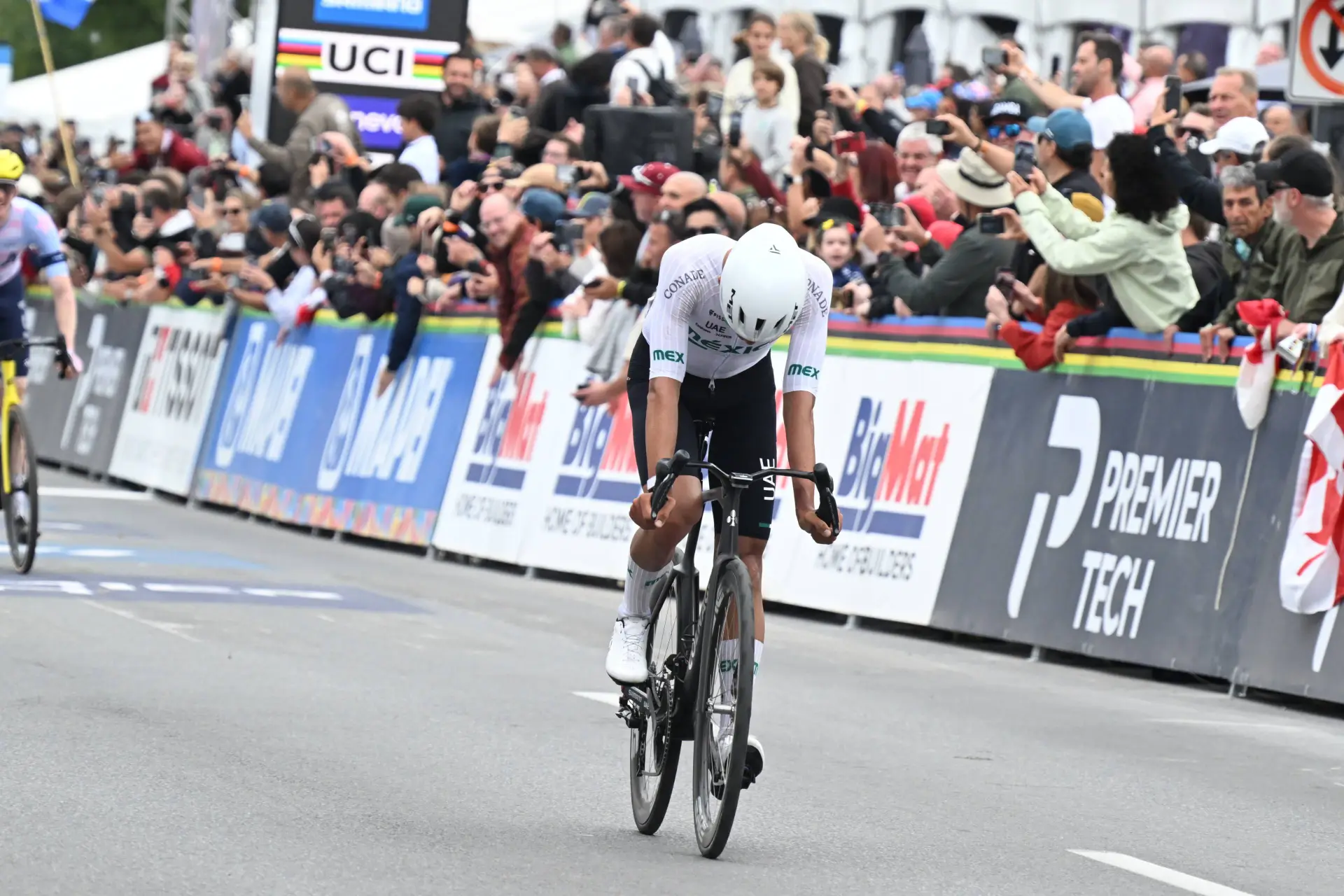
Del Toro crossed the finish line looking disappointed.
Del Toro and Seixas are just as strong physically and mentally as the young Pogačar
In 2026, the sport of cycling is different from what it was when Pogacar broke through in 2019. The Slovenian reportedly won the Tour de France in 2020 while still eating pizza and drinking beer along the way—something that would be unthinkable today. However, cycling has also become a lot more demanding these days, so we can still say that Del Toro and Seixas rank high on the Pogačar scale.
In stage races, Pogacar was already incredibly strong in his first two seasons (when he was 20 and 21 years old), but no more dominant than his young successors today. In one-day races, Pogacar “only” began winning major classics in his third year (2021). However, in his first four World Championships, he had not yet played a significant role, unlike Del Toro and Seixas. Del Toro even finished seventh last year.
Pogacar also had a tendency to let his head drop at times when victory was no longer within reach during his early years. Del Toro and Seixas kept riding at the World Championships, with the Frenchman even pushing through cramps. Mentally, Del Toro had a tough time of it, with his UAE teammate McNulty out in front, which meant he was never really allowed to ride in the final 30 kilometers.
Read also
Read more below the photo

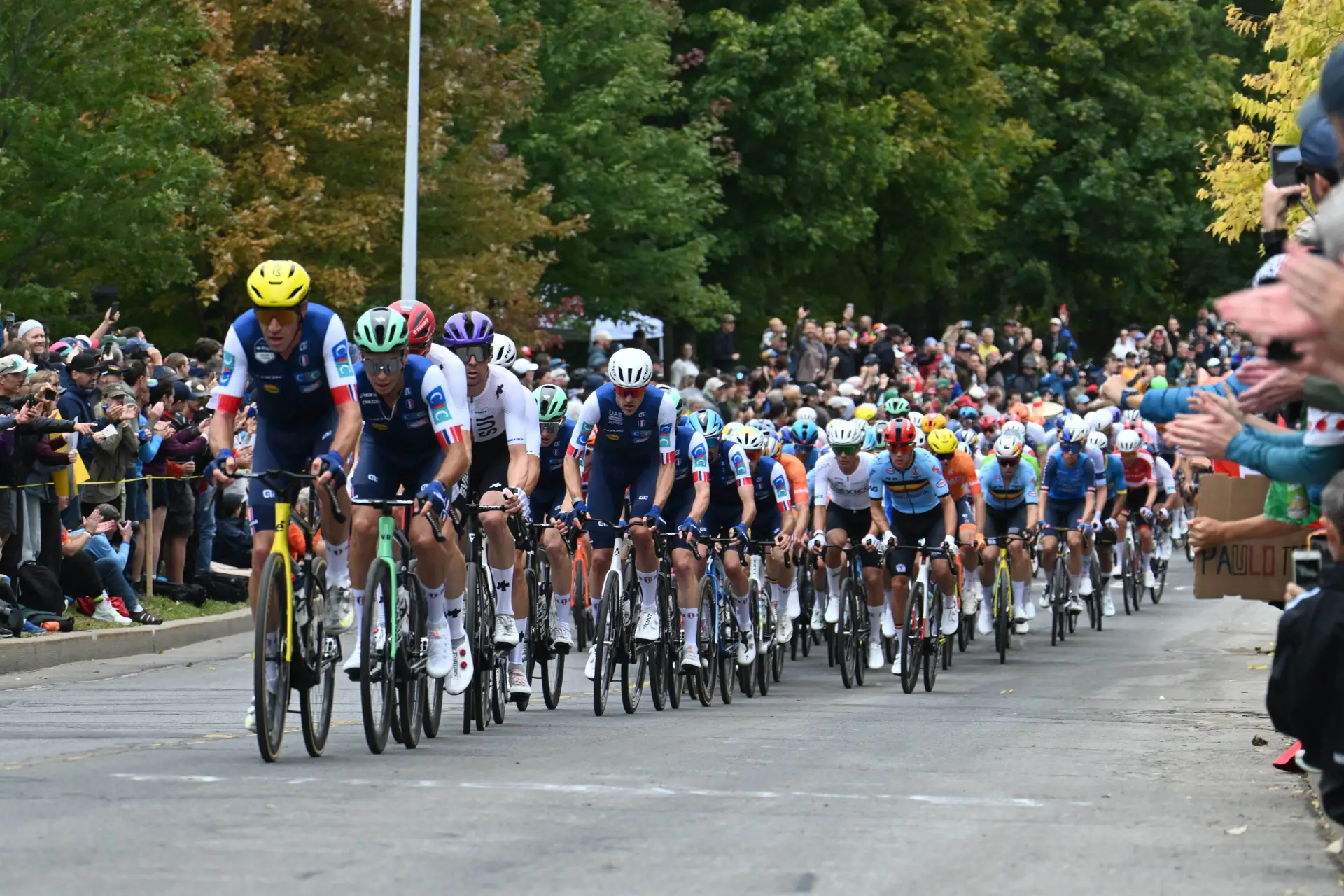
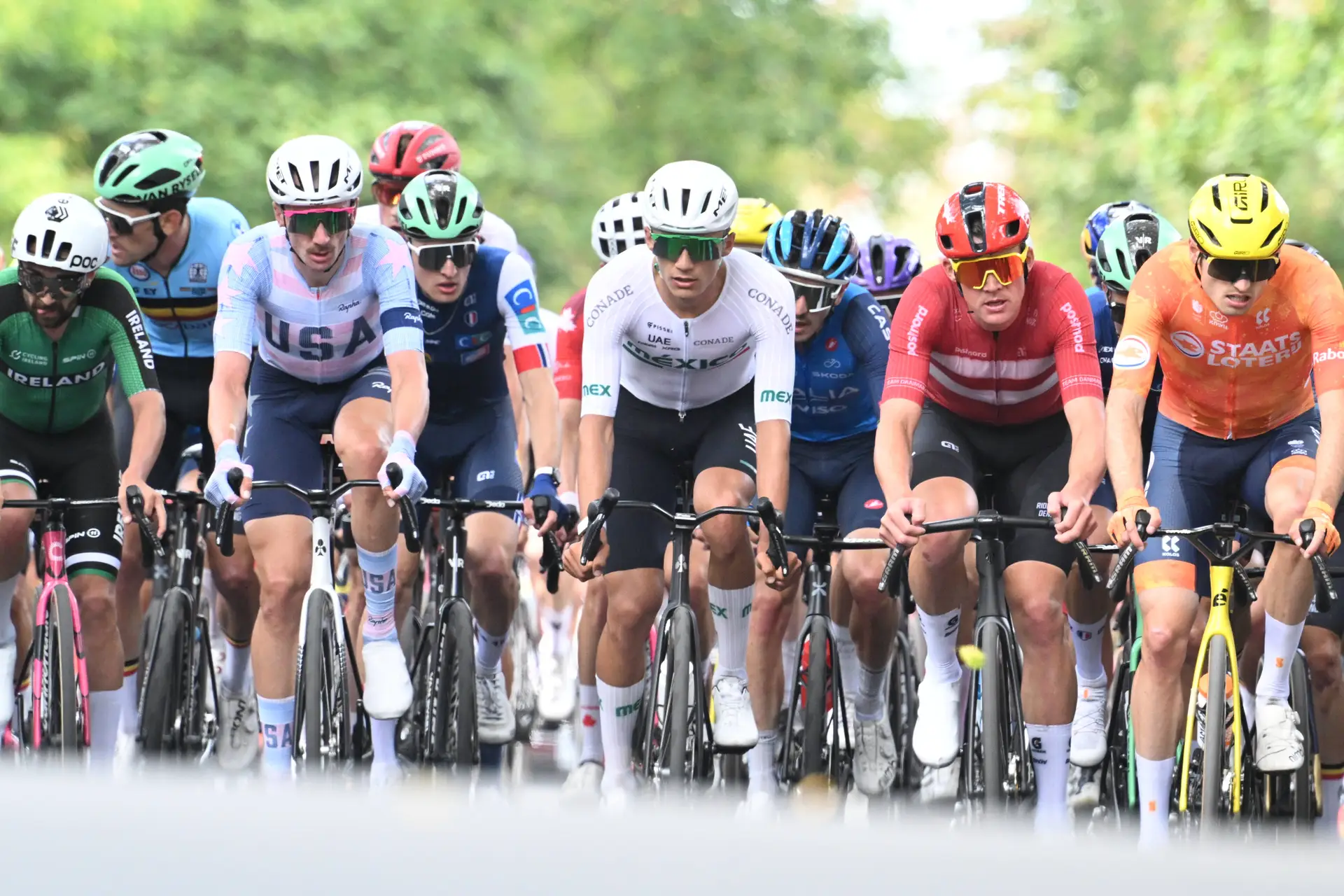
Seixas got a cramp, but kept riding and finished in 15th place.
Del Toro and Seixas are terrifyingly good
In short: the general public may have already been expecting a world title from the two great stage racers of the coming years, and the comments made by Del Toro and Seixas afterward showed that they, too, were already ready for the rainbow jersey. The reality was that they didn’t yet have the legs to break away solo in the final stages à la Pogacar and turn the World Championships into a one-man show, as it ultimately unfolded.
And although they would have expected that of themselves, the Pogacar timeline shows that such performances at that age might still be a bit too ambitious—and were. Even for the rider who now calls the shots and is considered the greatest rider of all time. At his first World Championships, Pogacar would have gladly traded places with Del Toro and Seixas, who had such strong legs in Montréal.
The two just kept going, especially Del Toro, who must have accelerated at least 20 times. Seixas responded to everything, after he and his teammate Bruno Armirail had already broken away from the peloton. So, a disappointing World Championship? The fact that , after Sunday , Del Toro and Seixas are at least on par with Pogi’s career and performance trajectory is , ultimately , a particularly frightening conclusion.
Read also
Bram van der PloegEditor-in-chief
Bram van der Ploeg (35) is the proud founder of In de Leiderstrui, IDL Pro Cycling's parent site, launched in 2018. Finally, he could create stories about the sport he had followed since childhood. He is the editor-in-chief on paper, but prefers to be with his recorder next to a rider, a team bus, or in the mud at a cyclocross race. Every year, from February to the end of May, Bram follows the entire Italian cycling season, from the Trofeo Laigueglia to the Giro d'Italia, with the grand finale in October in Lombardy. During that time, he lives in Tuscany, where he has since come to call Italy his 'home'.
IDL-productions
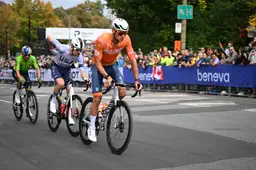
Van der Poel loves it, but a lack of race radios gave McNulty and USA the chaos it needed to slip away
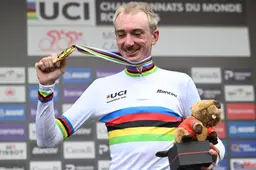
Pogačar hails the 'King of Montréal', but McNulty already has a plan for 2027: 'Maybe Tadej will have to ride for me'
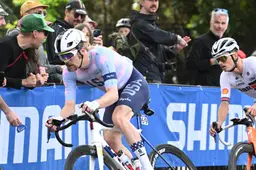
Quinn Simmons' Strava shows exactly what it takes to compete at the World Championships: ‘I said, Hey guys, anything is possible'
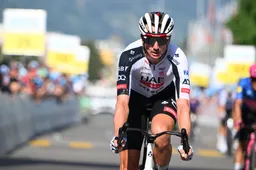
An American rider can win the Elite Men’s World Championship road race, but the smart money isn’t on Quinn Simmons!
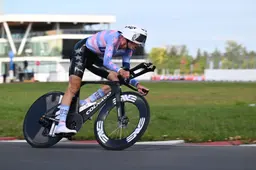
McNulty fell 12 seconds short of a World TT medal but sees a road race opportunity: 'We have our work cut out'
Latest Cycling News
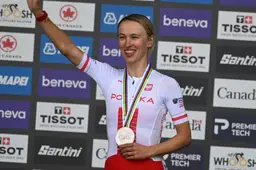
A few days after winning silver at the World Cycling Championships, Kasia Niewiadoma makes a major transfer
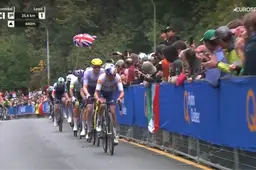
Analysis: Van der Poel, Del Toro, Jorgenson, and Pidcock star in the 22.2 kilometers that decided the World Championships
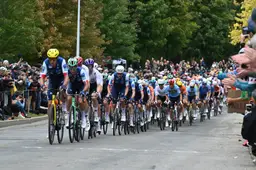
The huge numbers behind Bruno Armirail's 1-hour 32-minute World Championship demolition job
Jordi Meeus is leaving Red Bull to become a lead-out rider for Jonathan Milan
Lance Armstrong slams UAE team manager's behaviour following Brandon McNulty's Worlds win: 'Give me a break, honestly!'
Popular Cycling News
Brandon McNulty could be the winning difference for Pogačar at the 2026 Tour de France: 'I'm back in shape'
Brandon McNulty wins the men's World Championship road race as USA rides the perfect race
Pidcock accuses Del Toro of helping UAE teammate McNulty to the rainbow jersey: 'Obviously working for McNulty in the end'
2026 World Cycling Championships Route & Schedule | McNulty closes the show with a dominant USA performance
World Champion Vollering brought back down to earth by hefty penalty from the UCI
Latest Comments
- - Grande análisis pero una duda: por qué dicen que “nadie del Vuelta en top 13” si Ayuso fue 13º? ¿Cuenta o no? Also, was Carapaz really ill or just saving bullets for Euros?patriciaw29-09-2026
- - The podcast nailed it: Vuelta fries you, especially crossing continents. Still, Wout cracking when it mattered was a surprise. He’d looked invincible—maybe over-raced? Organisers shifting Worlds back to August makes sense to me.tourdeforce929-09-2026
- - Valverde’s comments were telling. If Mas truly hadn’t recovered, why name him co-leader? Spain’s tactic looked muddled once Enric climbed off 105 km out. Poor support for Ayuso once it split, no?cadencekingm29-09-2026
- - Wait, I’m confused—if Van der Poel flew in last minute, how did he still get in that move with Roglic? Isn’t jet lag supposed to ruin your legs? Does he just handle travel better than others?raceready729-09-2026
- - Fascinating how the Montreal course + jet lag flipped the script. You could see the North America-acclimated guys had snap, while the Vuelta legs looked cooked. Ayuso hanging on for 13th felt like a minor win given how “empty” he said he was.pedalpowe2929-09-2026
- - Great write-up but a tad harsh on Del Toro. He’d been drilling it for 50k, of course he faded. Also, Belgium moaning after Wellens sat out for “loyalties” is a bit rich, no? Sport’s messy. C’est la vie, así es el ciclismo.pedalpowe2929-09-2026
- - I’m with Matthews and a bit with Pidders here—Del Toro shutting down the Ciccone/Pidcock bridge when the gap was ~10s looked sus. Even if he was cooked, why close your own chance? Smells off.jennifer1929-09-2026
- - Can someone explain why riders from the same trade team would help each other at Worlds when they’re on different national teams? Is that actually allowed or just kind of… unspoken?tourdeforce929-09-2026
- - That move from McNulty was textbook GP Montréal stuff: late, from a few wheels back, into the motorbike draft zone, and everyone looking at each other. Perfect timing, no need for conspiracies.cadencekingm29-09-2026
- Brilliant from McNulty, deserved the arcoíris. Matthews gracious in public but clearly frustrated—understandable. Worlds always blurs lines with trade teammates; c’est la vie of modern cycling.sprocketspiny29-09-2026
Loading