Lance Armstrong says he was one of the first victims of cancel culture: ‘Yesterday a hero, today a zero’
Cycling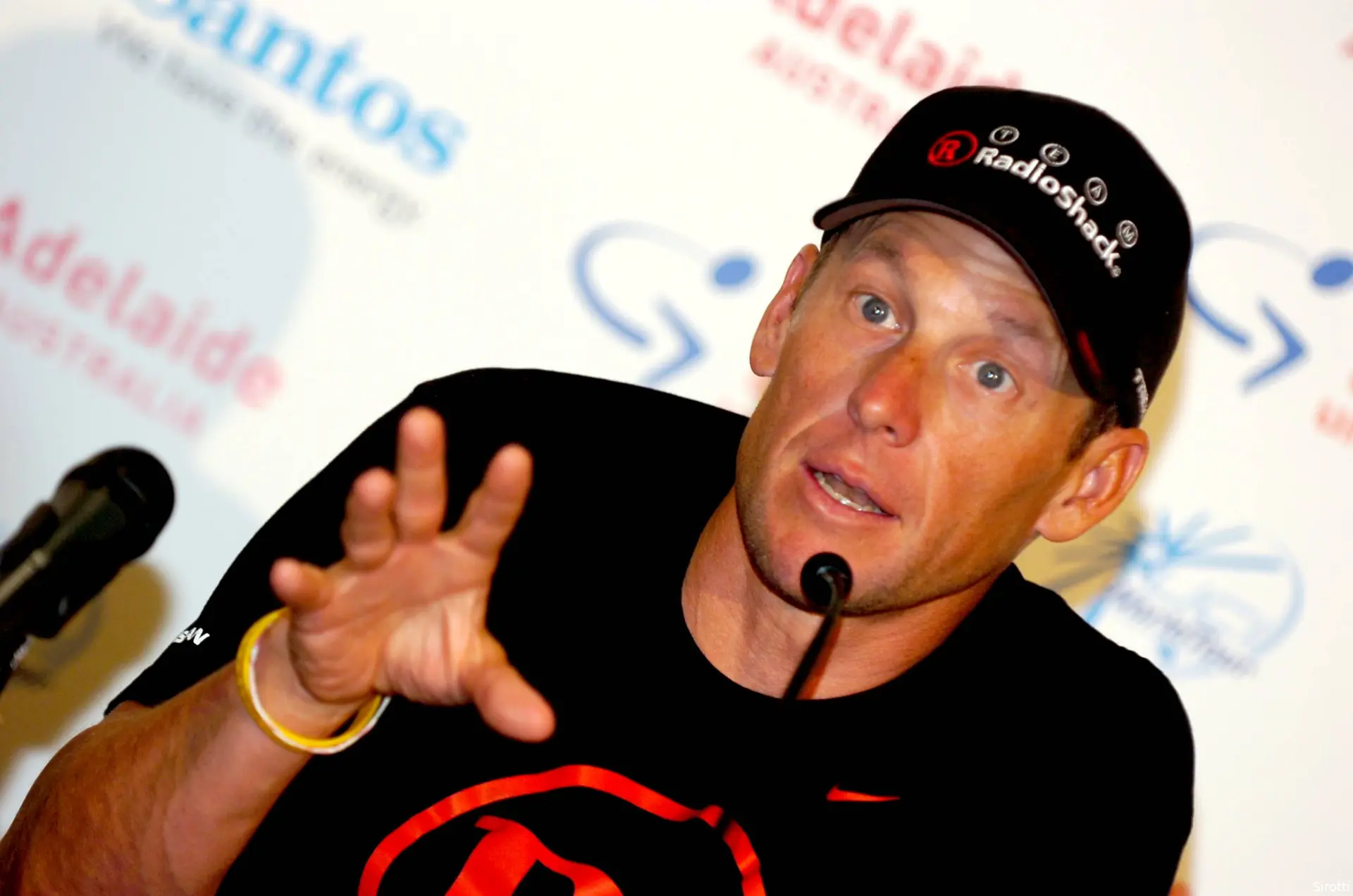
Follow IDL Pro Cycling on Google
Stay up to date with the best cycling news by making us a preferred source on Google.
Follow us on GoogleLance Armstrong has opened up about life after his public downfall in a revealing episode of the Frodeno Going Mental podcast, hosted by German triathlon icon Jan Frodeno. The former American cyclist — who stood on the Champs-Élysées in the yellow jersey every year from 1999 to 2005 — says he believes he was one of the first high-profile victims of cancel culture.
ADVERTISEMENT
Frodeno titled the episode Built to Survive, a theme Armstrong explores in depth. He reflects on growing up with a single mother, who had him when she was seventeen, and on surviving testicular cancer. But it is the collapse of his reputation from 2011 onwards that he keeps returning to.
“That’s when I really had to find a way to survive,” Armstrong said. “I had to tell myself: look, I am done, finished. Time will tell if that’s true, but I feel like I got caught up in the cancel culture that America has gone through. I was probably one of the first to experience that.”
Continue reading below the photo!

Armstrong refused to crawl into a corner and cry
Armstrong eventually admitted to Oprah Winfrey that he had used performance-enhancing drugs — a confession that brought his carefully constructed image crashing down in front of the entire world. “The day after I told the world, I realised how it worked: yesterday you were a hero, and today you’re a zero.”
The priority in the immediate aftermath, he says, was staying on an even keel. “The only thing I promised myself was that I would stay healthy and not become addicted to anything.” Armstrong later struggled with alcohol, though he now remains active in sport. Giving up entirely was never an option. “I knew I couldn’t just crawl into a corner and cry. You keep going. Life’s messy and you have to keep going and sort your things out.”
Continue reading below the photo.

Armstrong admits he went too far
Armstrong faced criticism during his career for being a tyrant in the peloton. He doesn’t entirely disagree. “But I don’t think there were a lot of nice guys at the top of the sport at that time,” he said. “Looking back, maybe I should have enjoyed it more and taken stock of what I’d achieved. I took certain things to extremes.”
“It was a job and I was paid to win, so that’s what I did,” he continued. “But I may have taken that too far, and in the end I paid a price for it. It worked on the bike — but ultimately it didn’t work off it.”
IDL-productions
Team GB dominate, China on the rise, Lavreysen the best ever? Five takeaways from the 2026 Track World Championships
Track World Championships day 2: A golden day for Team GB, Levreysen goes 2 for 2, and Kopecky eliminates the competition
Rumours, speculation and guesswork: 2027 Tour de France route will be revealed live on October 22 in Paris
Vollering adds the Women’s European Championships road race jersey to her rainbow wardrobe
16-day Grand Tours, AI, VAR, drones and more: The UCI's new document has a potentially major impact from 2029 onwards
Latest Cycling News

Pauline Ferrand-Prévot and Dylan van Baarle got married at the weekend: 'The best day of my life'
🎥 Overtaking buses and weaving through traffic: Keeping up with Pogacar in Monaco isn't easy!
Mads Pedersen is among athletes taking HBO to court
Seixas shuts down Visma | Lease a Bike transfer rumours: 'That bores me'
The outside world might be getting radio silence, but Jonas Vingegaard is in contact with Visma | Lease a Bike manager Plugge
Popular Cycling News
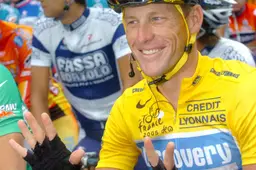
Lance Armstrong has a warning about the 2027 Tour de France route: 'Won’t make it across the English Channel'
Mads Pedersen is among athletes taking HBO to court
🎥 Overtaking buses and weaving through traffic: Keeping up with Pogacar in Monaco isn't easy!
Uno-X Mobility manager Thor Hushovd confirms contact with Jonas Vingegaard: 'He doesn’t earn that much'
Geraint Thomas gives a surprising reason for INEOS letting Ganna go: 'I wish him the best of luck at Lidl-Trek'
Latest Comments
- The article makes the new roster sound like a guaranteed fix, but big names don’t always click straight away. Ciccone and Pidcock both like having leadership, so it’ll be interesting to see how they share it. I hope it works, though.gearguru3326-10-2026
- I’m still learning how the UCI points work: does finishing 12th mean they’re automatically invited to every WorldTour race, including the Tour, or are there still extra conditions? Seems like a huge step for the team.davidm26-10-2026
- Hayter could be a great addition if he gets back to his best. The team’s got proper options now, not just one superstar doing everything.sprocketspiny26-10-2026
- Four times Hermans’ score is a pretty stark stat. The signings look promising, but a deeper roster only matters if they can stay together when the big races get selective.julien26-10-2026
- Fifth in the world while carrying that much of the team’s points is some effort. Ciccone and Schmid should make a real difference in the finales—Pidcock might finally have someone to take the pressure off before the decisive move.cyclechamp4526-10-2026
- More time trials sounds good, but could Remco actually win the whole race? I thought the Tour was mostly about climbing.gearguru3323-10-2026
- If Pogačar crashed badly, does that mean he might not be fully fit for the Tour?julien23-10-2026
- Edinburgh for the Grand Départ is brilliant news. The crowds in Yorkshire were incredible, and Scotland could be just as special.pedalpowe2923-10-2026
- Froome’s point about the mountains is spot on: the extra TT distance gives the other GC contenders a real reason to race aggressively before the final climbs.tourdeforce923-10-2026
- 71km of time trialling should make things much more interesting. Remco will fancy his chances, but you can never write Pogačar off.lindae23-10-2026
Loading