Follow IDL Pro Cycling on Google
Stay up to date with the best cycling news by making us a preferred source on Google.
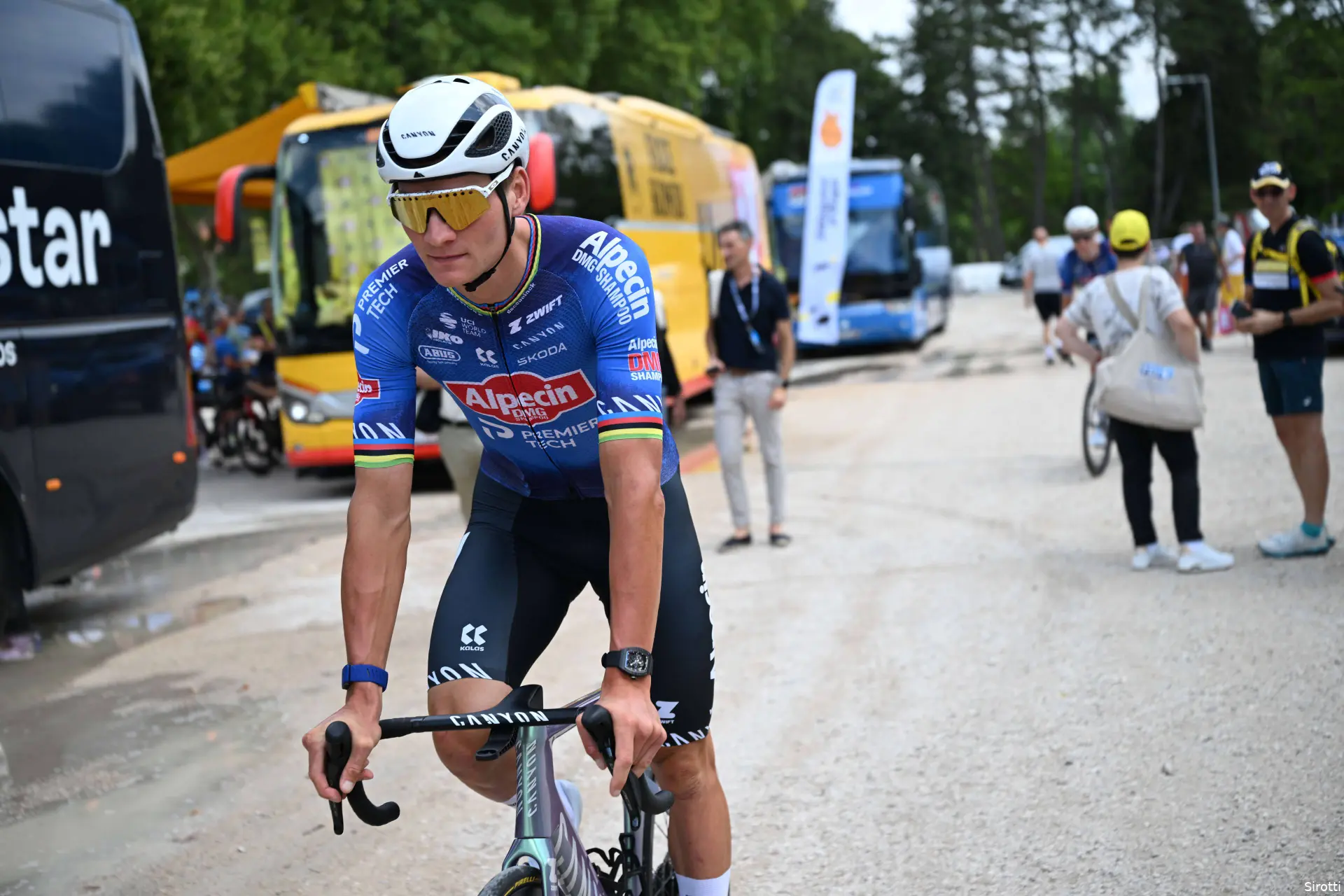
Follow us on GoogleStage 13 of the Tour de France was a day for the breakaway riders. But one key name was missing from a leading group that comprised nearly one-third of the entire peloton. Mathieu van der Poel failed to make it into a group of 57 riders, which formed in two separate waves. This was surprising, given the Dutchman’s comments at the start.
ADVERTISEMENT
Van der Poel had, of course, already secured a stage victory in Stage 9, but he was bullish on Dutch broadcaster NOS before stage 13. “If everything goes well, there’s a chance,” he said hopefully, referring to a stage that was virtually flat for the first 150 kilometers and featured a third- and first-category climb in the final stretch.
"You don't necessarily have to be the first to reach the top of that final climb to win the stage," he said, analyzing the Ballon d'Alsace climb, which, at just over 9 kilometers with an average gradient of nearly 7 percent, was the toughest on paper. “It won’t be easy; it’s not my forte.”
Read also
Continue reading below the photo

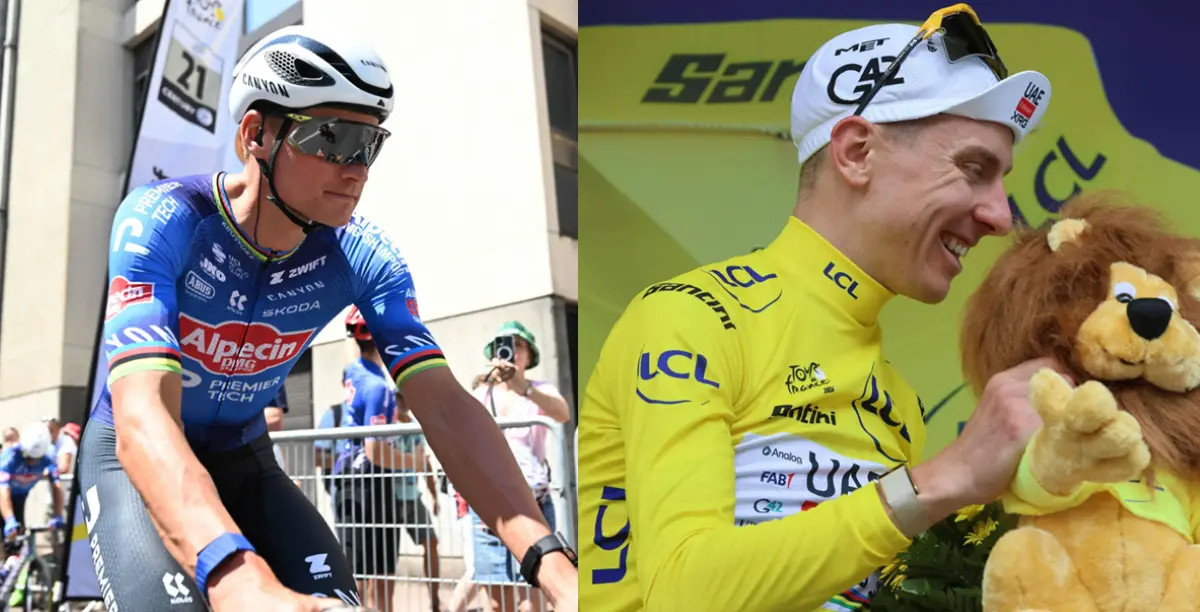
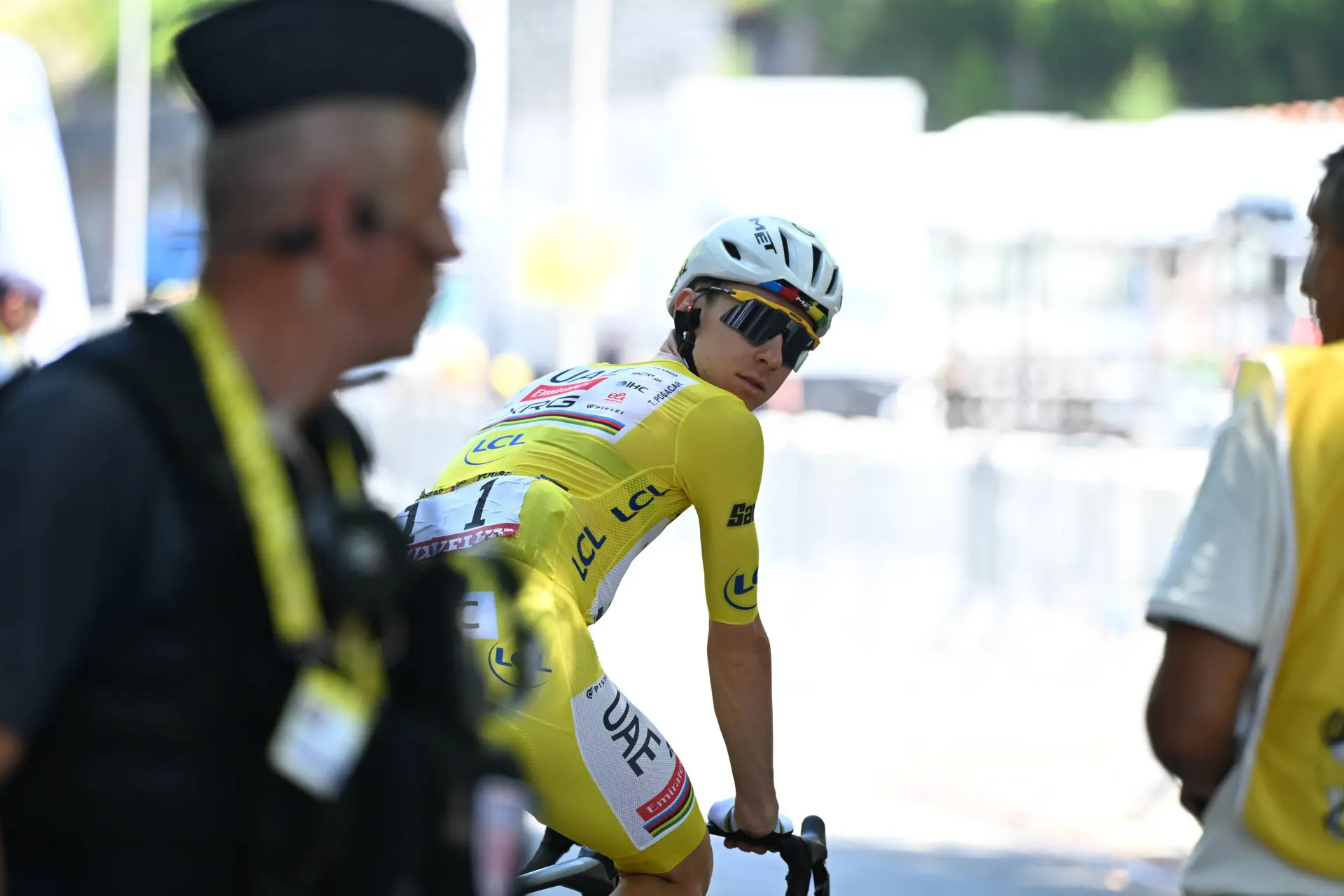
Mathieu van der Poel was really looking forward to it before the start.
Why didn't Van der Poel make it into the Tour de France breakaway?
An average gradient of 7 percent should, on paper, be a bit of a stretch for Van der Poel, but his father, Adrie van der Poel, already dismissed that notion after the victory in Stage 9. Van der Poel had made a particularly strong impression on the climbs that day, though not necessarily on his father. “Mathieu is capable of much more than people think when it comes to climbing. But he often just doesn’t feel like it,” his father said, surprisingly.
"These weren't real mountains, but he can handle climbs with a 6 or 7 percent gradient—it's just a matter of pedaling at the right wattage. But today he knew: if I'm up front here with the right guys, then I really have a chance," Van der Poel Sr. said. When confronted with those comments, Mathieu agreed on Friday: “I do agree with him; I’ve got a good climb in my legs.”
"It’s often pointless to ride like that, but today is actually a stage where it might work. The plan is to stay with the pack, and I’m going to give it a shot. I’m feeling pretty good, so let’s go for it," he said, sounding genuinely motivated. And so we got ready for it, especially when a huge group broke away early in the stage.
Continue reading below the photo

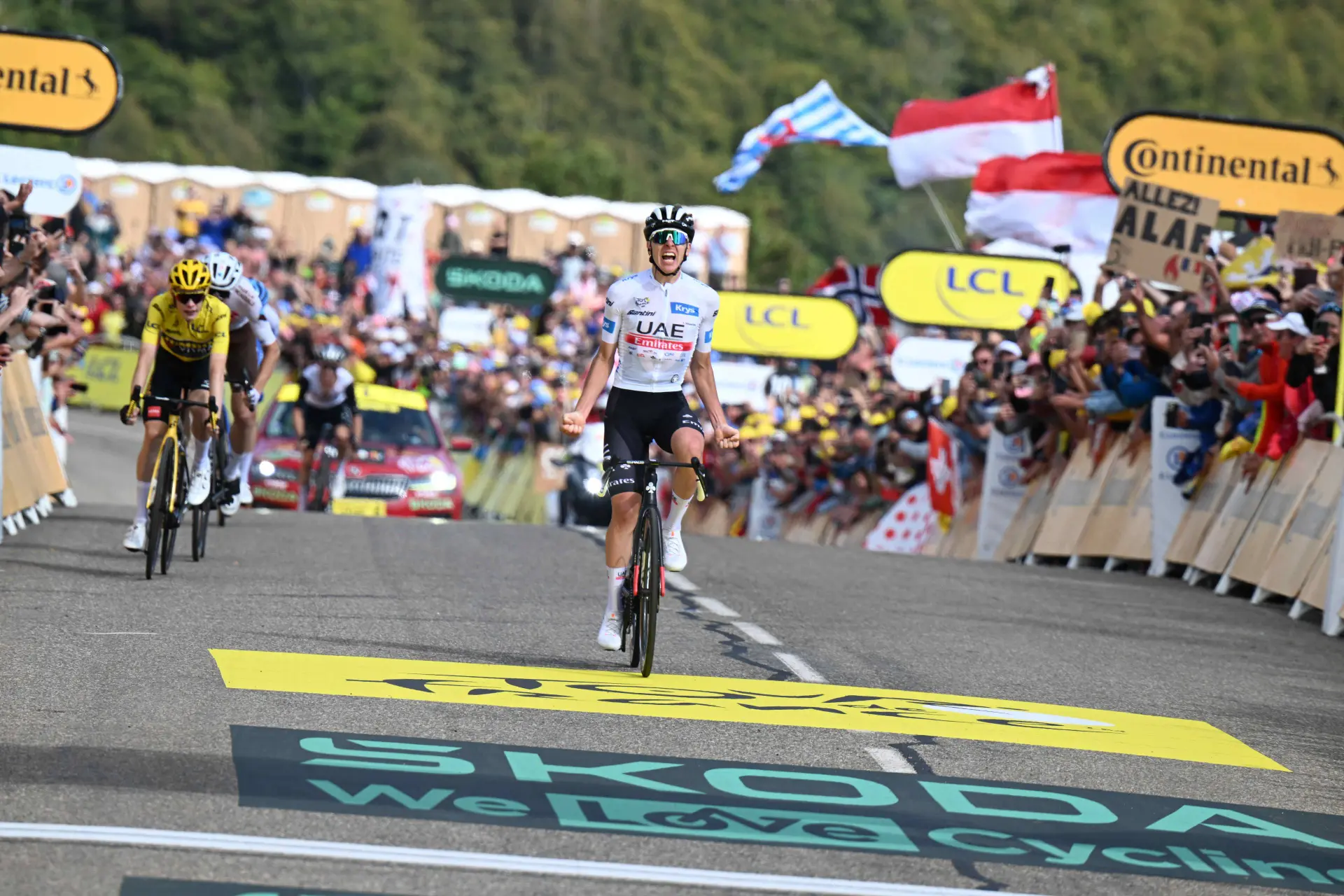
Van der Poel won the stage on Day 9, but he wasn't able to do the same in Stage 13.
Van der Poel predicted a tough battle for the breakaway
After about an hour of racing, a group of about 35 riders broke away; later, at the behest of Mads Pedersen (Lidl-Trek), another 20 or so joined them. A group of 57 was given free rein, including a host of sprinters vying for the green jersey and riders at the bottom of the general classification. But Van der Poel? He wasn’t mentioned even once in the race report.
Even before the start, Van der Poel predicted that it would be difficult to stay with the pack. “It’s hard to get into the right breakaway in a long, easy stage like today’s, because it’s easy to just ride in someone’s slipstream. In the stage I won, it came down to the legs early on; that’s harder now. But I do think Pogacar will let the breakaway group ride.”
That turned out to be the case, with UAE Emirates-XRG sending two riders into the breakaway and thus avoiding a day of control. Alpecin-Premier Tech saw Van der Poel fail in his attempt, but it did have sprinter Jasper Philipsen and domestiques Edward Planckaert and Emiel Verstrynge in the breakaway. They ensured that Philipsen won the intermediate sprint, meaning the team didn’t leave the stage empty-handed.
Van der Poel eventually crossed the finish line behind the peloton, which he had to let go on the final climb.
Read also
David Bavin-HobbsChief Editor
David has been working in the sports & cycling industry for 16 years. Covering racing, business and technology, he has worked in communications for cycling companies, teams, and as a journalist. His proudest achievement is winning the first bike race he ever entered. He hasn't won a race since.
IDL-productions
Track World Championships day 2: A golden day for Team GB, Levreysen goes 2 for 2, and Kopecky eliminates the competition
Rumours, speculation and guesswork: 2027 Tour de France route will be revealed live on October 22 in Paris
Vollering adds the Women’s European Championships road race jersey to her rainbow wardrobe
16-day Grand Tours, AI, VAR, drones and more: The UCI's new document has a potentially major impact from 2029 onwards
Quinn Simmons' Strava shows exactly what it takes to compete at the World Championships: ‘I said, Hey guys, anything is possible'
Latest Cycling News
Richard Carapaz leaves EF Education-EasyPost for a surprising project: 'A team with enormous potential'
Van Dijke wins, but Visma celebrates hardest after overcoming leader Söderqvist at the Eneco Tour
Investigation into Picnic PostNL allegations will be launched: 'A culture of fear or dictatorship'
'I was knocked down in one go': Lorena Wiebes on severe fall at Track Cycling World Championships
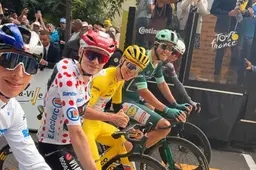
Iconic scorpion to return to Tour de France after over 30 years: 'History meets the future'
Popular Cycling News
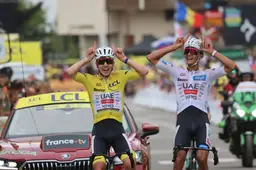
The Tour de France responds to the UCI's radical Grand Tour plan; the Giro and Vuelta are also opting out
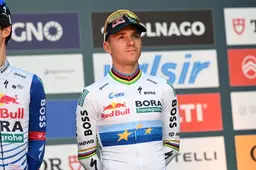
Evenpoel's 'unflattering' new jersey ridiculed by David Millar and others: 'Just the most absurd display'
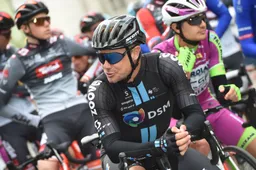
Roche adds his voice, speaks out against Picnic PostNL: 'Management isn't cut out for cycling'
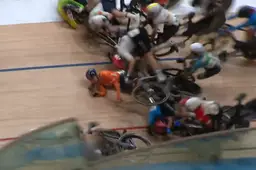
🎥 Lorena Wiebes crashes hard at the Track Cycling World Championships and takes half the field down with her
Disaster at Picnic PostNL could help Tom Pidcock's Pinarello-Q36.5 WorldTour bid on UCI registration deadline day
Latest Comments
- A self-promoting billboard for the psychologically insecure Evenpoel, who should do as much work on his psyche as he does on his road training. It seems as if he's always looking for and desperately needing acclaim and external validation, and often miserable, as well as argumentative and accusatory unless he wins the race. And even when he does cross the finish line ahead of the pack, he seems to experience relief. more than joy. It's as if he can't win, even when he finishes first, because there's always a trap door, always someone there who will say, 'Not good enough,' or, 'But can you do it again?'rjb15-10-2026
- How does a team actually get a wildcard for a Grand Tour? Is it mainly based on ranking, or do organisers have more choice? I’m still trying to get my head around how the divisions work.andrewf15-10-2026
- The points gap to the top 18 is huge, so Picnic PostNL’s licence situation sounds precarious. Still, the allegations about conditions within the team deserve proper scrutiny, not just transfer-window speculation.cadencekingm15-10-2026
- Pidcock finishing ninth at the Tour as a ProTeam rider is impressive. WorldTour status would give the squad a more settled calendar, though the obligation to start almost every WorldTour race could stretch a team that’s still building.pedalpowe2915-10-2026
- Pinarello-Q5 are making a serious case on the road, and Ciccone is a big signing. But points alone won’t tell the whole story if Picnic PostNL meet the UCI’s financial conditions.michael5415-10-2026
- The article calls the Giro the likely option, but Seixas has said the Tour is his lifetime goal. That seems a bit premature—wouldn’t the team want him back at the Tour after finishing fourth?gearguru3314-10-2026
- Five weeks between the Tour and Worlds sounds like plenty of time to recover and get ready again. I’d love to see him go for both.sprocketspiny14-10-2026
- Why does the Vuelta start just six days after the Worlds? Do riders ever compete in both, or is that turnaround generally too short?davidm14-10-2026
- He’s had an extraordinary season, but there’s no need to rush him into targeting everything at once. A gradual build towards the Tour could pay off in the long run.lindae14-10-2026
- That Worlds course sounds tailor-made for Seixas. Twenty ascents of Domancy is savage, and racing at home could make it a huge day for him.andrewf14-10-2026
Loading