Pogačar's Alpe d'Huez record-breaking numbers say a lot, but Ayuso's time perhaps says even more
Cycling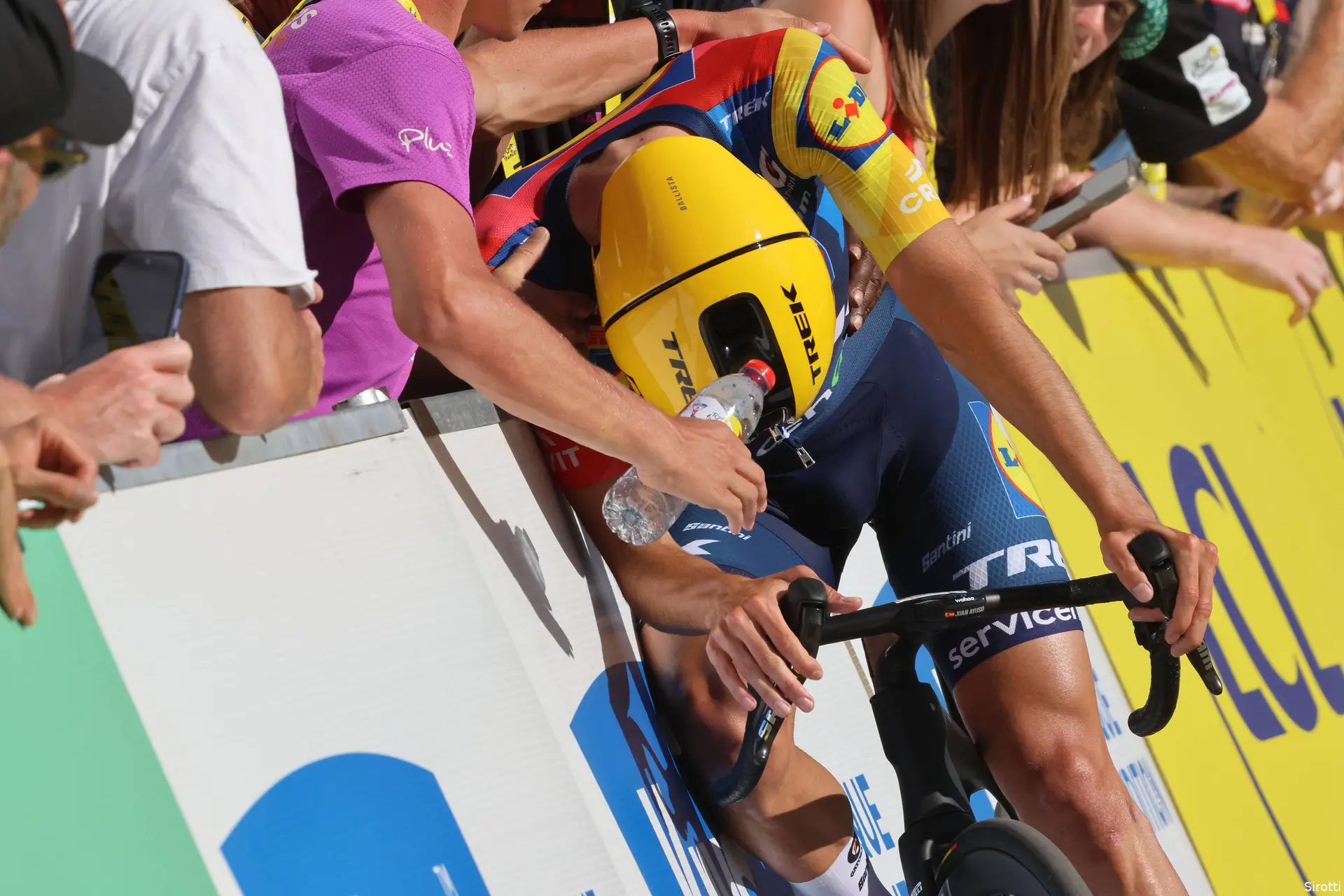
Follow IDL Pro Cycling on Google
Stay up to date with the best cycling news by making us a preferred source on Google.
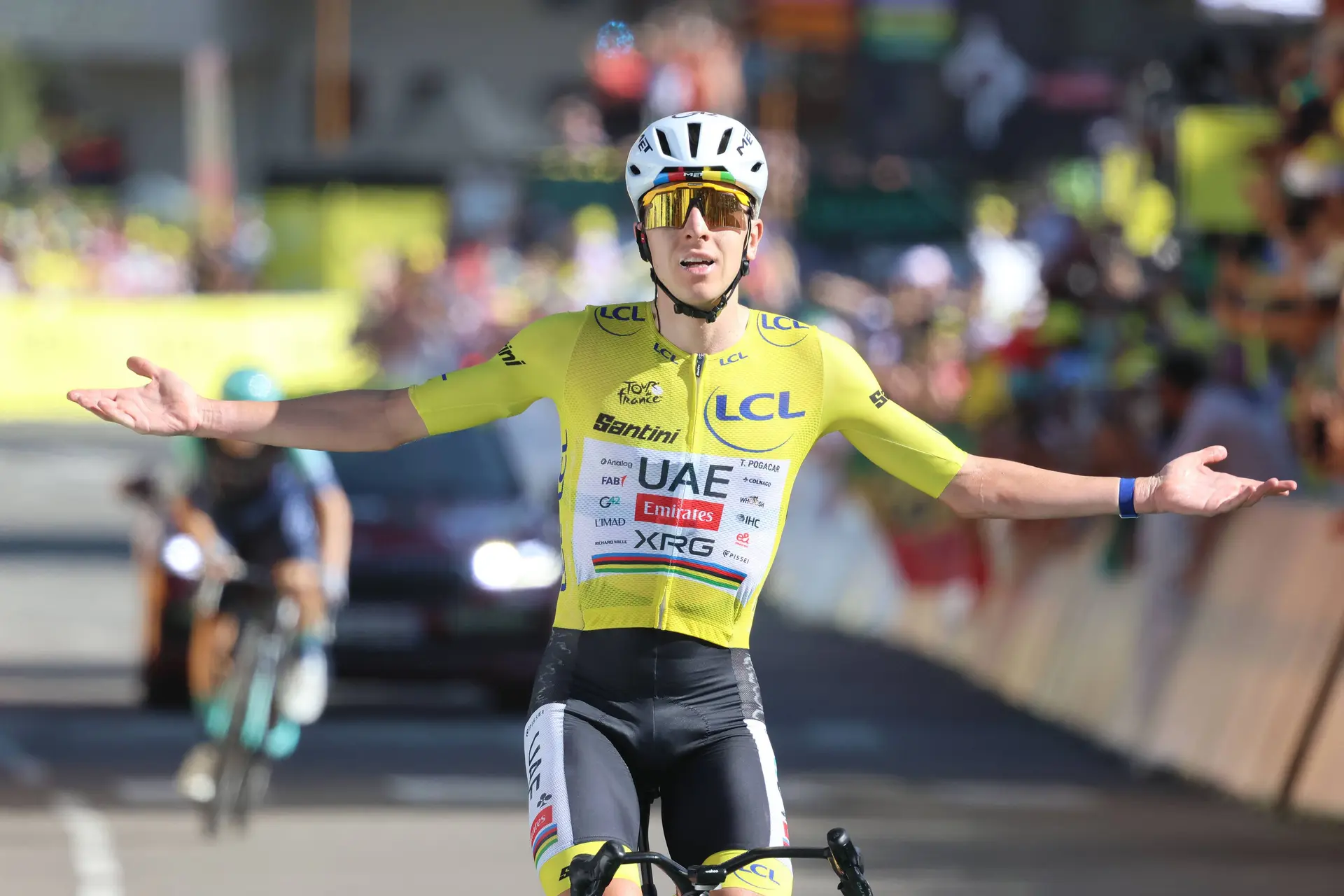
Follow us on GoogleAlpe d'Huez did not disappoint—that much is clear after Stage 19 of the Tour de France. Tadej Pogačar won, breaking a record that had stood for 31 years. The numbers speak for themselves, even though this wasn’t even Pogi’s best performance on a bike. The climb time posted by a less-than-sharp Juan Ayuso also says a lot.
ADVERTISEMENT
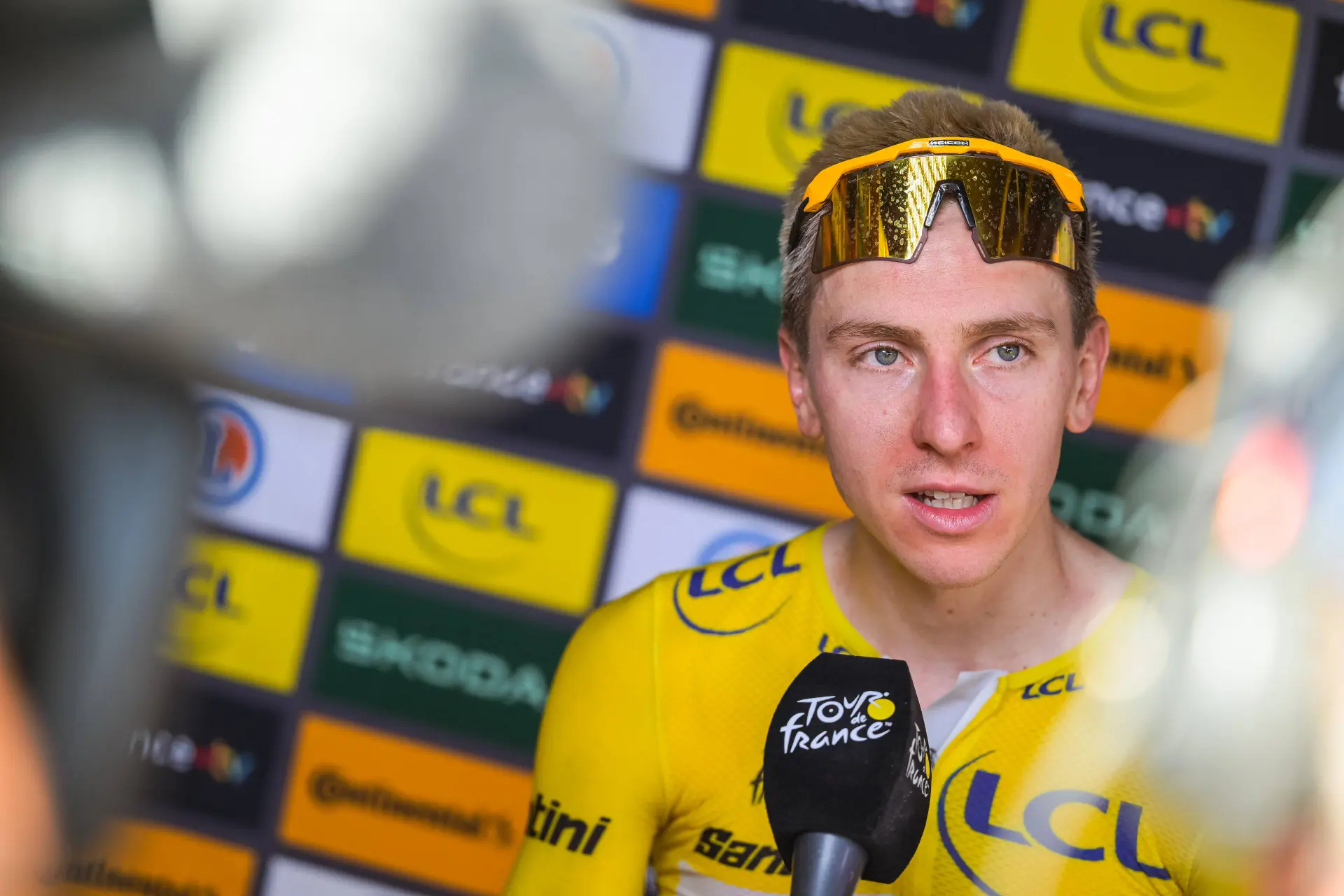
Half an hour after his victory, he still hadn’t been told, but Thijs Zonneveld informed Pogacar in the mixed zone that he had broken Marco Pantani’s climbing record. With a stoic expression, the Slovenian indicated that he was indeed pleased about it.
Not everyone seems to agree on exactly how long it took Pogacar to climb Alpe d'Huez. 35:26, 35:27, 35:28... The most commonly cited time is 35 minutes and 27 seconds, although the official segment on Strava lists 32 minutes and 26 seconds. That segment, however, is slightly shorter than the total ascent of the “Dutch mountain.”
All right, so 35 minutes and 27 seconds. That means the Slovenian was, in any case, more than a minute faster than Pantani, who took 36:50 minutes to complete the course in 1995 (more than 30 years ago!). To break that record, Pogi obviously had to put out some serious watts.
Read more below the photo!

Pogacar has had better days; Ayuso wasn't actually that bad
Domestique made an estimate. For the entire climb, which would have taken 35 minutes and 27 seconds, the English-language publication estimates the power output at 6.9 watts per kilogram of body weight. For the average amateur cyclist, these are staggering figures, of course. For the Strava segment of 32 minutes and 26 seconds, the estimate is even higher at 7 watts per kilogram.
Numbers that leave people speechless—yet for Pogacar, this isn’t even his all-time best performance. Take, for example, the Plateau de Beille in the 2024 Tour de France. Back then, Pogacar’s power output was also estimated at 7 watts per kilogram, but that was sustained for 40 minutes. On top of that, that stage was 185 kilometers long, whereas Friday’s was “only” 128 kilometers.
Also in the top eleven of the Alpe d'Huez climb times after Friday’s stage: Remco Evenepoel (7), Isaac Del Toro (9), Mattias Skjelmose (10), and Paul Seixas (11). Evenepoel was 2.29 behind Pogacar and thus completed the climb in 37.56 minutes; Del Toro did so in 38.08 minutes, and Skjelmose and Seixas both finished in 38.12 minutes.
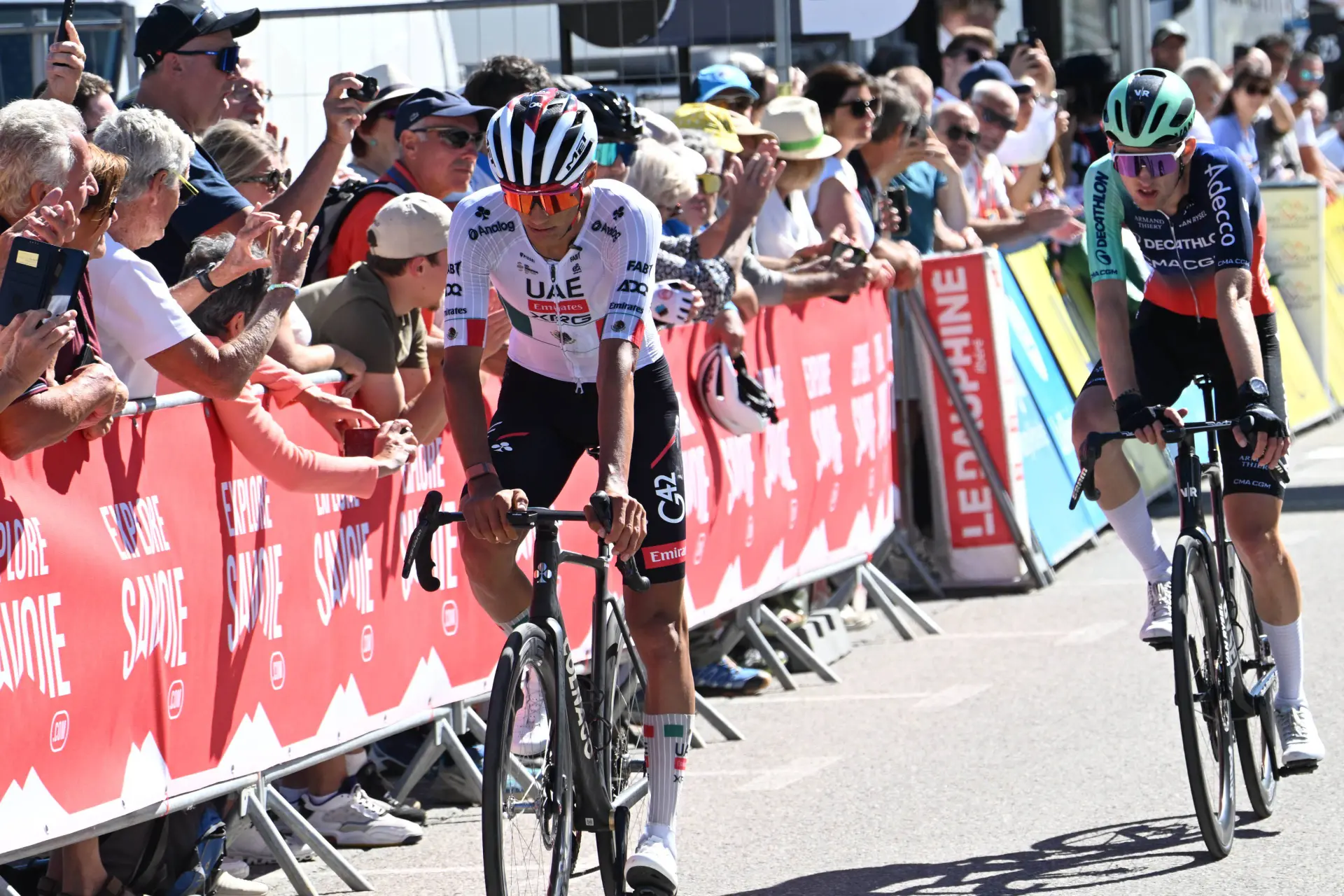
And what about Juan Ayuso, who had a bad day and ultimately crossed the finish line in seventeenth place, 6 minutes and 26 seconds behind winner Pogacar? He clocked a time of 41 minutes and 52 seconds. Not great, you might think, but it’s striking that this is the same time Tom Pidcock posted in 2022. The Brit, then still riding for INEOS Grenadiers, won that stage with that time. It says a lot about how much faster things are these days.
Read also
David Bavin-HobbsChief Editor
David has been working in the sports & cycling industry for 16 years. Covering racing, business and technology, he has worked in communications for cycling companies, teams, and as a journalist. His proudest achievement is winning the first bike race he ever entered. He hasn't won a race since.
IDL-productions

Team GB dominate, China on the rise, Lavreysen the best ever? Five takeaways from the 2026 Track World Championships
Track World Championships day 2: A golden day for Team GB, Levreysen goes 2 for 2, and Kopecky eliminates the competition

Rumours, speculation and guesswork: 2027 Tour de France route will be revealed live on October 22 in Paris
Vollering adds the Women’s European Championships road race jersey to her rainbow wardrobe

16-day Grand Tours, AI, VAR, drones and more: The UCI's new document has a potentially major impact from 2029 onwards
Latest Cycling News

This is Specialized TMRW, Fem van Empel's new cyclocross team, with close links to Vollering’s FDJ
The 2027 Tour de France route is out; here's where Pogačar could win or lose his record sixth title

Team USA's Ashlin Barry recalls becoming World Champion: 'One of the first texts was from Wout'
Lance Armstrong has a warning about the 2027 Tour de France route: 'Won’t make it across the English Channel'

Tour de France boss Prudhomme compares Pogačar to 1969 Merckx after Vuelta crash: 'Are you still the same person?'
Popular Cycling News
Tadej Pogačar to skip Paris-Roubaix in 2027: 'The easier it becomes to stay away from racing'
Lance Armstrong has a warning about the 2027 Tour de France route: 'Won’t make it across the English Channel'
2027 Tour de France men's and women's routes: Everything you need to know about the UK Grand Départ
The 2027 Tour de France route is out; here's where Pogačar could win or lose his record sixth title
Picnic PostNL's WorldTour uncertainty has five rival teams, and Tom Pidcock, watching the UCI closely
Latest Comments
- More time trials sounds good, but could Remco actually win the whole race? I thought the Tour was mostly about climbing.gearguru3323-10-2026
- If Pogačar crashed badly, does that mean he might not be fully fit for the Tour?julien23-10-2026
- Edinburgh for the Grand Départ is brilliant news. The crowds in Yorkshire were incredible, and Scotland could be just as special.pedalpowe2923-10-2026
- Froome’s point about the mountains is spot on: the extra TT distance gives the other GC contenders a real reason to race aggressively before the final climbs.tourdeforce923-10-2026
- 71km of time trialling should make things much more interesting. Remco will fancy his chances, but you can never write Pogačar off.lindae23-10-2026
- I’m still figuring out how time trials affect the overall race. If Evenepoel gains time there, will Pogačar have enough mountain stages left to make it back? The route sounds exciting, but I’m not sure how much difference 71km makes.davidm22-10-2026
- Two 223km stages in the opening week could make for a proper nervous start. Those narrow British roads and potholes might have the GC favourites watching every corner.jennifer1922-10-2026
- That Pau–Portet stage sounds absolutely savage: Tourmalet, Soulor, Hourquette d’Ancizan and then the Portet. Vingegaard should suit those long climbs, though Pogačar is hardly easy to shake.julien22-10-2026
- Seventy-one kilometres against the clock gives Evenepoel a real chance to put pressure on Pogačar, but those Pyrenean stages look brutal. Could be a cracking final week if the time gaps stay close.sprocketspiny22-10-2026
- Not sure we can call this a perfect Evenepoel route before we’ve seen the start list. Plenty of time-trialling, yes, but those Pyrenees stages look absolutely savage. Could be a great Tour, though.julien22-10-2026
Loading