Follow IDL Pro Cycling on Google
Stay up to date with the best cycling news by making us a preferred source on Google.
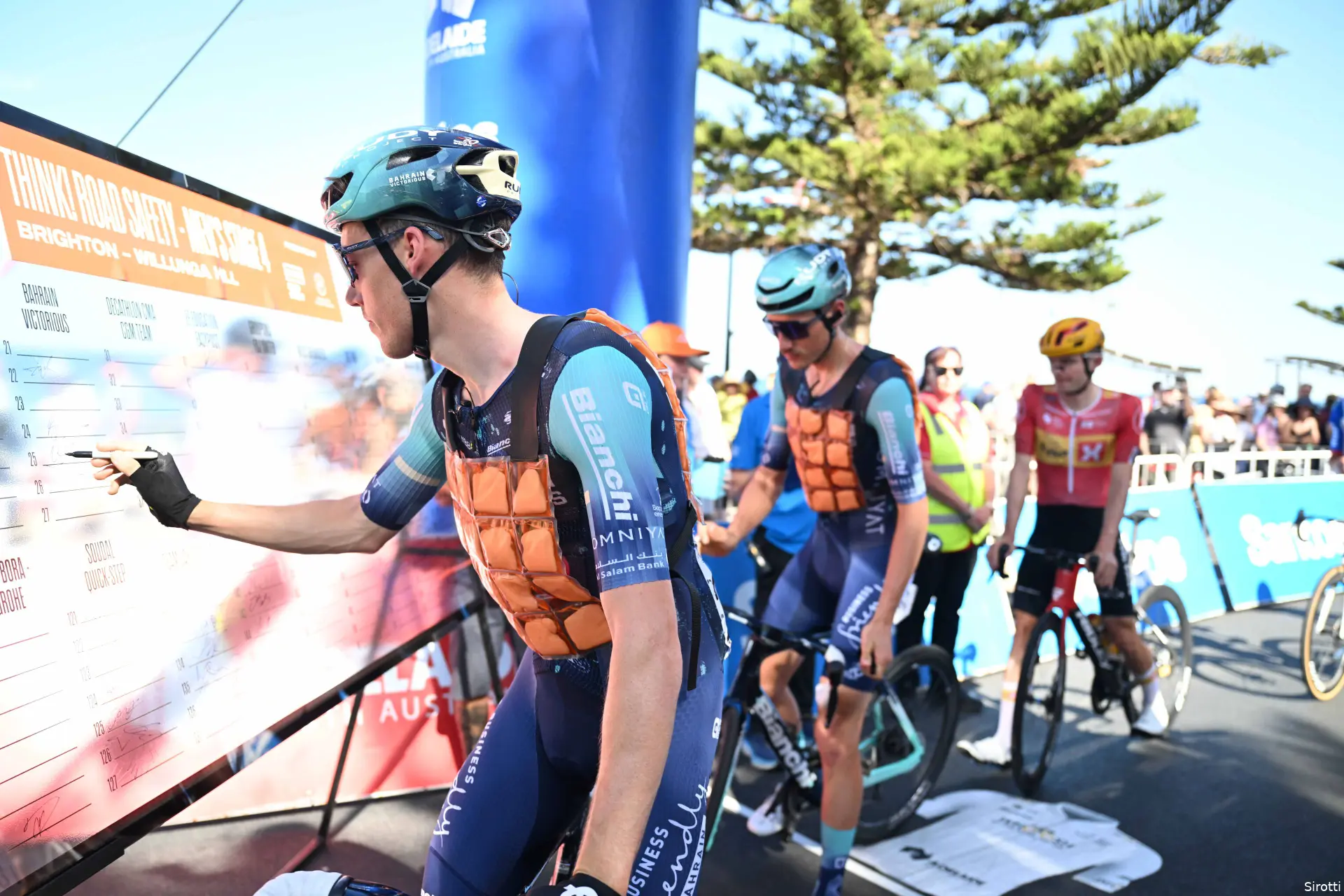
Follow us on GoogleIt's incredibly hot in France. The Tour de France has been struggling with extreme weather conditions since the start in Barcelona, and even now that it has crossed the border. The organizers were forced to take emergency measures during the third stage, but for the coming days, the UCI has decided to ease the conditions somewhat for the riders.
ADVERTISEMENT
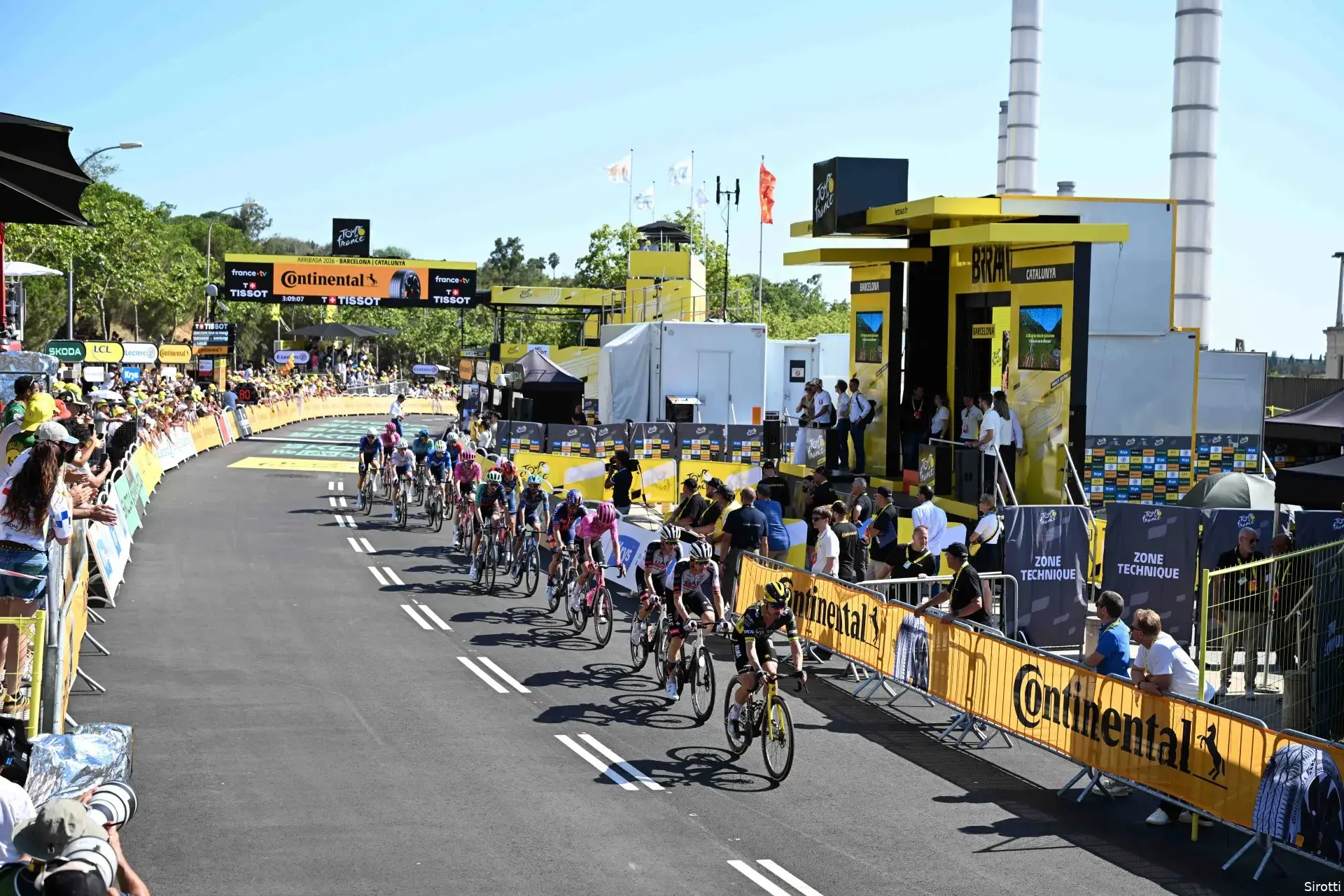
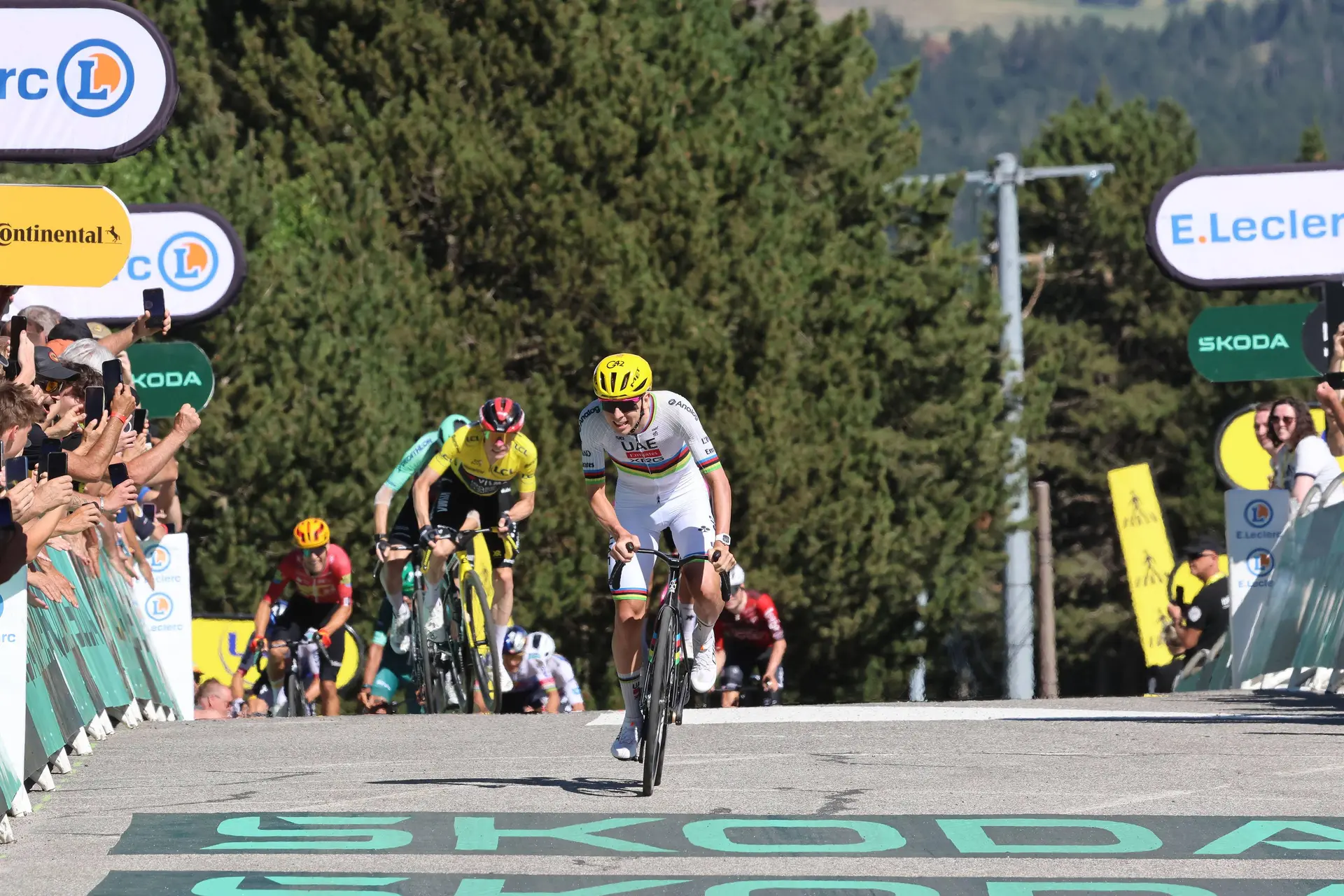
It was already sweltering in Barcelona. The first two days saw temperatures well over thirty degrees, before it climbed to forty degrees. The third stage was once again extremely hot, and quite a few riders struggled with the heat. Nature suffered as well: there were forest fires, prompting the ASO to ultimately decide not to allow spectators along the final forty kilometers.
Judging by the crowds lining the road, that plan had failed. Temperatures are once again expected to reach nearly forty degrees for the fourth stage. Between Carcassonne and Foix, it’s expected to be an extremely grueling day, partly because the course is challenging. That’s why the UCI has decided to take action—and not just for the fourth stage.
Read also
Read more below the photo!

'Supply bags' at water zones
This was announced in a press release. “The International Cycling Union, in consultation with the chair of the supervisory committee—which is responsible for the sporting management of the event— and the organizer, who is responsible for its organization, has decided to relax the rules regarding the provision of refreshments to the riders in light of the extreme heat forecast for the upcoming stages of the Tour de France.”
"In this regard, it has been decided to exceptionally allow the use of supply bags in zones that were initially intended solely for the distribution of water bottles ('water bottle zones') within the specified climbs. This measure is intended to facilitate the simultaneous distribution of multiple water bottles to each rider, thereby ensuring optimal hydration under the expected weather conditions."
More water bottles, more hydration, fewer problems—that’s the UCI’s reasoning. It’s a test, but it’s quite possible that similar measures will be taken later in the Tour. “This measure is being introduced on a trial basis and will be evaluated based on weather conditions, its effectiveness, and its impact on the smooth running of the event.”
Read also
Bram van der PloegEditor-in-chief
Bram van der Ploeg (35) is the proud founder of In de Leiderstrui, IDL Pro Cycling's parent site, launched in 2018. Finally, he could create stories about the sport he had followed since childhood. He is the editor-in-chief on paper, but prefers to be with his recorder next to a rider, a team bus, or in the mud at a cyclocross race. Every year, from February to the end of May, Bram follows the entire Italian cycling season, from the Trofeo Laigueglia to the Giro d'Italia, with the grand finale in October in Lombardy. During that time, he lives in Tuscany, where he has since come to call Italy his 'home'.
IDL-productions
2027 Tour de France route to be revealed live on October 22; here’s what the rumour mill says
Vollering adds the Women’s European Championships road race jersey to her rainbow wardrobe
16-day Grand Tours, AI, VAR, drones and more: The UCI's new document has a potentially major impact from 2029 onwards
Quinn Simmons' Strava shows exactly what it takes to compete at the World Championships: ‘I said, Hey guys, anything is possible'
Despite losing the World Championships, Del Toro and Seixas rank high mentally and physically on the Pogačar scale
Latest Cycling News
2026 European Cycling Championships Schedule and Results | Mixed relay results are in before the time trials on Wednesday
World Champions Italy defeated by a powerhouse French team at the European Championships Mixed Relay

Final race and 'new chapter' awaits pioneering South African pro Ashleigh Moolman Pasio: 'I want to empty the tank'
2027 Tour de France route to be revealed live on October 22; here’s what the rumour mill says
Vingegaard eager to compete in next year's "toughest World Championships of the decade", says Danish coach
Popular Cycling News
Photo finish decides magnificent European Championship, full of crashes, tactical ingenuity and a crucial bike throw
Lance Armstrong was diagnosed with cancer 30 years ago but is still here today; celebrates with wife Anna Hansen
Ciccone casts doubt on European Championship photo finish with Remco Evenepoel: 'I'm asking for something very simple'
Evenepoel 'relieved' and 'proud' to win European title after tough week following World Championship 'disappointment'
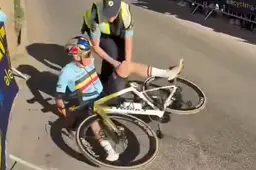
🎥 Policewoman saves Evenepoel's gold medal after European Championships crash, but still feels his wrath
Latest Comments
- - Super hyped for Leeds start for the Femmes. London TTT near the landmarks will be epic telly. Bonne chance à toutes, allez allez!sprocketspiny06-10-2026
- - Slightly worried about weather up north in early July—crosswinds on Stage 1 into Carlisle could cause carnage. Echelons before we even hit France? Yes, thank you.julien06-10-2026
- - Can’t wait! Pogačar will smash the Loze this time. Redemption arc incoming. Vamos Tadej!bikebuffj06-10-2026
- - How do riders transfer from Cardiff to France logistically? Is there a rest day right after Stage 3 or do they race before crossing the Channel?michael5406-10-2026
- -00 CEST stream bookmarked. Please let the Alps include La Plagne. The long drag after Aime is perfect for a late ambush if the GC is tight.robert6506-10-2026
- - Demi vs the clock in a London TTT? Yes please. SD Worx-Protime will be licking their lips. Also love that the Femmes gets headline UK stages instead of just token starts.samanthak06-10-2026
- - Stages 1–3 look great, but five categorised climbs on Keswick–Liverpool feels a bit generous? Those Lake District ramps can bite, but not all of them are proper cat climbs imho.gearguru3306-10-2026
- - Quick question: when they say “team time trial in London” for the Femmes, how long are TTTs usually? And do all riders have to finish together or is it on 4th rider time?jeremya06-10-2026
- - If Granon and Loze are both in, Pogačar will have a score to settle. He’s sharper now at fueling and heat management than in 2022–Could be where Vingo vs Pog gets decided again.cyclechamp4506-10-2026
- - Grande articolo. Evenepoel e Ciccone al limite totale — respeto. Pero por favor, UEC, mostra la foto esatta della linea per evitare polemiche.jeremya06-10-2026
Loading