Geraint Thomas and Luke Rowe know how this Vuelta will play out: 'It's all balls to the wall with them'
Cycling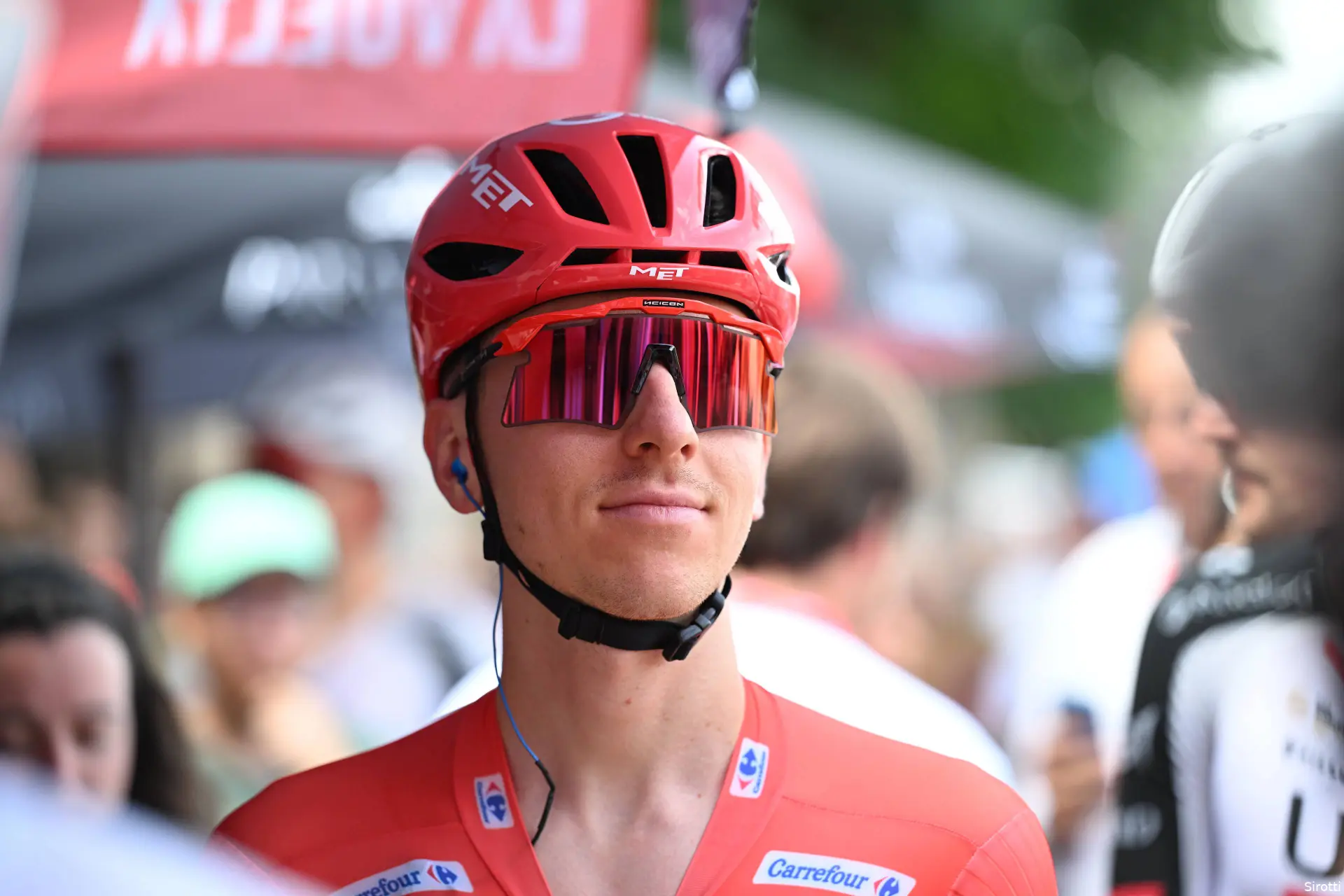
Follow IDL Pro Cycling on Google
Stay up to date with the best cycling news by making us a preferred source on Google.
Follow us on GoogleThe 2026 Vuelta a España won’t go down in history as the most exciting Grand Tour ever, if things continue this way. Tadej Pogačar has already firmly secured the red leader’s jersey after just a few days and doesn’t seem to have any immediate plans to give it up. Geraint Thomas, Luke Rowe and Thijs Zonneveld all agree on their separate podcasts, that this Vuelta is done and dusted.
ADVERTISEMENT
Thomas and Rowe see the Vuelta writing on the wall
Speaking on their Watts Occurring podcast after stage 5, Thomas and Rowe look into the history of riders that have led a Grand Tour from day 1: 'There are four riders who have done it in the history of the Giro," said Rowe. "There are six riders who have done it in the history of the Tour, but all a very long time ago. Rominger is the most recent at the Vuelta, like I said, in ‘94."
"The most recent in the Tour de France is Eddie Merckx, in 1970. So in the current era no one's ever done it, but potentially Pogi can?" asks Rowe. "Yeah, they [UAE, ed.] definitely can, can't they?" agreed Thomas. "It's just if they want to protect the team by giving the jersey away for a few days, but why would they?" the former Tour de France winner asked.
Thomas continued: "If they've got it, they're going to do it. That's what they do, isn’t it? That's how they race. It's all balls to the wall with them. I'd put money on them keeping it [the red jersey, ed.]."
Zonneveld: 'You could have predicted it'
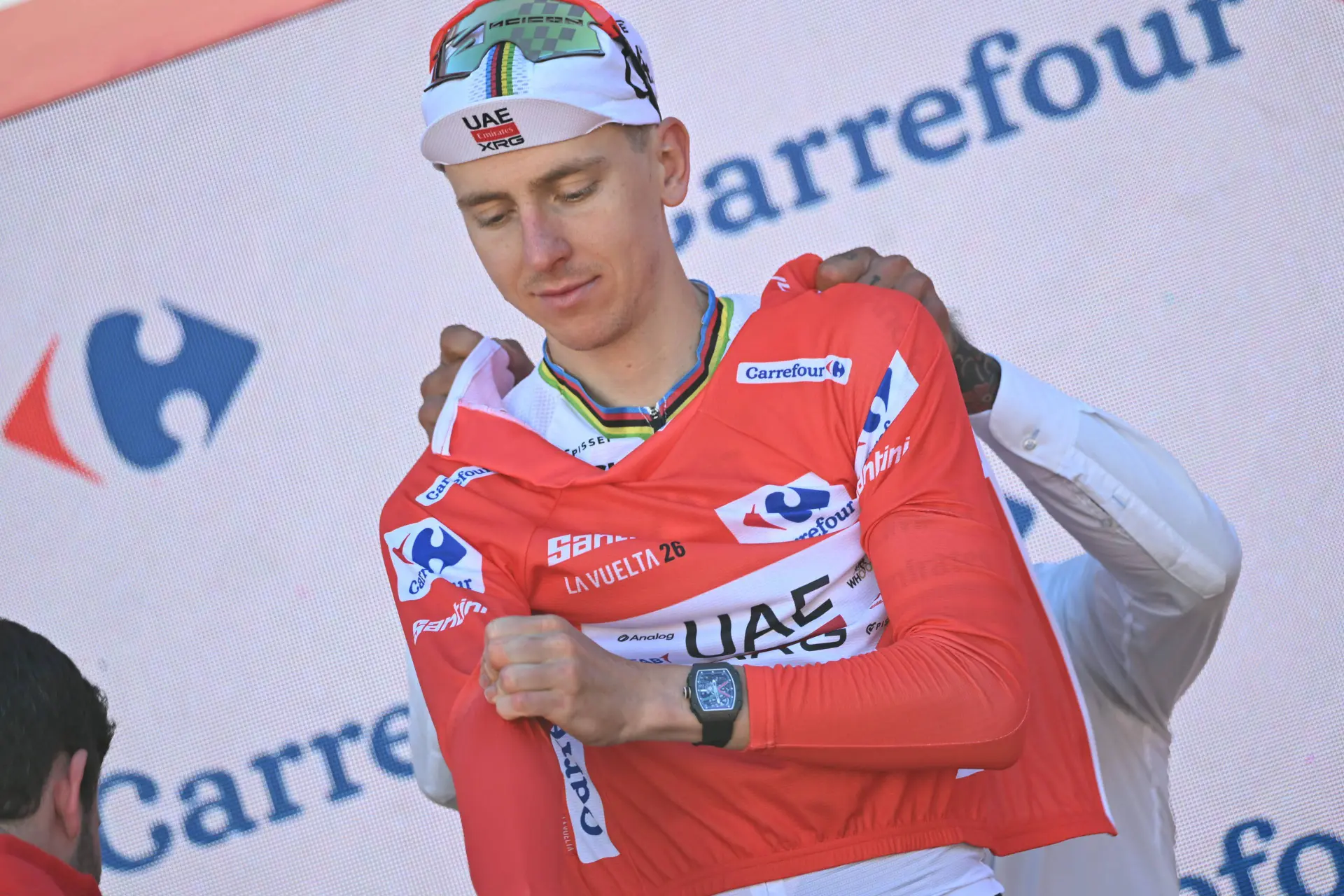
Speaking on his podcast In de Waaier, Dutch journalist Thijs Zonneveld also expected this approach from Pogačar and UAE.
"The route is, of course, designed throughout the year to get Pogačar to the starting line: starting in Monaco and featuring a few very tough stages right from the first few days, so that he can quickly build up a big lead and turn the rest of the Vuelta into a training camp. You can hardly miss it—that’s exactly what happened,” he said.
"The fact that he won that first time trial came as a surprise to me, especially since it was a technical time trial. But the fact that he would win on day three seemed completely logical to me, and you could already see coming that he would win by a wide margin on day four. You could have predicted it. The only question was: where would he go, and how big would his lead be?"
"This is exactly what he wanted," Zonneveld continues. "To decide the Vuelta right away, ride in the red from start to finish after that time trial victory in Monaco, and control the race in such a way that he stays fit and fresh for the World and European Championships. From now on, he’ll simply pick the days he wants to strike and put his team to work to control the race.”
Read more below the photo!

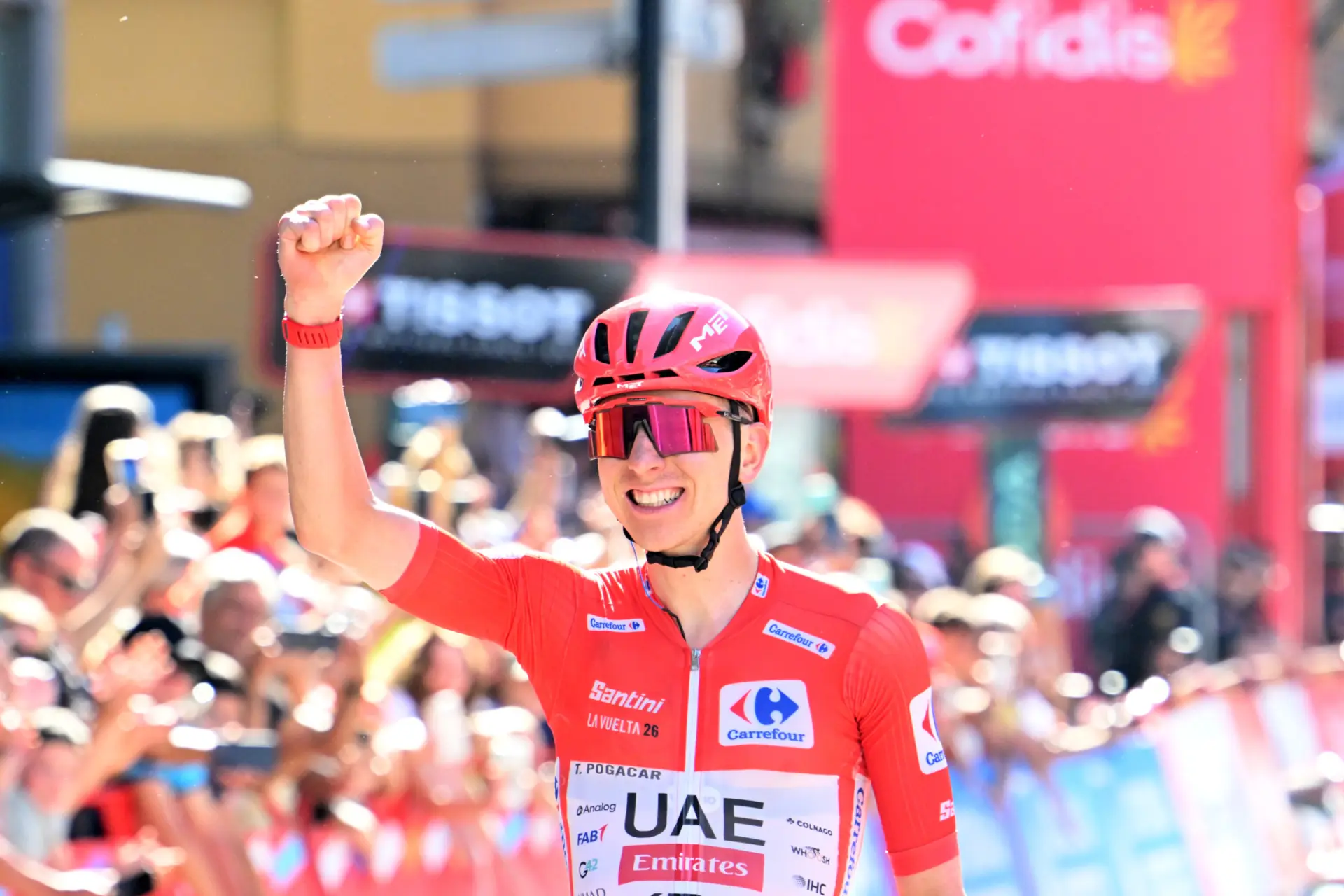
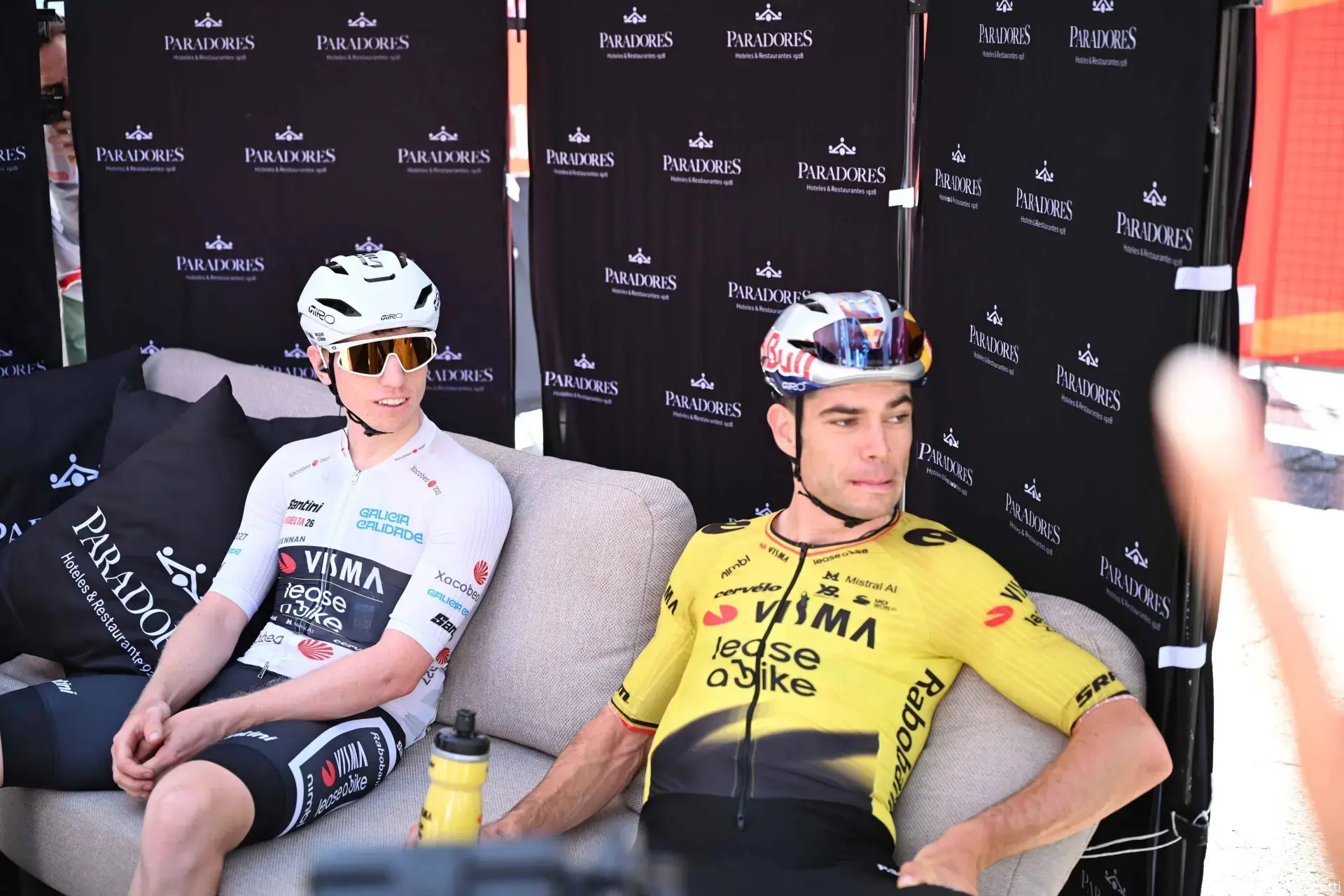
Tadej Pogacar has the Vuelta firmly in his grasp.
Zonneveld sees a subservient peloton
"Maybe they'll make another move at some point, but otherwise they'll keep it under control. He wants to race the way he did in the second half of the Tour: play it safe. That way, he’ll stay fresh, and he won’t have to be “on” every day to fend off attacks. He makes it clear right away: ‘Guys, you’re riding for second place,’ says Zonneveld.
"The rest of the peloton immediately reflected that sentiment. In that stage to Andorra, they were riding purely for the podium spots. Everyone accepted that, except for Felix Gall, who was still going for it. But in the end, even he was just riding for second place. Decathlon also admitted afterward that they weren’t at all focused on isolating UAE or hurting Pogačar. They simply wanted to gain an edge over the competition for the podium on those climbs,” he analyzes.
"So they just ride as if that one cyclist in the red isn't even in the race. It’s a grim reality, but the illusion that Pogačar can be beaten has completely vanished among the competition. That sense of fooling yourself and believing in the impossible—which is often what makes elite sports so beautiful—is simply gone here. There are very few riders who believe they can challenge him, and the men who actually can aren’t racing in this Vuelta,” he says, referring, among others, to Jonas Vingegaard.

David Bavin-HobbsChief Editor
David has been working in the sports & cycling industry for 16 years. Covering racing, business and technology, he has worked in communications for cycling companies, teams, and as a journalist. His proudest achievement is winning the first bike race he ever entered. He hasn't won a race since.
IDL-productions
Rumours, speculation and guesswork: 2027 Tour de France route will be revealed live on October 22 in Paris
Vollering adds the Women’s European Championships road race jersey to her rainbow wardrobe
16-day Grand Tours, AI, VAR, drones and more: The UCI's new document has a potentially major impact from 2029 onwards
Quinn Simmons' Strava shows exactly what it takes to compete at the World Championships: ‘I said, Hey guys, anything is possible'
Despite losing the World Championships, Del Toro and Seixas rank high mentally and physically on the Pogačar scale
Latest Cycling News
UAE and Del Toro explain Tour of Lombardy collapse with (very) few words: ‘ Proud of the efforts in Italy’
Il Lombadria Strava analysis shows 2026 Paul Seixas outshines 2022 Tadej Pogačar on the Civiglio
He won Paris-Roubaix but never turned pro: this is the new gravel world champion
Florian Vermeersch can’t defend Gravel World Championship title: ‘There’s nothing more to say about that’
Michael Vanthourenhout wins the opening HG Cyclocross round at Dendermonde as Pauwels Sauzen dominate
Popular Cycling News
🎥 Women's Gravel World Championships shaken by a serious crash involving Unbound runner-up
In the style of Tadej Pogačar, record breaking Paul Seixas wins the 2026 Tour of Lombardy
Marianne Vos wins the 2026 Women's Gravel World Championships after crash-filled race
2026 Il Lombardia Preview | Evenepoel, Del Toro, Seixas and Pidcock all fight to win Pogacar’s crown
2026 Gravel World Championships Elite Men's Preview | Florian Vermeersch vs the dominant Specialized trio
Latest Comments
- What a year for Del Toro. Future Grand Tour winner, surely.patriciaw11-10-2026
- Why did UAE make him team leader if they already knew the knee was bothering him? Seems like a strange decision.lindae11-10-2026
- Seixas really blew the race apart on the Civiglio. Del Toro’s 28th looks poor on paper, but context matters here. One bad day doesn’t erase the season he’s had.cyclechamp4511-10-2026
- McNulty’s fifth in the rainbow jersey was excellent, but it’s a bit odd that the team didn’t even mention Del Toro’s problems. If the knee was still hurting, riding the final climbs must have been brutal.robert6511-10-2026
- Tough way to finish the season, especially with the knee trouble and all that travel. Del Toro has had an incredible 2026 though—winning the UAE Tour and Tirreno-Adriatico before taking third at his first Tour de France is huge. Hopefully he gets a proper rest.gearguru3311-10-2026
- Why is the Chrono des Nations only “three-quarters of an hour”? Is that the usual length of the time trial, or just an estimate?sprocketspiny10-10-2026
- Great ride from Seixas, but I’m slightly surprised Evenepoel couldn’t follow when the pace went up. Was it simply fatigue, or did the climb not suit him this year?cyclechamp4510-10-2026
- Heavy legs after such a long season, yet he still wins the sprint for fourth. That’s a proper professional mentality. Best of luck at the Chrono des Nations.julien10-10-2026
- Seixas was phenomenal on the Civiglio. Evenepoel’s honesty is refreshing too—fourth place on a bad day still shows just how strong he is.tourdeforce910-10-2026
- I’m a bit confused by the photo finish explanation—if the image shows time rather than distance, how can it prove who crossed first? And why was the result not explained immediately after the race?velodromevirtuoso109-10-2026
Loading