Riders' union CPA critical of night time tests, but confirm Pogačar and Vingegaard not the only riders tested
Cycling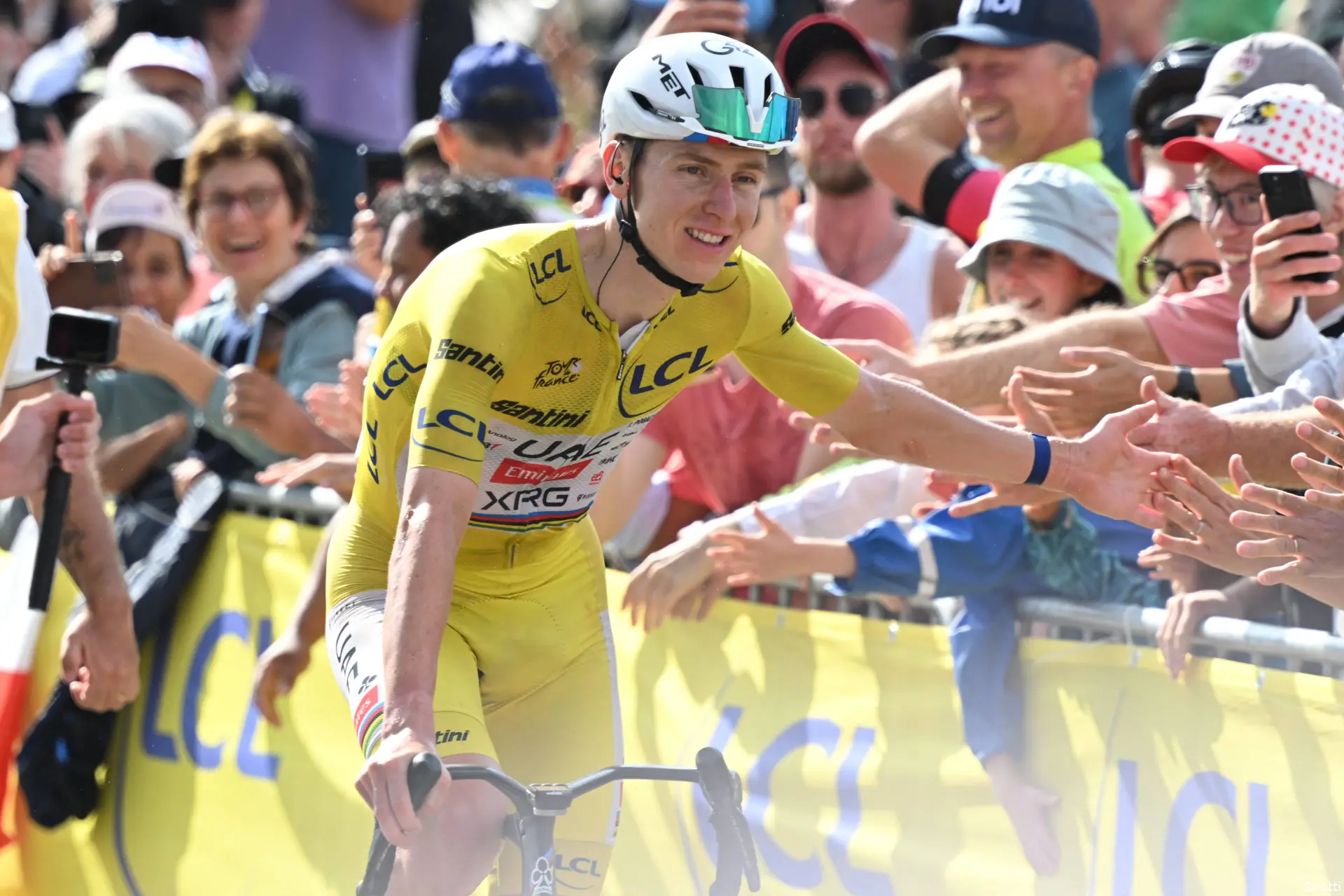
Follow IDL Pro Cycling on Google
Stay up to date with the best cycling news by making us a preferred source on Google.
Follow us on GoogleThe CPA, which stands for “Cyclistes Professionnels Associés” and is also known as the riders’ union, has reacted critically to the nighttime doping tests that Tadej Pogačar and Jonas Vingegaard were required to undergo. A statement also confirms that the Slovenian and the Dane were not the only two riders who were woken up at night.
ADVERTISEMENT
The nighttime checks have stirred up an unprecedented amount of controversy, and new reactions and developments continue to emerge. On Sunday, for example, the riders’ union issued a critical statement on X. That statement provides us with a bit more information and context.
Read also
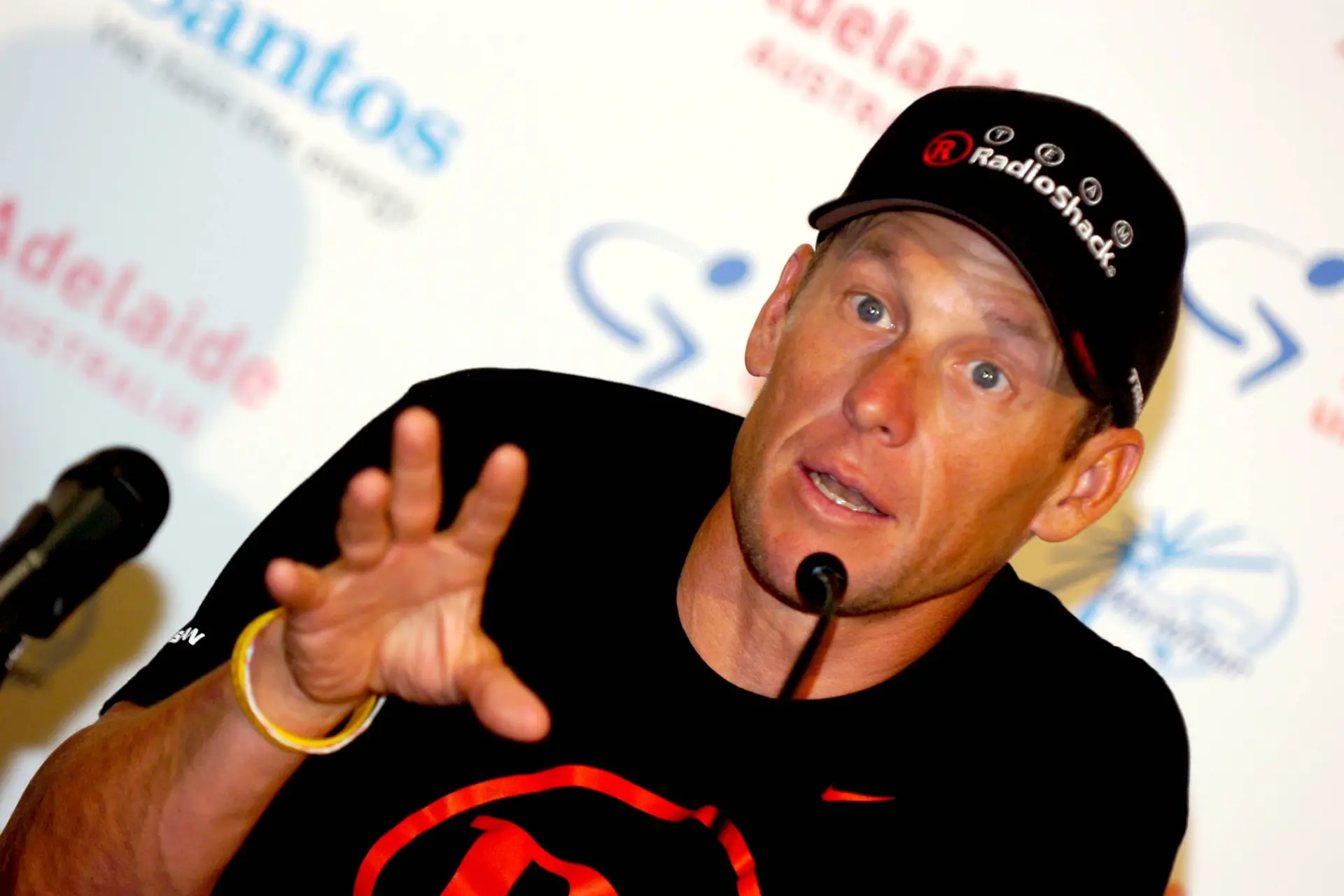
The very first sentence reads: “In response to the doping tests conducted on the night of July 18–19—on Tadej Pogačar around 5:00 a.m. and on Jonas Vingegaard around 2:00 a.m., and on other riders—the CPA, on behalf of all riders, wishes to reaffirm its full support for a strong, credible, and effective anti-doping approach.”
This confirms, then, that Pogačar and Vingegaard were not the only riders who were woken up in the middle of the night. The CPA goes on to say that it supports a clean sport and is committed to funding it, but it also raises questions about the nighttime checks.
"We also want to ensure that fairness in sports remains guaranteed for all athletes and that everyone can benefit from proper recovery. These targeted and physically demanding tests actually hinder this," according to the CPA. “An effective fight against doping is essential. An intelligent fight against doping is just as essential,” the statement concludes.
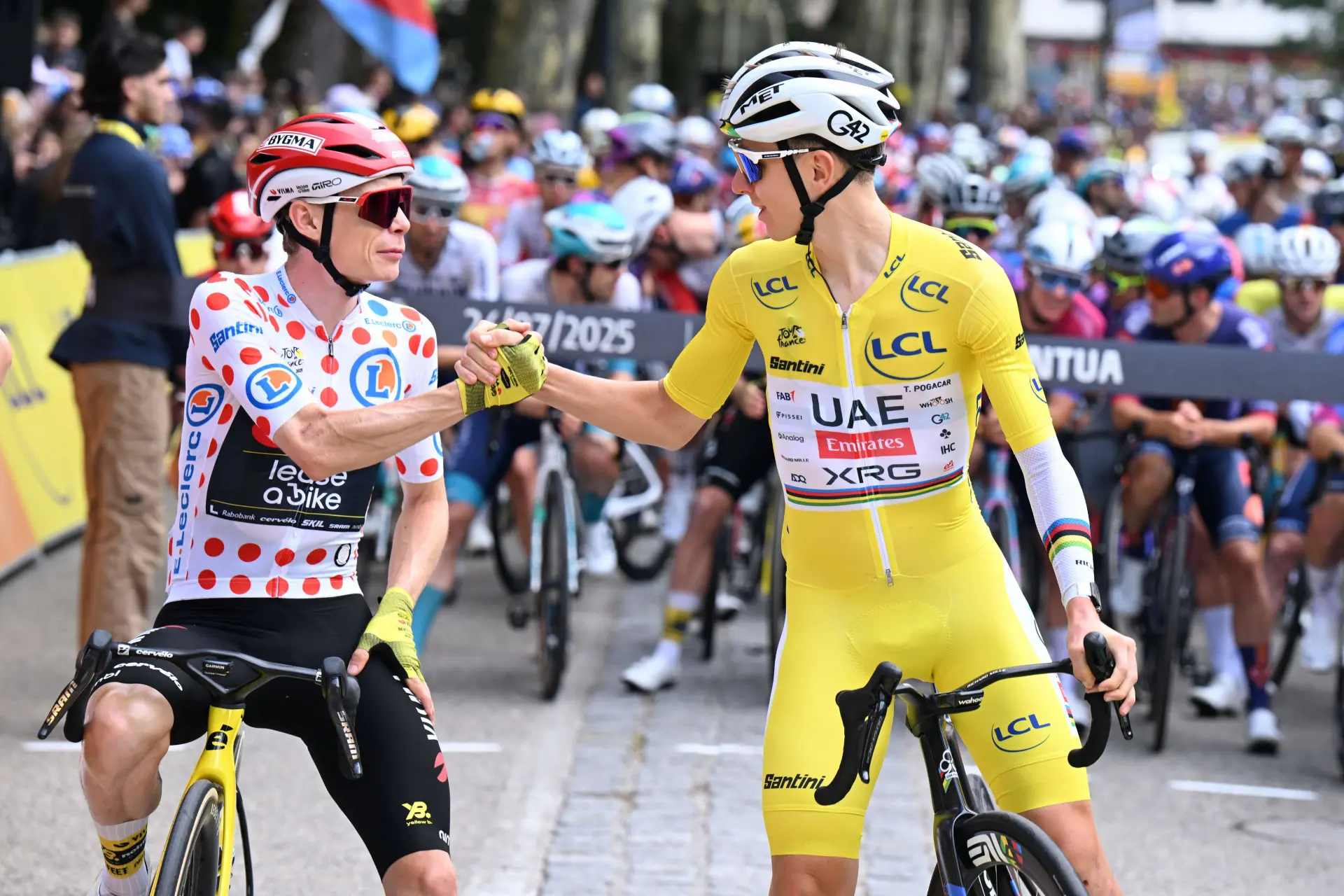
Read more below the photo!

CPA CEO Adam Hansen has prepared a detailed response
Chairman Adam Hansen then went on to express his own critical views in what could be described as a very detailed response:
"Our position is clear: the CPA is deeply disappointed with the current state of anti-doping efforts in professional cycling."
"Did you know that cyclists are the only athletes in the world who pay out of their own pockets for additional doping tests, long-term storage of samples, and data analysis? This financial burden is a direct consequence of our sport’s past. Although modern cycling is significantly cleaner today, active riders are paying for the mistakes of previous generations. Is that fair?"
"Within the SafeR initiative, members often claim that crashes happen because riders lose their concentration or look at their bike computers. But consider the human cost of the current doping system. Think about how you perform at your regular job after just four hours of sleep, or after being woken up in the middle of REM sleep at 2 a.m. for a blood test. Now imagine this happening during a Grand Tour, between two crucial mountain stages after two full weeks of racing. The pressure on your shoulders. I’m not saying this was the cause of Jonas Vingegaard’s crash, but subjecting an athlete to this during the most important race of the year, after two weeks of racing, certainly affects his daily performance or can simply linger in the back of his mind during the stage."
"It's not just about Jonas; all professional cyclists have to be available 365 days a year."
"The Hour: During their assigned hour each day, riders must be at the exact location listed in their accommodations."
"The remaining 23 hours: Outside of that one-hour window, doping control officers (DCOs) can still show up unannounced. If a rider isn’t home—because he went out to get coffee or took his child to the park—he must provide proof of where he was and why. Failure to prove their whereabouts can be recorded as a missed doping test. Riders are terrified of missing a doping test. I’ve seen cases where users had to obtain a statement from restaurant owners—along with the receipt—stating that they were out to dinner and not at home during their designated time slot. So how are they supposed to get a written statement from their 3-year-old child if the child went to the park?"
"To make matters worse, the ADAMS app—which users are required to use to submit their location data—is known for technical issues and frequent outages."
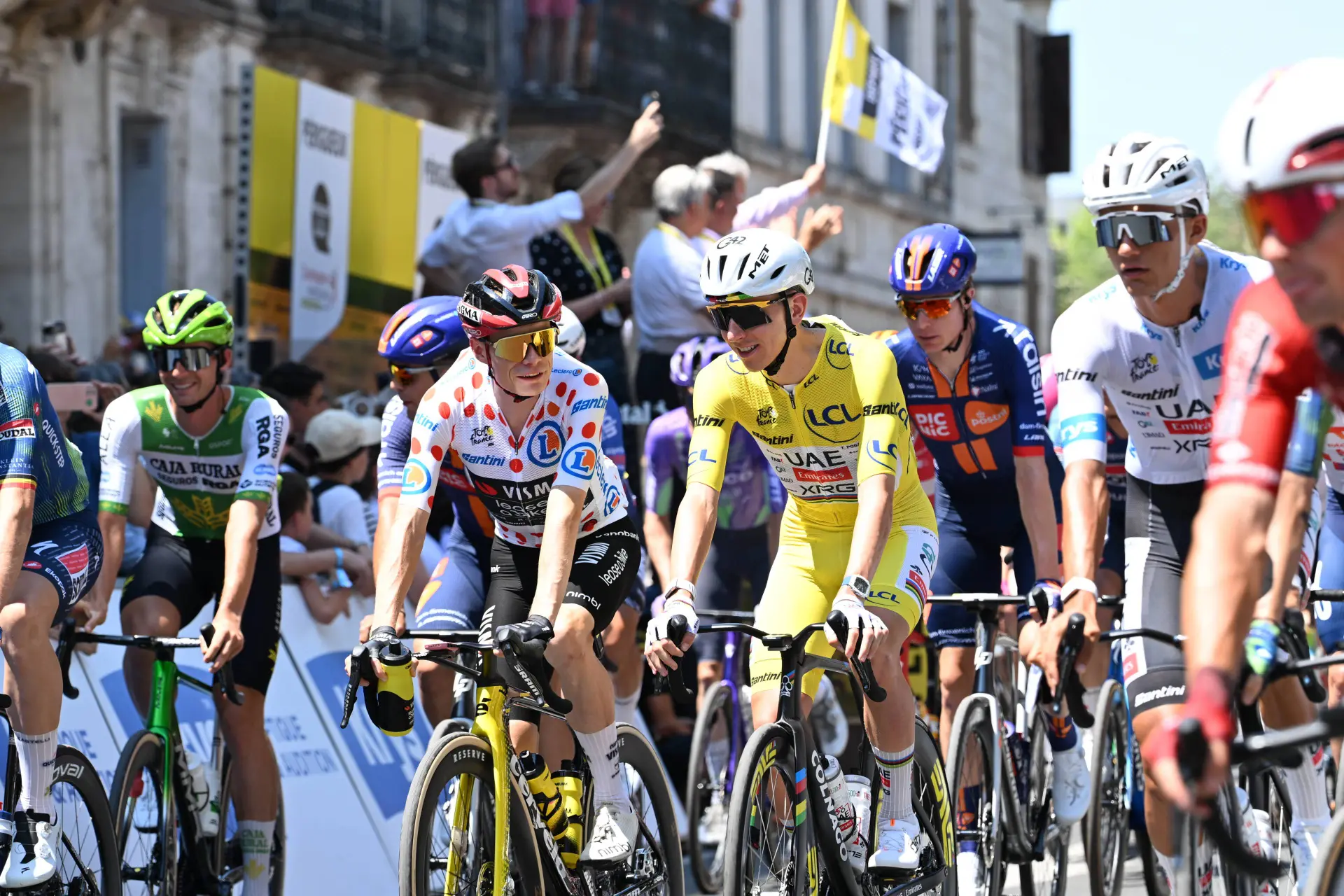

Riders' Union: 'We have repeatedly argued that more tests are not the solution'
"We have said: quality over quantity. Users fund the ITA directly, and we have repeatedly argued that more tests are not the solution, but a waste of resources. Instead, those resources should be invested in upgrading the testing equipment in the laboratories."
"Currently, equipment standards vary by accredited laboratory. Some are much more advanced in detecting traces of banned substances than others. We want an approach that prioritizes quality over quantity, using state-of-the-art laboratory equipment capable of detecting even the smallest traces of banned substances. This means fewer but more accurate tests that identify actual cheaters while reducing the constant harassment of honest users."
"If progress is made in testing technology, this would extend the detection window for banned substances. This would lead to a more efficient approach, eliminating the need for these tests in the middle of the night, reducing the stress and workload on riders, and increasing the likelihood of catching cheaters."
"But this isn’t the direction things are heading. The funding won’t be used to improve laboratory equipment, but to increase the number of tests, monitor data, and all that sort of thing—which means more work and stress for the riders. They’re already having a hard enough time. We want doping offenders to be caught; we don’t want to bother clean riders; and we want to see a report showing that the total number of tests is increasing year after year, with fewer positive results."
"We need to ask ourselves whether we want to continue contributing to a system that isn't becoming more efficient, that tracks down cheaters, causes less trouble for clean athletes, and doesn't treat riders like criminals."
Read also
David Bavin-HobbsChief Editor
David has been working in the sports & cycling industry for 16 years. Covering racing, business and technology, he has worked in communications for cycling companies, teams, and as a journalist. His proudest achievement is winning the first bike race he ever entered. He hasn't won a race since.
IDL-productions
Team GB dominate, China on the rise, Lavreysen the best ever? Five takeaways from the 2026 Track World Championships
Track World Championships day 2: A golden day for Team GB, Levreysen goes 2 for 2, and Kopecky eliminates the competition
Rumours, speculation and guesswork: 2027 Tour de France route will be revealed live on October 22 in Paris
Vollering adds the Women’s European Championships road race jersey to her rainbow wardrobe
16-day Grand Tours, AI, VAR, drones and more: The UCI's new document has a potentially major impact from 2029 onwards
Latest Cycling News
Greg LeMond on Pogačar, Seixas and living with cancer: 'He is the next Hinault'

Marcel Kittel, Wout van Aert, and Marianne Vos partied at a cycling festival in Ibiza: 'To avoid a major hangover'
Wiggins Jr. gets his call up to the Jayco AlUla WorldTour team, alongside 3 other emerging talents
No free live Tour de France for the UK until at least 2033, despite British Grand Départ in 2027
Young German talent leaves Red Bull-BORA-hansgrohe for more opportunities: 'I want to win again'
Popular Cycling News
Marcel Kittel, Wout van Aert, and Marianne Vos partied at a cycling festival in Ibiza: 'To avoid a major hangover'
On the final race day of 2026, Tadej Pogacar reveals his goals for 2027
McNulty finally flies the rainbow flag and ends his season on a high at the Veneto Classic
Greg LeMond on Pogačar, Seixas and living with cancer: 'He is the next Hinault'
Wiggins Jr. gets his call up to the Jayco AlUla WorldTour team, alongside 3 other emerging talents
Latest Comments
- - The bike may be quick, but the article seems a bit too ready to credit the equipment for the result. Remco’s the one producing those watts—though I’ll admit, two minutes is a pretty convincing test ride.jennifer1918-10-2026
- - I’m still learning how time trials work: if Evenepoel caught Jay Vine, does that mean Vine started earlier, and do riders set off at fixed intervals?tourdeforce918-10-2026
- - A flat Tour TT on these roads would be brilliant viewing. Wide, fast courses really let the specialists show what they can do.davidm18-10-2026
- - Fourteen wins in a season is some going. He sounded focused on his own effort rather than the riders ahead, which is exactly the mindset you want in a race against the clock.michael5418-10-2026
- - Catching Vine and putting over two minutes into him is an enormous statement. That new Specialized clearly suits Remco—keen to see how it performs over a longer Tour time trial.raceready718-10-2026
- I’m still trying to understand the history here—why was insulin being used alongside amphetamines? Was that common in cycling at the time?cyclechamp4518-10-2026
- Hard to take the article’s “recovered” line at face value when it ends by raising concerns about team entourages. Cycling has made huge changes, but scrutiny still matters.velodromevirtuoso118-10-2026
- The detail about riders deliberately pushing him off the road is shocking. Do we know whether anyone ever faced consequences for that?pedalpowe2918-10-2026
- Bassons’ story is a grim reminder of what speaking up could cost in that era. Fair play to him for holding his ground when it meant being isolated by his own team.tourdeforce918-10-2026
- I’m still learning how team contracts work: if Barguil had ended his deal before 2018, could the team have left him out of the Tour, or was his place already agreed?sprocketspiny18-10-2026
Loading


