Testing agency ITA refutes Mohoric's allegations about nighttime doping controls: 'Independent of external influences'
Cycling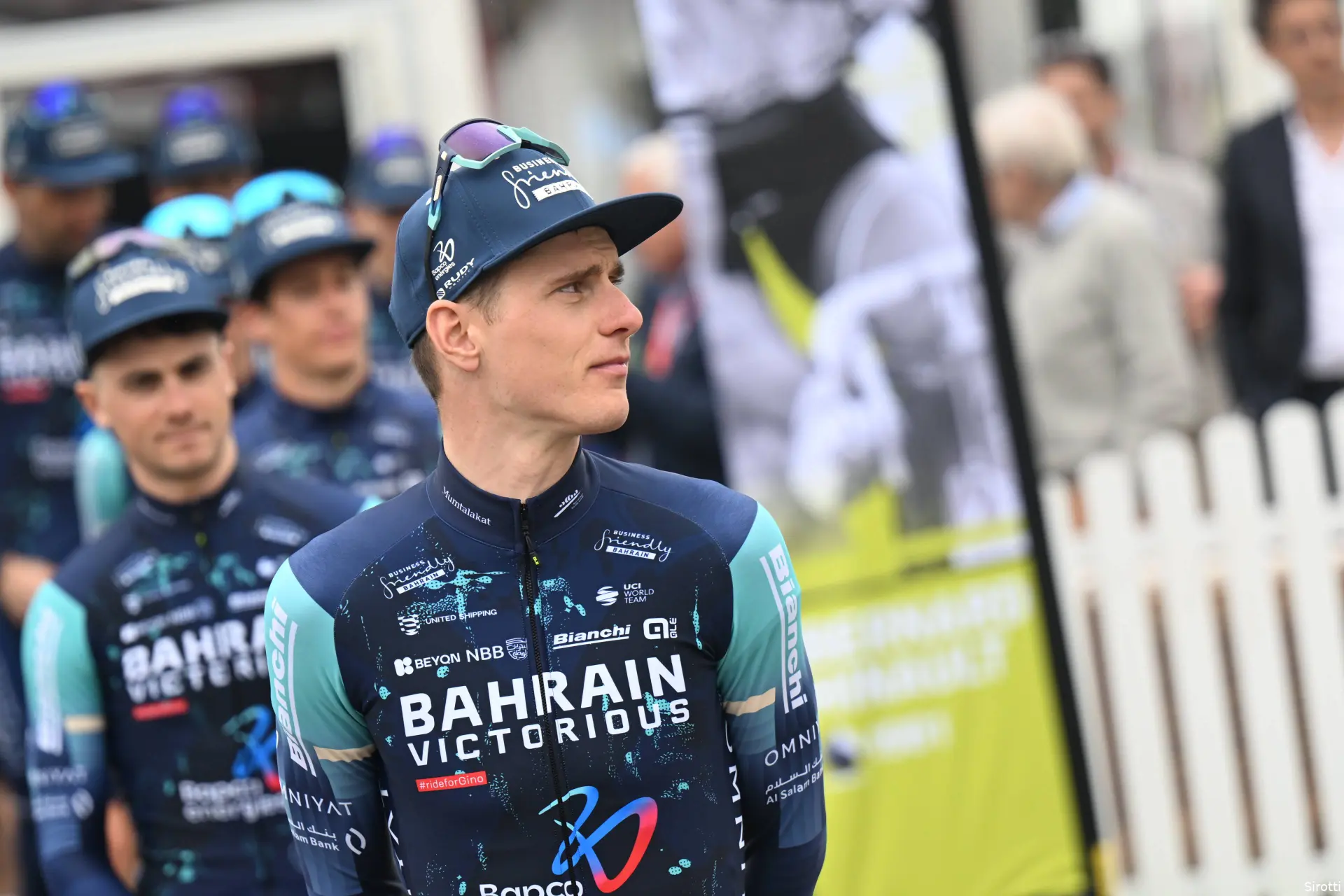
Follow IDL Pro Cycling on Google
Stay up to date with the best cycling news by making us a preferred source on Google.
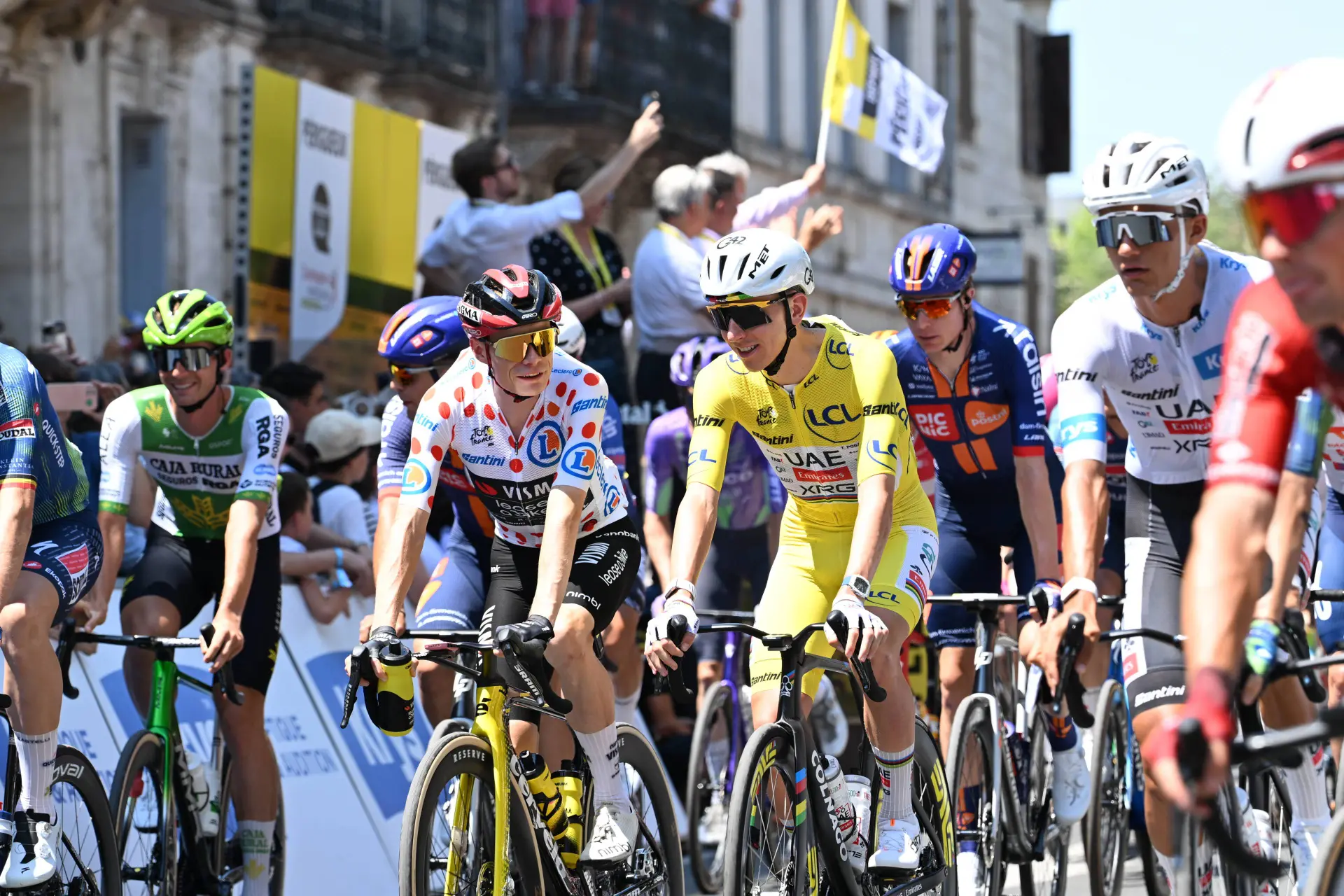
Follow us on GoogleIt may well be the story of the 2026 Tour de France: the nighttime doping tests on Jonas Vingegaard and Tadej Pogacar on the night from Saturday to Sunday. There’s been a lot of talk about it already , but reactions have rarely been as specific as Matej Mohoric’s. The Slovenian has his own theory ready and is voicing aloud what some were already thinking. The ITA subsequently refuted that.
ADVERTISEMENT
On Tuesday morning, there was a new twist in the doping control story, as several riders and teams reported late doping controls on Monday evening. Not between 11:00 p.m. and 6:00 a.m., but late nonetheless. For example, Ralph Denk, team manager of Red Bull-BORA-hansgrohe, said that several riders were already asleep when they were woken up for a test.
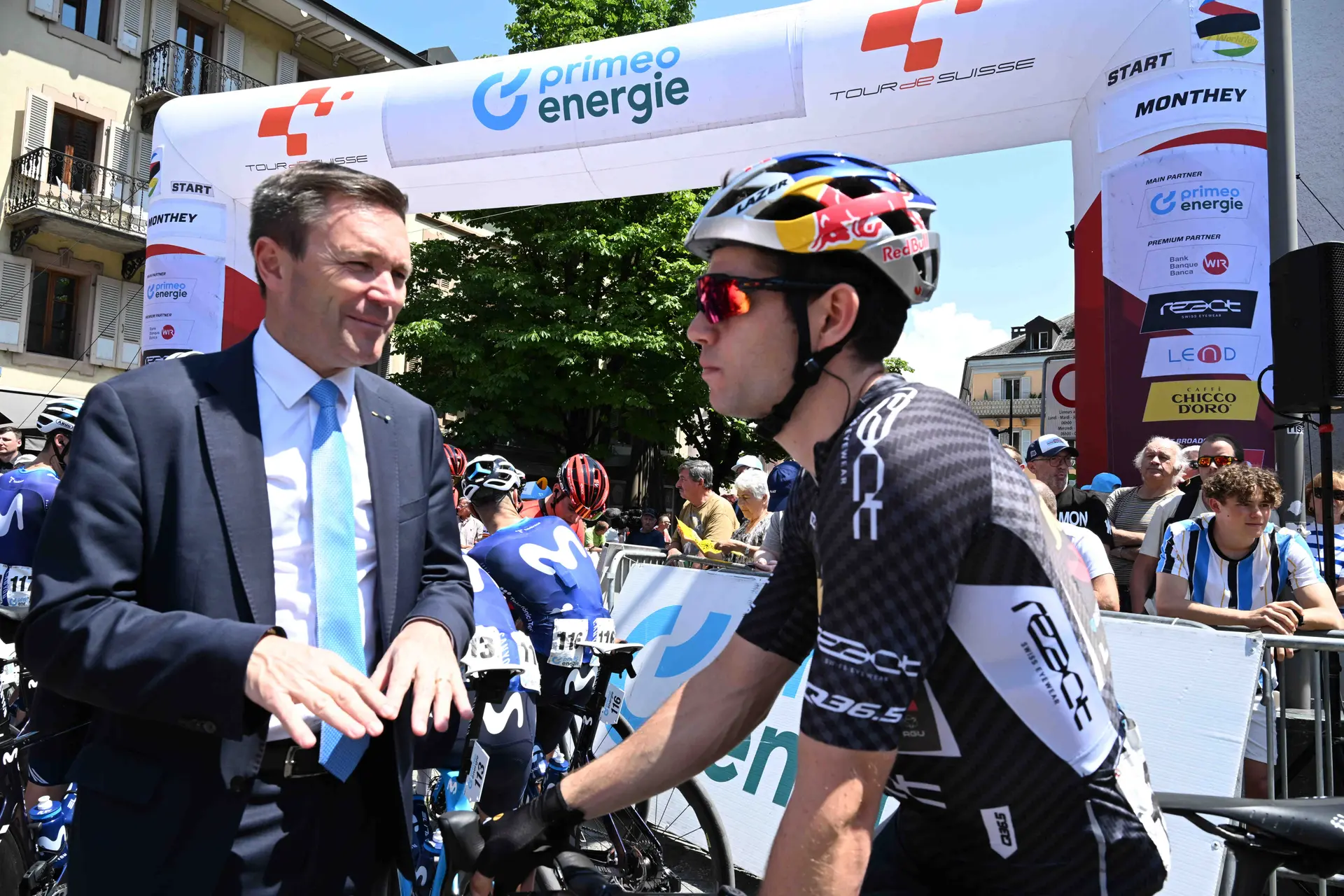
Enter Matej Mohoric, who firmly stated his case on the subject in an interview with the Slovenian outlet Siol . At Bahrain Victorious, they were also woken up (very) early in the morning for a doping test during the Tour. “For us, this is a bit uncomfortable; it disrupts our rest and takes a lot of energy.”
"I also had a doping test once at 5 a.m., which for us is practically the middle of the night, because we go to bed at midnight since the stages end late, and we have breakfast at 10 a.m.," Mohoric explained. The Slovenian has a theory about the underlying reason.
Read more below the photo!

Mohoric: ‘We know the Frenchman didn’t undergo this check’
According to the rules, a nighttime doping test would only be permitted in cases of “serious and consistent suspicions” of doping, but Mohoric believes there is another reason. "The fact is that the agency conducting the doping tests has a fairly large budget and has to justify it somehow. So I think it’s a commercial matter."
"They have to prove that they're doing their job and ensure that the sport is clean and fair," was the argument. Like EF team boss Jonathan Vaughters, Mohoric also recognizes that cycling's past continues to have consequences. "We're paying for cycling's past."
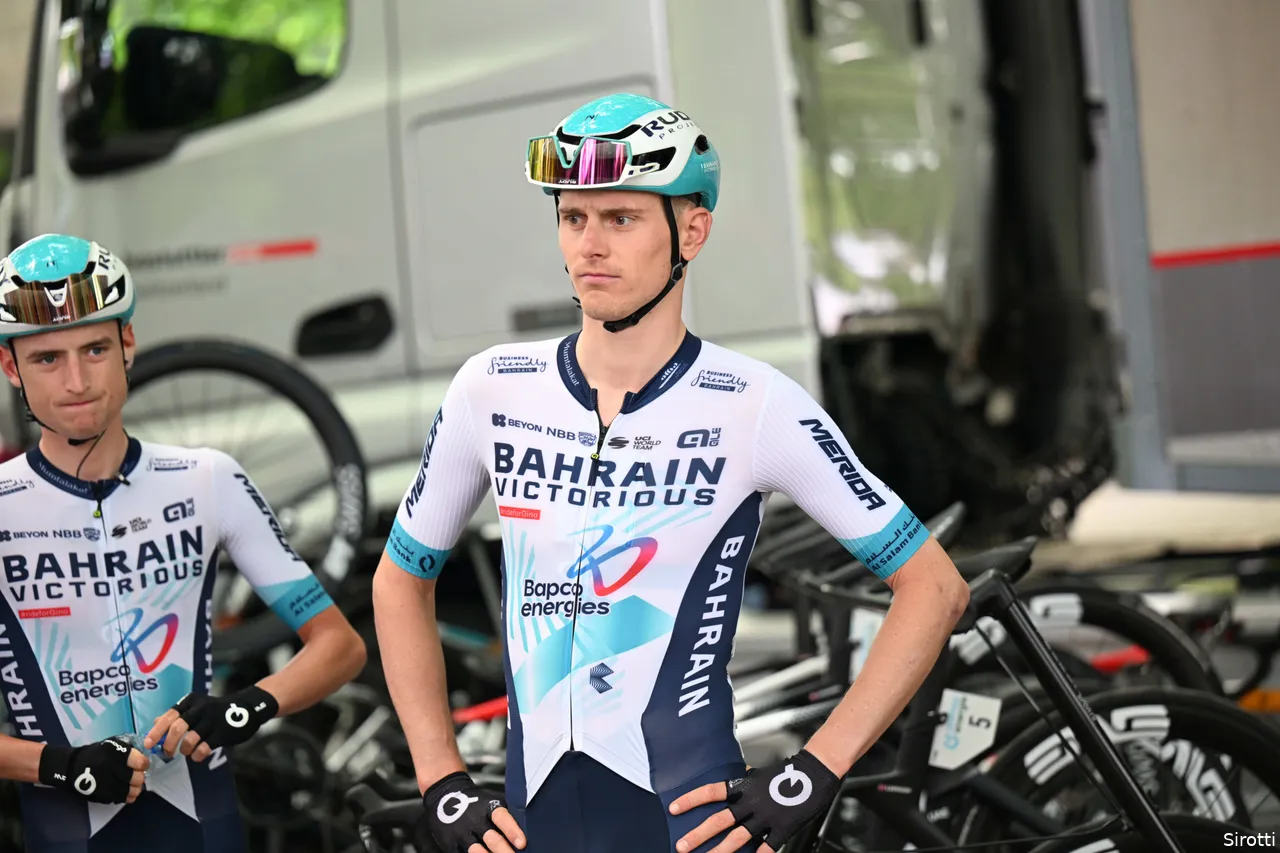
Still, the Bahrain Victorious rider struck a more critical note. “Nevertheless, it would be good to have human limits—or at least to ensure that the rules are the same for everyone—because we know that the Frenchman, who is high in the general classification, didn’t undergo this check,” he said, referring to Paul Seixas. Some had already suspected it, but Mohoric is simply saying it out loud.
Anti-doping agency ITA responds to Mohoric’s comments
It is precisely this statement that the ITA has responded to, via a statement to The Guardian. In it, the ITA denies any favouritism towards Seixas. ‘The ITA is responsible for the anti-doping programme strategy for the Tour de France, not the AFLD (the French anti-doping agency, ed.). We have our own staff for the doping controls.’
"The AFLD may occasionally support the ITA with additional staff for doping controls, if necessary, for example during the testing mission on Monday evening, but the decision as to who is tested and when remains with the ITA," the communiqué went on to state.
The testing agency also stated: ‘Our decisions are based on facts, risk assessments, performance, scientific findings and insights, intelligence and investigations, as well as data analysis. This approach enables us to act as accurately and impartially as possible, independent of external influences, political interests or opinions.’
Read also

David Bavin-HobbsChief Editor
David has been working in the sports & cycling industry for 16 years. Covering racing, business and technology, he has worked in communications for cycling companies, teams, and as a journalist. His proudest achievement is winning the first bike race he ever entered. He hasn't won a race since.
IDL-productions
Team GB dominate, China on the rise, Lavreysen the best ever? Five takeaways from the 2026 Track World Championships
Track World Championships day 2: A golden day for Team GB, Levreysen goes 2 for 2, and Kopecky eliminates the competition
Rumours, speculation and guesswork: 2027 Tour de France route will be revealed live on October 22 in Paris
Vollering adds the Women’s European Championships road race jersey to her rainbow wardrobe
16-day Grand Tours, AI, VAR, drones and more: The UCI's new document has a potentially major impact from 2029 onwards
Latest Cycling News
Greg LeMond on Pogačar, Seixas and living with cancer: 'He is the next Hinault'
Marcel Kittel, Wout van Aert, and Marianne Vos partied at a cycling festival in Ibiza: 'To avoid a major hangover'
Wiggins Jr. gets his call up to the Jayco AlUla WorldTour team, alongside 3 other emerging talents
No free live Tour de France for the UK until at least 2033, despite British Grand Départ in 2027
Young German talent leaves Red Bull-BORA-hansgrohe for more opportunities: 'I want to win again'
Popular Cycling News
Marcel Kittel, Wout van Aert, and Marianne Vos partied at a cycling festival in Ibiza: 'To avoid a major hangover'
On the final race day of 2026, Tadej Pogacar reveals his goals for 2027
McNulty finally flies the rainbow flag and ends his season on a high at the Veneto Classic
Greg LeMond on Pogačar, Seixas and living with cancer: 'He is the next Hinault'
Wiggins Jr. gets his call up to the Jayco AlUla WorldTour team, alongside 3 other emerging talents
Latest Comments
- - The bike may be quick, but the article seems a bit too ready to credit the equipment for the result. Remco’s the one producing those watts—though I’ll admit, two minutes is a pretty convincing test ride.jennifer1918-10-2026
- - I’m still learning how time trials work: if Evenepoel caught Jay Vine, does that mean Vine started earlier, and do riders set off at fixed intervals?tourdeforce918-10-2026
- - A flat Tour TT on these roads would be brilliant viewing. Wide, fast courses really let the specialists show what they can do.davidm18-10-2026
- - Fourteen wins in a season is some going. He sounded focused on his own effort rather than the riders ahead, which is exactly the mindset you want in a race against the clock.michael5418-10-2026
- - Catching Vine and putting over two minutes into him is an enormous statement. That new Specialized clearly suits Remco—keen to see how it performs over a longer Tour time trial.raceready718-10-2026
- I’m still trying to understand the history here—why was insulin being used alongside amphetamines? Was that common in cycling at the time?cyclechamp4518-10-2026
- Hard to take the article’s “recovered” line at face value when it ends by raising concerns about team entourages. Cycling has made huge changes, but scrutiny still matters.velodromevirtuoso118-10-2026
- The detail about riders deliberately pushing him off the road is shocking. Do we know whether anyone ever faced consequences for that?pedalpowe2918-10-2026
- Bassons’ story is a grim reminder of what speaking up could cost in that era. Fair play to him for holding his ground when it meant being isolated by his own team.tourdeforce918-10-2026
- I’m still learning how team contracts work: if Barguil had ended his deal before 2018, could the team have left him out of the Tour, or was his place already agreed?sprocketspiny18-10-2026
Loading