The rise of live streaming and digital connectivity in modern cycling
CyclingThursday, 28 May 2026 at 11:12
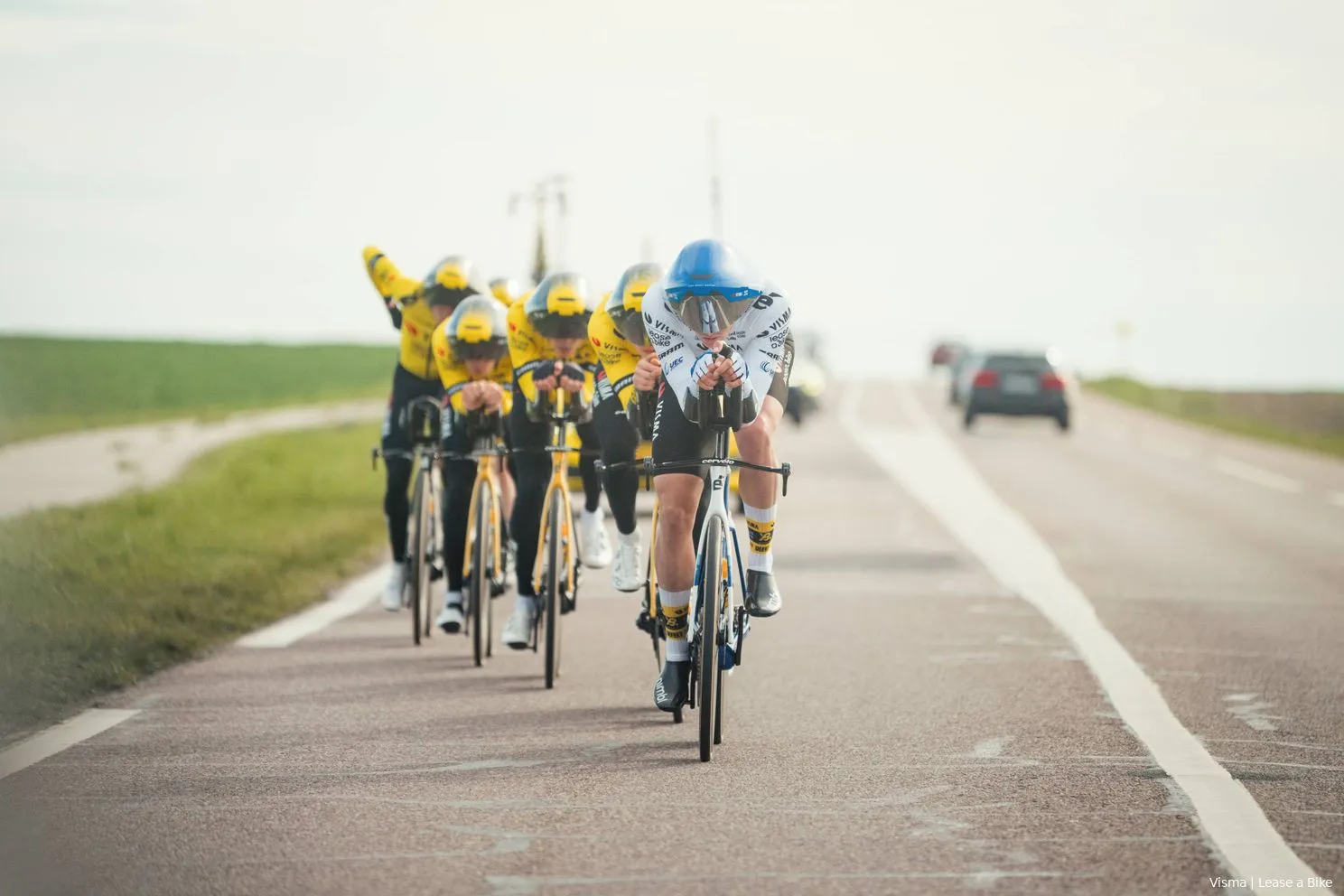
Professional cycling used to reach audiences in fragments. A race unfolded across mountain roads and coastal stretches, yet most viewers only encountered it through brief television highlights, radio commentary, or next-day newspaper reports that reduced entire stages into a few decisive moments.
ADVERTISEMENT
Everything in between was largely invisible, and that gap has narrowed significantly. Live streaming, onboard cameras, real-time data overlays, and constant social media updates now bring races into a continuous digital feed that follows riders through climbs, crashes, breakaways, and tactical shifts as they happen.
Cycling has become one of the clearest examples of how endurance sport adapts when broadcasting stops being fixed to television schedules and becomes fully networked.
With that in mind, this article looks at how digital connectivity reshaped modern cycling coverage, why live streaming changed audience engagement, and how technology now sits inside both the viewing experience and the sport itself.
Connectivity Challenges Shaped the Modern Viewing Experience
As cycling coverage became more data-heavy and globally distributed, issues around connection stability, access restrictions, and regional broadcasting differences became more visible.
This is where secure and stable connectivity becomes part of the viewing experience itself, especially for users who rely on consistent access to live streams while travelling or switching between networks. You can check ExpressVPN's official site and use it as a starting point for understanding how encrypted connections work in practice, particularly when access varies across regions or networks during live sports coverage.
Fans watching races across different countries often encounter varying levels of stream quality, delayed feeds, or limited access to specific race coverage depending on broadcasting rights. That fragmentation has led to greater awareness around digital access tools, particularly for audiences who follow cycling closely throughout the season.
Digital accessibility and connectivity tools can be seen in broader discussions on online infrastructure, including topics explored through digital access environments and communication systems and connectivity platforms, which highlight how online reliability has become increasingly central to user experience across multiple industries.
Cycling Became a Constant Digital Broadcast
Modern cycling coverage no longer depends on waiting for television highlights at the end of a stage. Fans now follow races through live data feeds, GPS tracking, split times, rider positioning, and commentary delivered in real time across multiple platforms.
That constant visibility changed how audiences experience the sport. Instead of a single edited narrative, viewers now see unfolding strategy, unpredictable pacing, and shifting race dynamics as they happen on screen.
Coverage of major tours such as the Giro d’Italia illustrates this clearly, particularly in stages where tactical decisions play out second by second, as seen in stage previews and race analysis that follow riders across demanding terrain.
Even incident-heavy stages, such as those involving penalties or mid-race disruptions, now circulate instantly across digital platforms. Race penalty breakdowns also show how quickly competitive narratives shift once live information becomes widely accessible. The result is a viewing culture built around immediacy rather than delay.
Streaming Technology Changed Audience Expectations
As live streaming improved, so did audience expectations around access, depth, and continuity.
Fans no longer rely solely on highlight packages. Many now expect uninterrupted coverage, multiple camera angles, rider telemetry, and commentary that follows the race in real time rather than summarising it afterwards. Cycling fits this format naturally because its structure allows long periods of steady movement interrupted by short bursts of decisive action.
The table below outlines how cycling viewership changed with digital streaming adoption:
| Earlier Viewing Model | Current Viewing Model |
| Post-race highlights | Live stage streaming |
| Television-only coverage | Multi-platform digital feeds |
| Delayed race analysis | Real-time commentary |
| Limited rider data | Continuous telemetry tracking |
| Fixed broadcast schedules | On-demand viewing access |
The shift has also altered how fans engage with strategy. Breakaways, pacing decisions, and team coordination now become visible processes rather than abstract commentary points delivered after the race has ended.
Digital Access Became Part of Race Culture
Cycling audiences increasingly interact with the sport through multiple digital layers at once. A single stage may involve watching live footage, tracking GPS positions, reading race commentary, and following team updates across social platforms simultaneously.
That level of connectivity has reshaped how fans interpret performance. Riders are no longer observed only through final results, but through ongoing data that reveals effort, positioning, and decision-making throughout the race.
Cycling and endurance culture analysis also highlight how deeply cycling now intersects with broader lifestyle trends, including health tracking, digital engagement, and everyday fitness culture that extends beyond professional sport.
At the same time, the constant flow of information has created a need for more stable viewing environments, particularly for audiences following races across multiple devices and networks during long stages.
Cycling Coverage Became an Ongoing Digital Layer
Modern cycling no longer exists solely as a physical sport observed at roadside barriers or through television broadcasts. It now functions as a continuous digital environment where live streaming, data feeds, and global connectivity shape how races are experienced in real time.
The sport itself remains rooted in endurance, terrain, and human performance, though the way audiences engage with it has shifted toward constant visibility and uninterrupted access. Riders move through landscapes while audiences move through data, streams, and commentary layers that follow every stage as it unfolds.
That overlap between physical performance and digital connectivity now defines how cycling is experienced far beyond the road itself.
IDL-productions
Tour Auvergne-Rhône-Alpes 2026 Stage 7 Preview | Grand Colombier set to terrify the peloton
Tour Auvergne-Rhône-Alpes 2026 Standings | Can Luke Tuckwell hold on to yellow?

These talents from the Netherlands, Belgium — but also Italy and Brazil — are ones to watch at the 2026 Giro Next Gen

Tour ambitions, racing mentality and the power of EF: yellow-clad Alex Baudin was the hero of the Dauphiné for days
Visma | Lease a Bike responds after Van Aert leaves Tour Auvergne-Rhône-Alpes: “Not good news for the Tour”
Latest Cycling News
Tour Auvergne-Rhône-Alpes 2026 Preview | GC turned upside down with one day to go
Tour Auvergne-Rhône-Alpes 2026 Stage 7 Preview | Grand Colombier set to terrify the peloton
Juan Ayuso impresses but is mainly angry and disappointed: “Why? Because I was stupid”
Tour Auvergne-Rhône-Alpes 2026 Standings | Can Luke Tuckwell hold on to yellow?
Pogačar will have liked what he saw from Del Toro and Seixas in Tour Auvergne-Rhône-Alpes mountain stage
Popular Cycling News
Tour Auvergne-Rhône-Alpes 2026 Preview | GC turned upside down with one day to go
Tour Auvergne-Rhône-Alpes 2026 Standings | Can Luke Tuckwell hold on to yellow?
UAE riders dropping like flies — who will support Tadej Pogačar at the Tour de France?
Tour Auvergne-Rhône-Alpes 2026 start list | Fourteen more riders out of the race
Matteo Jorgenson shaken after seeing Oscar Onley “fly over the guardrail”: “I was a bit shocked”
Latest Comments
- - Van Aert saying this was his last realistic chance before the mountains and then delivering is peak Wout. If he’s already sprinting like this, can’t wait to see what he does on those punchy mountain finishes later in the week.raceready711-06-2026
- - Interesting contrast with stageyesterday’s break survives, today the teams don’t give them an inch. Bahrain, Tudor, and Visma clearly learned their lesson. Reinderink looked lively though — Soudal are getting him in the right moves.tourdeforce911-06-2026
- - Feel a bit bad for INEOS there — Tarling had the legs but that move totally boxed in Godon. Classic chaos in the final kilometre. Still, Hofstetter sneaking into second was impressive given how Visma controlled everything.sprocketspiny11-06-2026
- - What a clinic from Visma | Lease a Bike. Affini’s lead-out was ice-cold and Van Aert finished it off perfectly. You can tell he’s sharpening up for the Tour — picking his moments, staying patient, then boom. Also, shout-out to Armirail for that monster pull with 3 km to go.velodromevirtuoso111-06-2026
- - Quinn Simmons deserved the win—break had real horsepower—but I’m already excited for the next stages. If Visma gets their preferred scenario (smaller break), Wout’s right there for a proper shot. Great read, thanks Gauthier!pedalpowe2910-06-2026
- - The honesty from Wout is refreshing. Asking the team to trust him in the morning, then paying it back with legs in the finale—even if it’s only for 11th—says a lot. Paris-Roubaix winner doesn’t need to prove anything, but this shows the engine is back online.jennifer1910-06-2026
- - That was a textbook “too many in the move” scenario. Pairs up the road and half the peloton missing it—no way you bring that back without full cooperation. Still, Visma did a massive pull and Wout finished it off with the bunch sprint. Encouraging signs.bikebuffj10-06-2026
- - Loved seeing Wout smiling again. Winning the bunch sprint after the TTT struggles shows the form is coming. If he keeps building like this, the next real chance could turn into a win. Break was just stacked today.tourdeforce910-06-2026
- - The management changes are big news, but I like his perspective: day-to-day is about riders, DS, and coaches. Still, saying he’ll miss Guercilena shows maturity. If he keeps showing this level after his altitude block, I don’t see how they leave him off the Tour roster.robert6510-06-2026
- - Interesting that Wednesday wasn’t even his target stage. Sometimes the best wins come when you’re not forcing it. If Lidl-Trek is taking Ayuso and Skjelmose for GC, a Simmons in this kind of form feels like a perfect engine for break stages and tough transitional days in July.andrewf10-06-2026
Loading