
Follow IDL Pro Cycling on Google
Stay up to date with the best cycling news by making us a preferred source on Google.
Follow us on GoogleLuca Guercilena has big plans as the new Head of Cycling at RCS Sport. The organizer of Italy’s biggest races recently appointed the Italian, thereby charting a new course. Guercilena left Lidl-Trek and shared his ideas through his new employer’s official channels.
ADVERTISEMENT
Guercilena knows RCS Sport’s races inside out after 16 years at the highest level with Lidl-Trek. His new portfolio includes Milan-San Remo, Il Lombardia, the Giro d’Italia and week-long stage races such as Tirreno-Adriatico. His aim is to make those events even more international while increasing their appeal to fans, riders, teams and partners around the world.
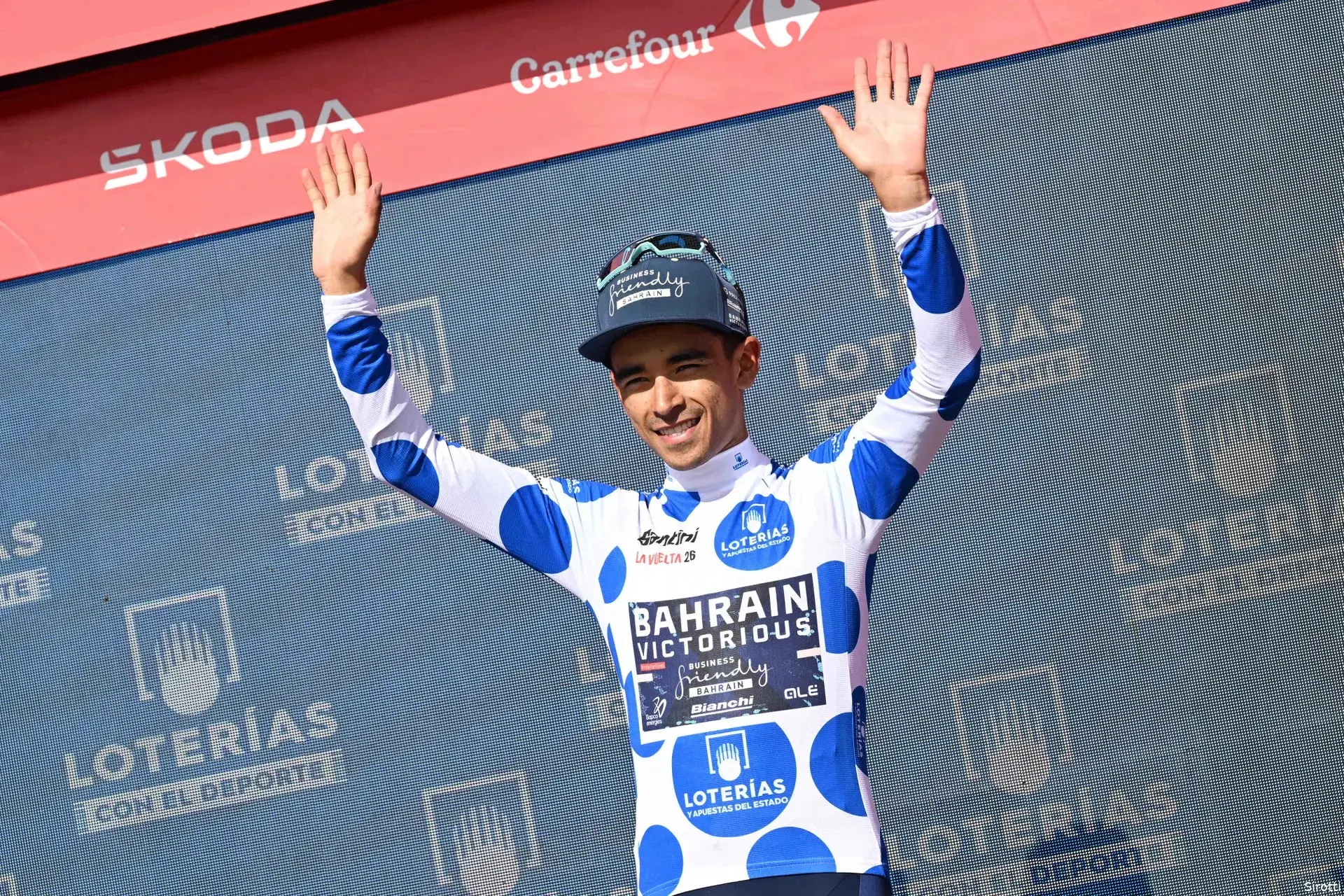
The 53-year-old will not operate as the traditional race director leaning out of a car with a flag in his hand. Guercilena will instead have a broader coordinating role behind the scenes — and, if he gets his way, a crucial one. His central idea is that the Giro should stop measuring itself against the Tour de France and instead strengthen its own identity with an attractive, balanced and well-structured route.
Read more below the photo

Jonas Vingegaard and Visma | Lease a Bike won this year's Giro d'Italia
Could the Giro d’Italia move later in the cycling calendar?
It is an ambitious idea, as Guercilena explained in Corriere della Sera, but what would it mean in practice? He would like the Giro to move later in the calendar rather than continually adapting itself around the Tour. That could reduce the risk of poor weather in the high mountains, allow the race to make greater use of Italy’s Festa della Repubblica on June 2 and put more distance between the Giro and the Belgian spring Classics. Guercilena believes that extra separation could also help the race attract a stronger field.
Does that mean riders would need to combine the Giro and Tour? Not necessarily. Guercilena believes the Giro first has to offer enough spectacle and sporting opportunity in its own right. He wants balanced routes on which climbers, sprinters and time trialists all have genuine chances to make an impact, rather than designing a course that immediately excludes entire categories of riders. Instead of chasing the biggest names individually, the aim is to create a race that naturally makes those riders want to start.
Having Tadej Pogačar on the start line is therefore not essential to Guercilena’s vision. He also wants the Giro to retain the adventurous ingredients that have helped define it in recent decades, including gravel roads, but only when safety and inclusivity can be guaranteed. A spectacular route is important, but not at any cost: in Guercilena’s view, a route decision should never effectively rule out half of the peloton before the race has even begun.


David Bavin-HobbsChief Editor
David has been working in the sports & cycling industry for 16 years. Covering racing, business and technology, he has worked in communications for cycling companies, teams, and as a journalist. His proudest achievement is winning the first bike race he ever entered. He hasn't won a race since.
IDL-productions
Team GB dominate, China on the rise, Lavreysen the best ever? Five takeaways from the 2026 Track World Championships
Track World Championships day 2: A golden day for Team GB, Levreysen goes 2 for 2, and Kopecky eliminates the competition
Rumours, speculation and guesswork: 2027 Tour de France route will be revealed live on October 22 in Paris
Vollering adds the Women’s European Championships road race jersey to her rainbow wardrobe
16-day Grand Tours, AI, VAR, drones and more: The UCI's new document has a potentially major impact from 2029 onwards
Latest Cycling News
Mads Pedersen is among athletes filing a lawsuit against HBO: 'Large sums of money'
🎥 Overtaking buses and weaving through traffic: Keeping up with Pogacar in Monaco isn't easy!
Marlen Reusser critical after 2027 Tour de France route presentation: 'Where is the Tour de France Hommes?'
Netcompany INEOS provide update on future for Egan Bernal: 'He isn’t satisfied with a tenth-place finish'
Geraint Thomas gives a surprising reason for INEOS letting Ganna go: 'I wish him the best of luck at Lidl-Trek'
Popular Cycling News
Lance Armstrong has a warning about the 2027 Tour de France route: 'Won’t make it across the English Channel'
Uno-X Mobility manager Thor Hushovd confirms contact with Jonas Vingegaard: 'He doesn’t earn that much'
Geraint Thomas gives a surprising reason for INEOS letting Ganna go: 'I wish him the best of luck at Lidl-Trek'
Marlen Reusser critical after 2027 Tour de France route presentation: 'Where is the Tour de France Hommes?'
🎥 Overtaking buses and weaving through traffic: Keeping up with Pogacar in Monaco isn't easy!
Latest Comments
- More time trials sounds good, but could Remco actually win the whole race? I thought the Tour was mostly about climbing.gearguru3323-10-2026
- If Pogačar crashed badly, does that mean he might not be fully fit for the Tour?julien23-10-2026
- Edinburgh for the Grand Départ is brilliant news. The crowds in Yorkshire were incredible, and Scotland could be just as special.pedalpowe2923-10-2026
- Froome’s point about the mountains is spot on: the extra TT distance gives the other GC contenders a real reason to race aggressively before the final climbs.tourdeforce923-10-2026
- 71km of time trialling should make things much more interesting. Remco will fancy his chances, but you can never write Pogačar off.lindae23-10-2026
- I’m still figuring out how time trials affect the overall race. If Evenepoel gains time there, will Pogačar have enough mountain stages left to make it back? The route sounds exciting, but I’m not sure how much difference 71km makes.davidm22-10-2026
- Two 223km stages in the opening week could make for a proper nervous start. Those narrow British roads and potholes might have the GC favourites watching every corner.jennifer1922-10-2026
- That Pau–Portet stage sounds absolutely savage: Tourmalet, Soulor, Hourquette d’Ancizan and then the Portet. Vingegaard should suit those long climbs, though Pogačar is hardly easy to shake.julien22-10-2026
- Seventy-one kilometres against the clock gives Evenepoel a real chance to put pressure on Pogačar, but those Pyrenean stages look brutal. Could be a cracking final week if the time gaps stay close.sprocketspiny22-10-2026
- Not sure we can call this a perfect Evenepoel route before we’ve seen the start list. Plenty of time-trialling, yes, but those Pyrenees stages look absolutely savage. Could be a great Tour, though.julien22-10-2026
Loading