Follow IDL Pro Cycling on Google
Stay up to date with the best cycling news by making us a preferred source on Google.
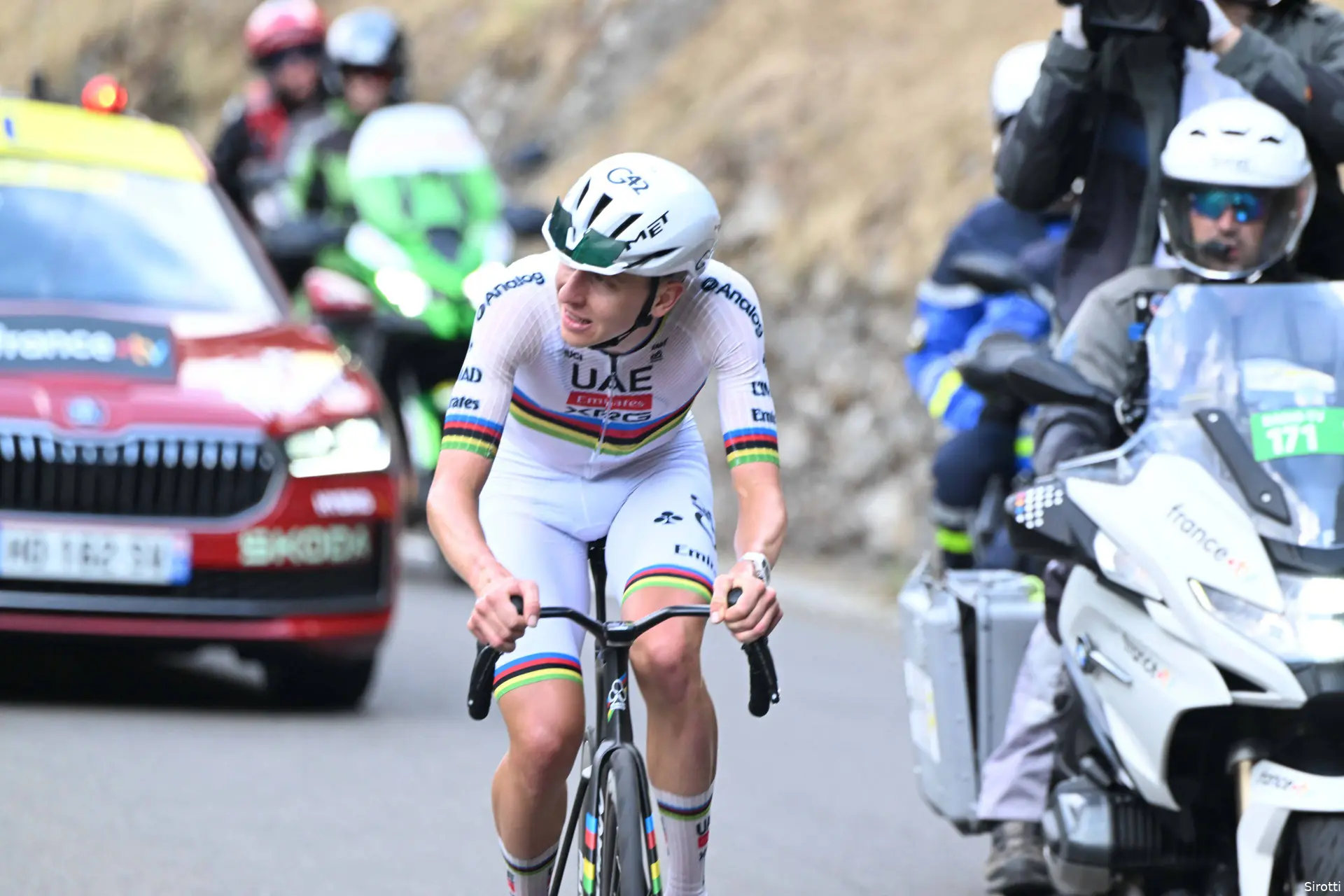
Follow us on GoogleWith an astonishing performance on and beyond the Col du Tourmalet, Tadej Pogačar has taken firm control of the Tour de France remarkably early in the race. The Slovenian from UAE Team Emirates-XRG lit up the Pyrenees and now sits comfortably in the yellow jersey. But just how exceptional was his performance? A look at the Strava data shows that Pogačar excelled in virtually every aspect of the stage.
ADVERTISEMENT
Pogačar had UAE Team Emirates-XRG control the pace on the Col d’Aspin and during the opening section of the Col du Tourmalet. The speed was already high on the first of those climbs, although not quite high enough to erase Riccardo Riccò’s record of 29 minutes and 18 seconds. The peloton completed the climb in 29 minutes and 35 seconds, while Lenny Martinez, riding slightly ahead, recorded a time of 29 minutes and 22 seconds.
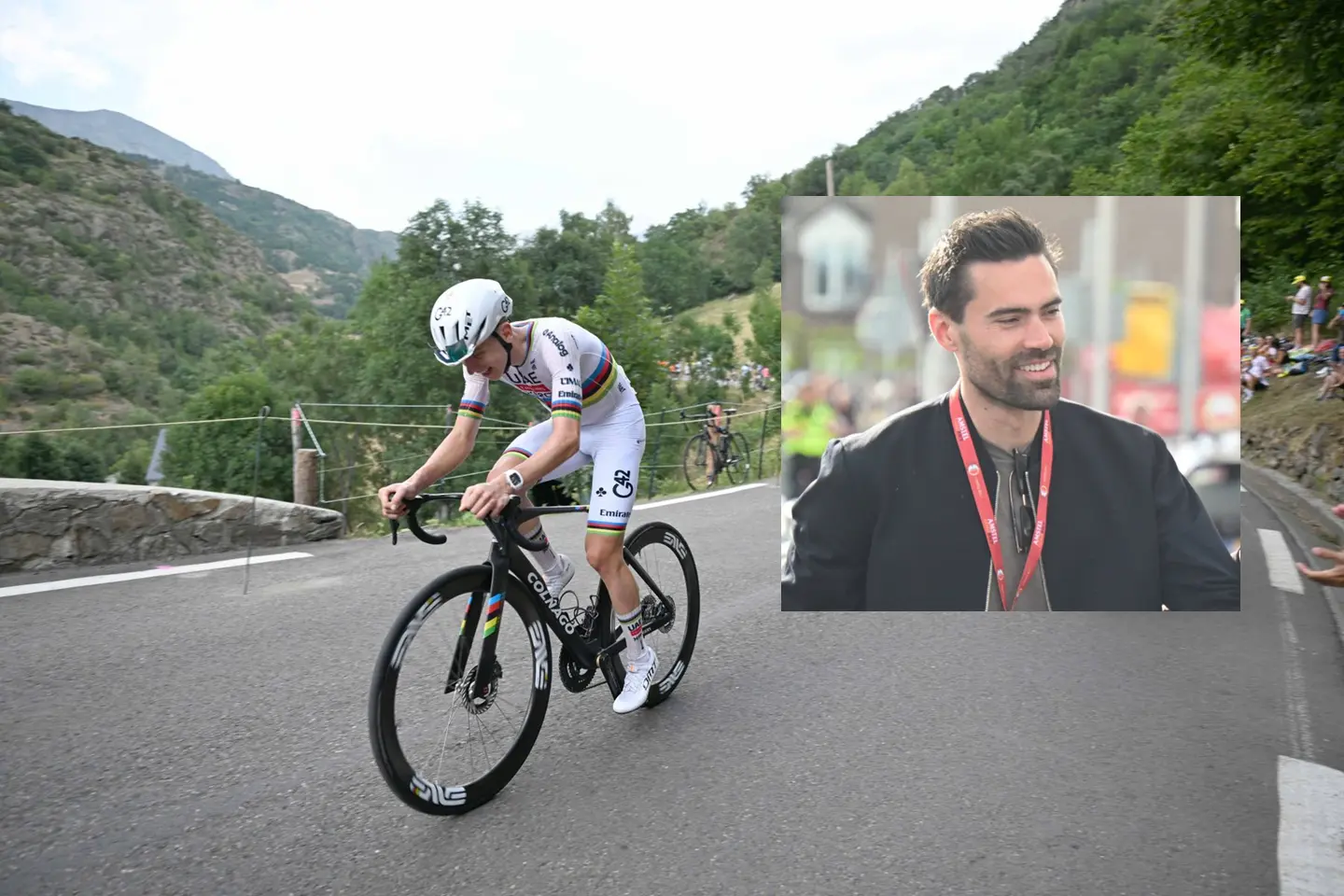
Things became truly remarkable on the Tourmalet. Starting from Sainte-Marie-de-Campan, Tim Wellens, Felix Großschartner, Brandon McNulty and Adam Yates all produced huge turns on the front before Isaac del Toro launched his team leader. Pogačar immediately left everyone behind and reached the summit 30 seconds ahead of rival Jonas Vingegaard. His time for the climb was 43 minutes and eight seconds, according to Pogačar’s Strava upload.
Read more below the photo!

Staggering times and power estimates for Pogačar
It is difficult to put Pogačar’s speed into perspective. The seven fastest times on the relevant Strava segment were all recorded during Thursday’s Tour stage. Tobias Halland Johannessen lost almost four minutes to Pogačar on the Tourmalet, yet he still rode faster than the previous KOM holder, Romain Bardet, who completed the climb in 47 minutes and four seconds in 2023.
Pogačar covered the 17.2-kilometer climb, which has an average gradient of 7.3 percent, at an average speed of 23.5 kilometers per hour. That alone underlines the extraordinary pace set by the world champion and his UAE teammates. According to calculations by Domestique, Pogačar produced an estimated 6.4 watts per kilogram for almost 45 minutes on the Tourmalet. He then increased the intensity during the final 15 minutes, when his estimated output rose to approximately 7.2 watts per kilogram.
Read more below the photo!

Pogačar’s extraordinary Tourmalet descent
As impressive as the climbing record was, Pogačar may have produced an even more striking performance on the descent. A 30-second advantage at the summit is far from decisive, particularly on such a long and technical descent. By the bottom, however, Pogačar had more than doubled his advantage.
That was not because Vingegaard descended particularly slowly. Pogačar simply attacked the descent at an exceptional pace and recorded the fastest Strava time on the segment between the summit of the Tourmalet and Barèges. Pogačar completed that section in 12 minutes and 21 seconds, averaging 72.2 kilometers per hour. He was three seconds faster than Remco Evenepoel, another accomplished descender, and 23 seconds quicker than both Paul Seixas and Tom Pidcock.
It was therefore hardly surprising that Pogačar was also comfortably the fastest rider on the subsequent climb toward Gavarnie-Gèdre. He completed the 17.03-kilometer section in 28 minutes and 22 seconds, at an average speed of 36 kilometers per hour. That was one minute and 16 seconds faster than the group containing Seixas and Evenepoel. With Pogačar gaining substantial time on the climb, the descent and the road toward the finish, it is becoming increasingly difficult to see how anybody else can win this Tour de France.
View Tadej Pogacar's Strava data here:
Author: David Bavin-Hobbs - [email protected]
David Bavin-HobbsChief Editor
David has been working in the sports & cycling industry for 16 years. Covering racing, business and technology, he has worked in communications for cycling companies, teams, and as a journalist. His proudest achievement is winning the first bike race he ever entered. He hasn't won a race since.
IDL-productions
Rumours, speculation and guesswork: 2027 Tour de France route will be revealed live on October 22 in Paris
Vollering adds the Women’s European Championships road race jersey to her rainbow wardrobe
16-day Grand Tours, AI, VAR, drones and more: The UCI's new document has a potentially major impact from 2029 onwards
Quinn Simmons' Strava shows exactly what it takes to compete at the World Championships: ‘I said, Hey guys, anything is possible'
Despite losing the World Championships, Del Toro and Seixas rank high mentally and physically on the Pogačar scale
Latest Cycling News
Isaac del Toro's attack fizzles during the final warm-up race before the Tour of Lombardy; INEOS capitalise
From Simon Yates to Nairo Quintana, there are plenty of riders retiring in 2026
INEOS's young talent dominated the European and World Championships: Noval hailed as 'new Seixas'
The World Championships show that these teams will be gunning for the (early) breakaway at the Tour of Lombardy
EF Education-EasyPost boosted by the return of 'unlucky' American rider just in time for Il Lombardia
Popular Cycling News

Lance Armstrong was diagnosed with cancer 30 years ago but is still here today; celebrates with wife Anna Hansen
INEOS's young talent dominated the European and World Championships: Noval hailed as 'new Seixas'
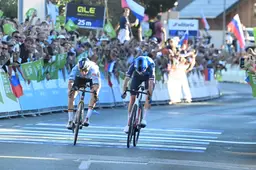
European Championship organiser answers Giulio Ciccone's photo finish complaint: 'In the case of minimal differences'
Lidl-Trek terminate multiple contracts, lucrative transfer season in full swing at German team
Sensational Primož Roglič gives home fans something to cheer about by winning the mens' European time trial title
Latest Comments
- - ¡Qué ilusión para el ciclismo español! If Noval can combine climbing, time trialling and that mental strength, Spain may have another superstar on its hands.davidm08-10-2026
- - I’m still learning the sport—how can someone be the second-youngest WorldTour pro ever if his contract starts in 2027? Does that record depend on his exact birthday and debut date?pedalpowe2908-10-2026
- - “Once-in-a-generation talent” is a huge claim. What power numbers did Noval actually produce in Asturias, and how do they compare with riders of the same age?jeremya08-10-2026
- - The Contador comparisons are exciting, but also a bit premature. Time-trial ability is a major advantage, though the jump from juniors to the WorldTour can be brutal. Hopefully INEOS gives him time to develop rather than expecting instant results.patriciaw08-10-2026
- - Noval’s junior season has been absolutely ridiculous. Winning both world titles and the European time trial title suggests he isn’t just a climber—his versatility could be what separates him from the other big prospects.gearguru3308-10-2026
- Great drama, but the article leans a little too hard into the “what if” angle. Evenepoel still had to recover from a crash and finish the job—credit where it’s due.robert6507-10-2026
- What exactly is a pacer in this situation, and why was Ciccone listening to that information instead of just watching the race? I’m still learning the tactics, but it seems like Scaroni being behind changed everything.andrewf07-10-2026
- The photo finish sounds far too vulnerable to tiny setup errors. If the line is curved and the camera alignment is even slightly off, can we really call a one-pixel victory completely definitive?jennifer1907-10-2026
- Ciccone’s final turn was excellent, but I agree with Zonneveld that he probably worked too much before the finish. With Scaroni behind, sitting on Remco’s wheel would have been the smarter gamble.bikebuffj07-10-2026
- Evenepoel showed serious resilience after that crash. Coming back, attacking on the descent and still winning the sprint is a proper champion’s performance.cadencekingm07-10-2026
Loading