Follow IDL Pro Cycling on Google
Stay up to date with the best cycling news by making us a preferred source on Google.
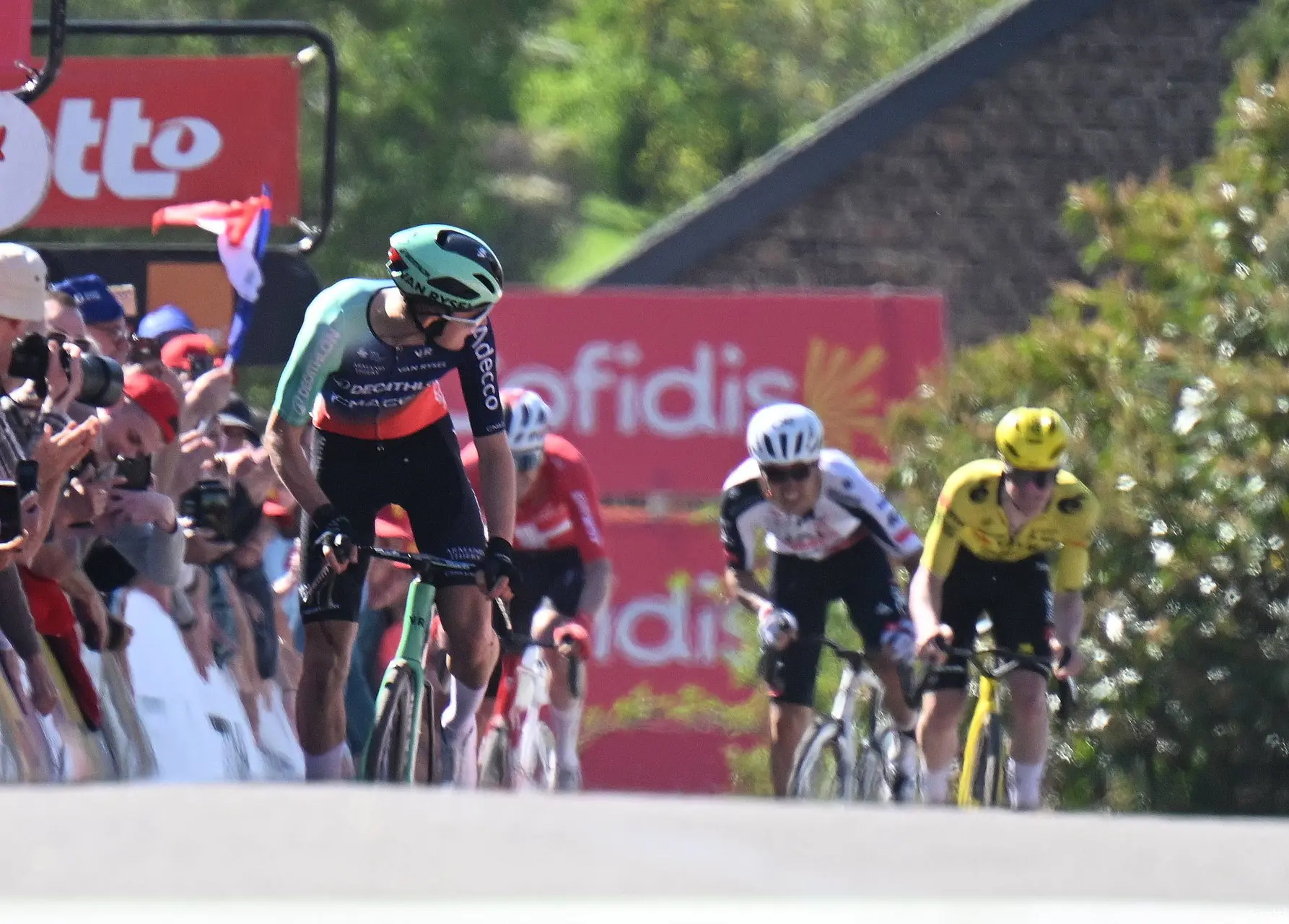
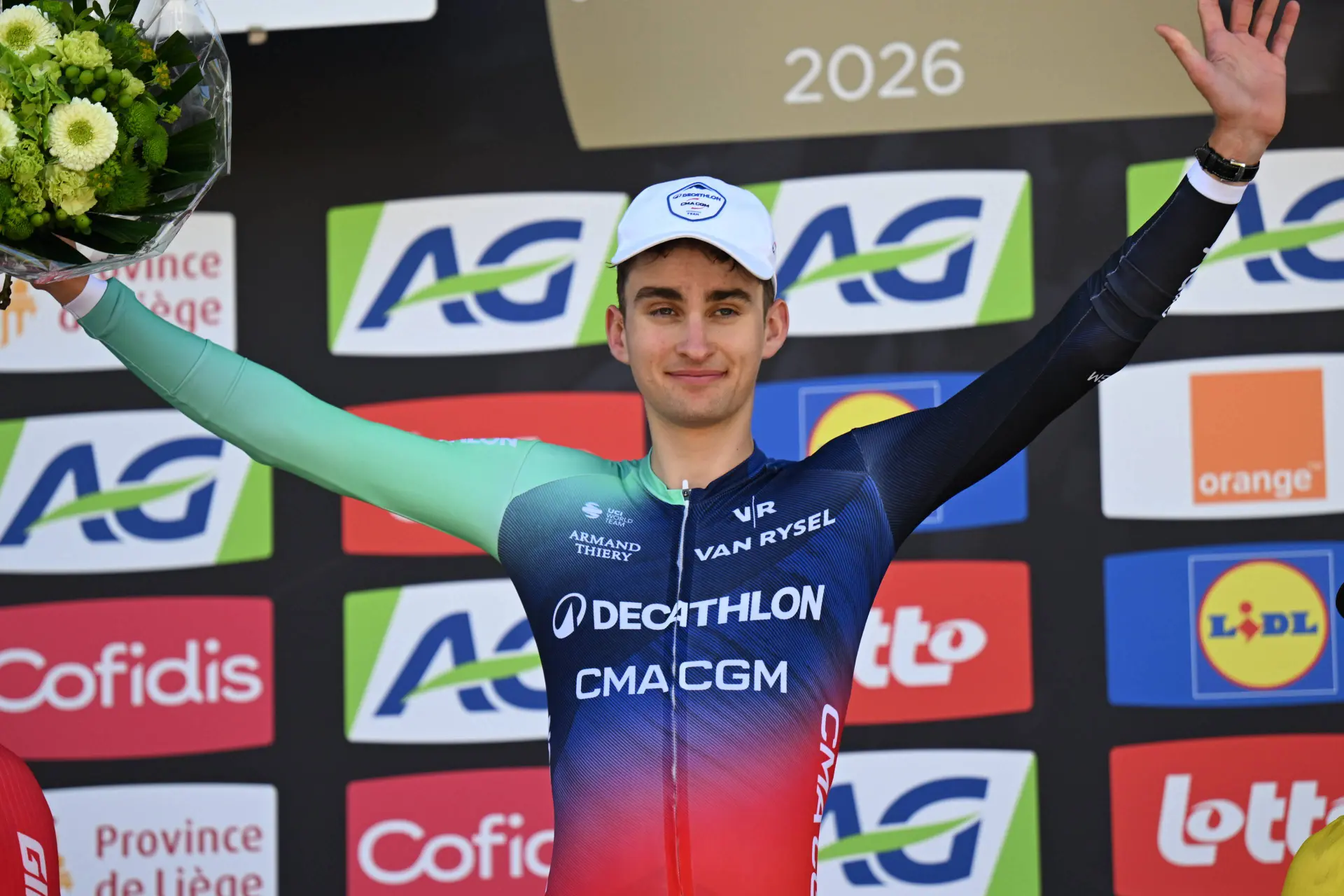
Follow us on GoogleHe was handed the favourite's tag before the race — but at 19 years old, you still have to go and do it. Paul Seixas delivered, winning La Flèche Wallonne in commanding fashion and writing his name into the record books in the process. The Frenchman is already being compared to Tadej Pogačar — and on Wednesday, he proved why.
ADVERTISEMENT
There is no consensus on the all-time record for the Mur de Huy. Some measurements have Julian Alaphilippe setting the fastest time ever in 2021, when the Frenchman reportedly climbed in 2 minutes and 40 seconds. Other measurements put that at 2 minutes and 41 seconds — the same as Alejandro Valverde's time from 2014.
Seixas does not reach those marks. The Decathlon CMA CGM rider climbed in 2 minutes and 43 seconds on Wednesday — not an outright record, though he does hold the KOM on Strava for the segment. More interesting, though, is how his time compares to Pogačar's — the world champion to whom he is now being routinely compared.
Continue reading below the photo!
Seixas three seconds faster than Pogačar on the Mur de Huy
At La Flèche Wallonne itself, Seixas out did the Slovenian simply by winning on debut. The only other rider to have done that since the finish was moved to the top of the Mur de Huy? Marc Hirschi, who also won first time out in 2020.
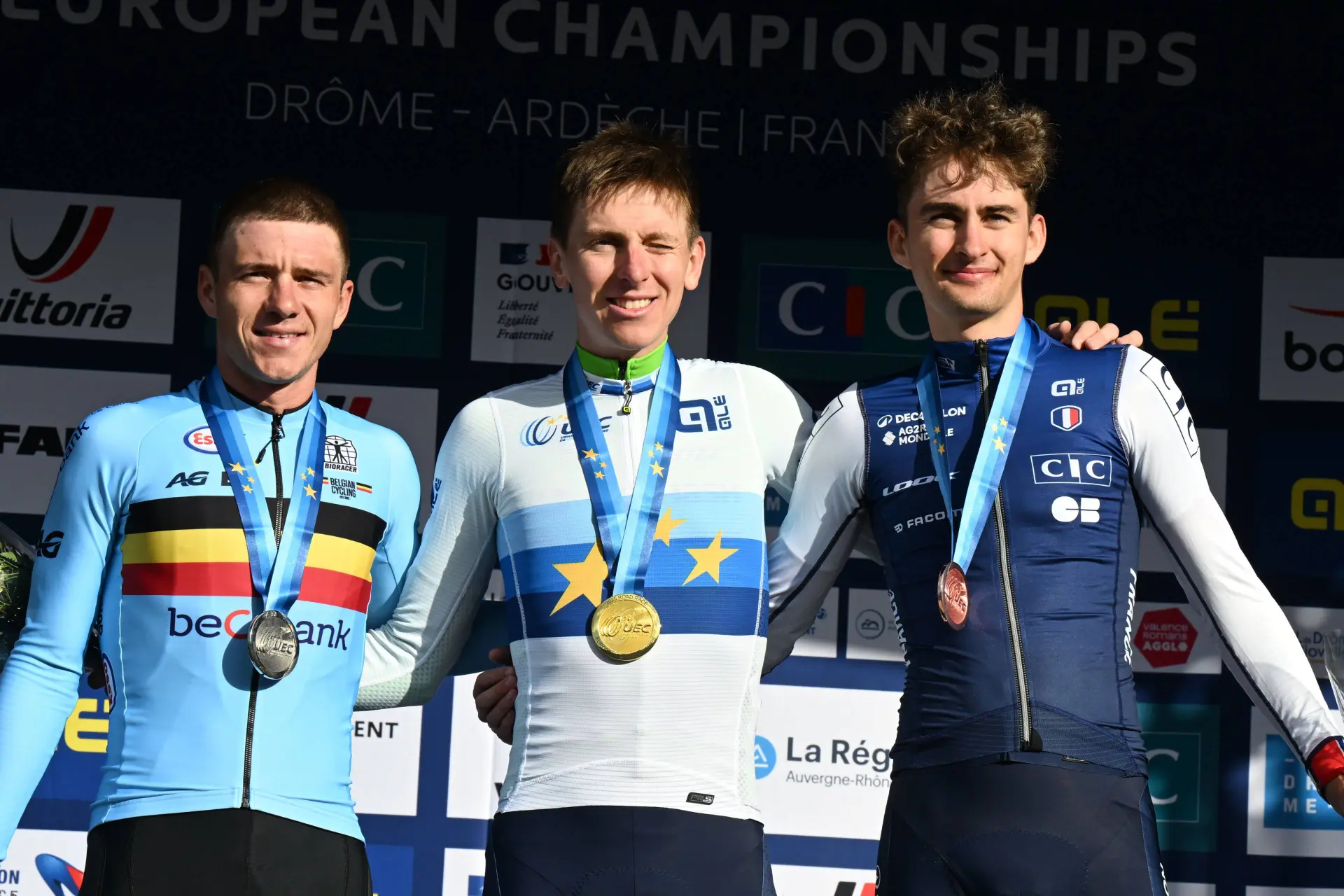
Pogačar needed no fewer than four attempts to win the Flèche Wallonne. He finished 53rd on his debut in 2019, then ninth in 2020 and 12th in 2022, before finally winning in 2023. He added a second victory in 2025.
Look at Pogačar's climbing times over the years and it becomes even more striking. His best ever time on the Mur de Huy is 2 minutes and 46 seconds — three seconds slower than Seixas clocked on Wednesday. Pogačar set that personal best in 2023, the year of his first win.
One important caveat: weather conditions play a crucial role in these comparisons. On Wednesday, Seixas had the benefit of a tailwind. Pogačar, meanwhile, faced ice-cold, soaking conditions in last year's rain-soaked edition of the Flèche Wallonne.
Read also

IDL-productions
Team GB dominate, China on the rise, Lavreysen the best ever? Five takeaways from the 2026 Track World Championships
Track World Championships day 2: A golden day for Team GB, Levreysen goes 2 for 2, and Kopecky eliminates the competition
Rumours, speculation and guesswork: 2027 Tour de France route will be revealed live on October 22 in Paris
Vollering adds the Women’s European Championships road race jersey to her rainbow wardrobe
16-day Grand Tours, AI, VAR, drones and more: The UCI's new document has a potentially major impact from 2029 onwards
Latest Cycling News
Netcompany INEOS provide update on future for Egan Bernal: 'He isn’t satisfied with a tenth-place finish'
Geraint Thomas gives a surprising reason for INEOS letting Ganna go: 'I wish him the best of luck at Lidl-Trek'
🎥 Overtaking buses and weaving through traffic: Keeping up with Pogacar in Monaco isn't easy!
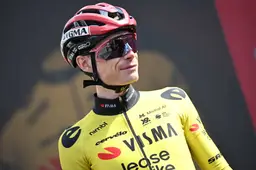
Uno-X Mobility manager Thor Hushovd confirms contact with Jonas Vingegaard: 'He doesn’t earn that much'
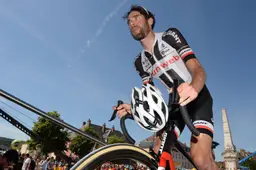
'You can complain, but you also signed up for it': Laurens ten Dam reveals his experience with Picnic PostNL predecessor
Popular Cycling News
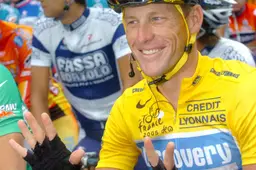
Lance Armstrong has a warning about the 2027 Tour de France route: 'Won’t make it across the English Channel'
Uno-X Mobility manager Thor Hushovd confirms contact with Jonas Vingegaard: 'He doesn’t earn that much'
Geraint Thomas gives a surprising reason for INEOS letting Ganna go: 'I wish him the best of luck at Lidl-Trek'
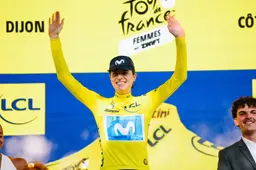
Marlen Reusser critical after 2027 Tour de France route presentation: 'Where is the Tour de France Hommes?'
🎥 Overtaking buses and weaving through traffic: Keeping up with Pogacar in Monaco isn't easy!
Latest Comments
- More time trials sounds good, but could Remco actually win the whole race? I thought the Tour was mostly about climbing.gearguru3323-10-2026
- If Pogačar crashed badly, does that mean he might not be fully fit for the Tour?julien23-10-2026
- Edinburgh for the Grand Départ is brilliant news. The crowds in Yorkshire were incredible, and Scotland could be just as special.pedalpowe2923-10-2026
- Froome’s point about the mountains is spot on: the extra TT distance gives the other GC contenders a real reason to race aggressively before the final climbs.tourdeforce923-10-2026
- 71km of time trialling should make things much more interesting. Remco will fancy his chances, but you can never write Pogačar off.lindae23-10-2026
- I’m still figuring out how time trials affect the overall race. If Evenepoel gains time there, will Pogačar have enough mountain stages left to make it back? The route sounds exciting, but I’m not sure how much difference 71km makes.davidm22-10-2026
- Two 223km stages in the opening week could make for a proper nervous start. Those narrow British roads and potholes might have the GC favourites watching every corner.jennifer1922-10-2026
- That Pau–Portet stage sounds absolutely savage: Tourmalet, Soulor, Hourquette d’Ancizan and then the Portet. Vingegaard should suit those long climbs, though Pogačar is hardly easy to shake.julien22-10-2026
- Seventy-one kilometres against the clock gives Evenepoel a real chance to put pressure on Pogačar, but those Pyrenean stages look brutal. Could be a cracking final week if the time gaps stay close.sprocketspiny22-10-2026
- Not sure we can call this a perfect Evenepoel route before we’ve seen the start list. Plenty of time-trialling, yes, but those Pyrenees stages look absolutely savage. Could be a great Tour, though.julien22-10-2026
Loading

