UAE Tour unveils route featuring brutal new climb — and GC battle between Vingegaard, Del Toro and Evenepoel!
Cycling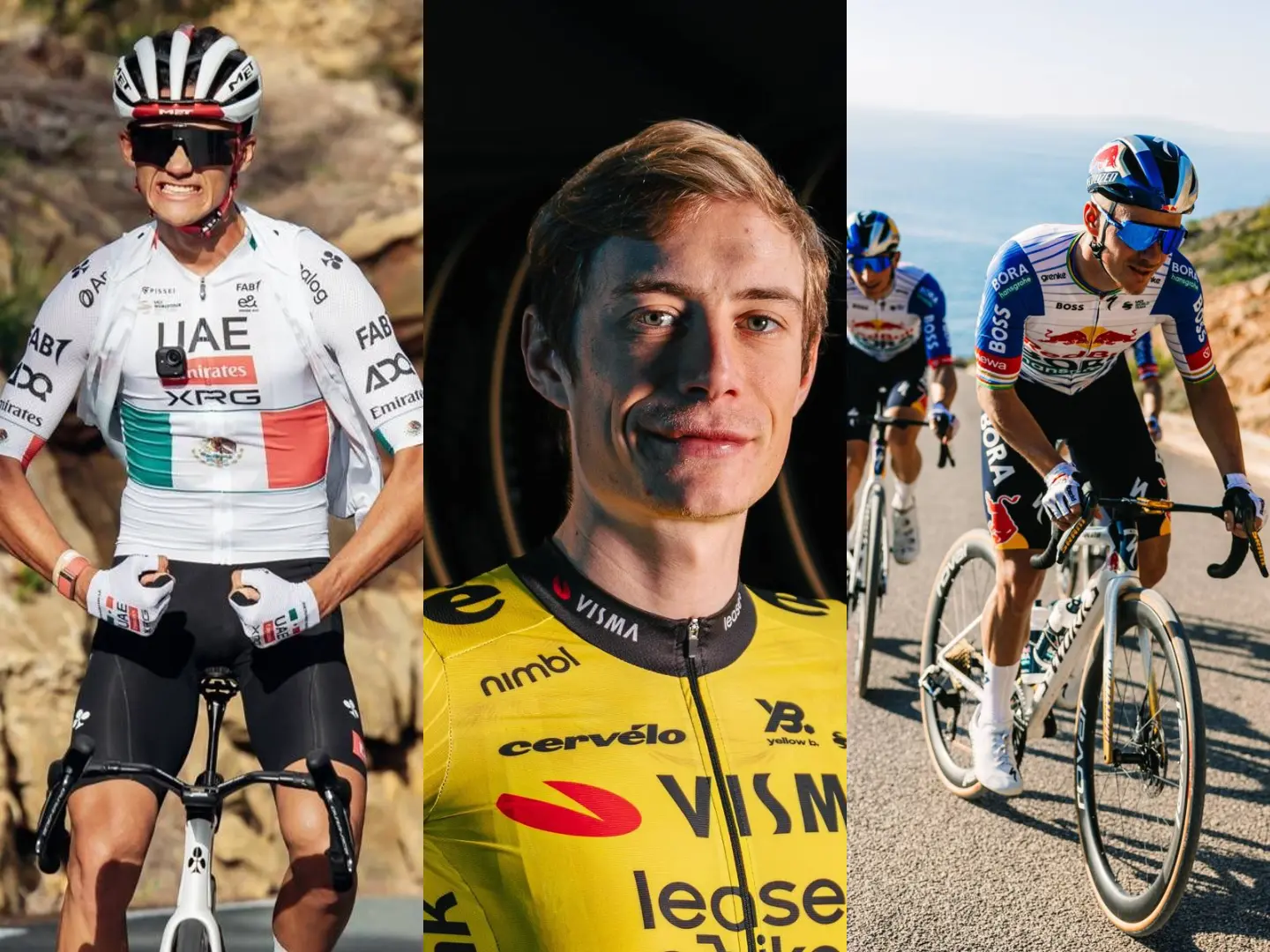
Follow IDL Pro Cycling on Google
Stay up to date with the best cycling news by making us a preferred source on Google.
Follow us on GoogleThe UAE Tour has unveiled its route for the 2026 edition. Well, unveiled might be overstating it — the organiser has stuck to much the same formula as recent years, with one exciting addition: a brand-new, fearsome climb. Even more noteworthy, though, is the top-class rider line-up. Alongside Jonas Vingegaard and Isaac Del Toro, who were already expected, Remco Evenepoel will also line up among the dunes.
ADVERTISEMENT
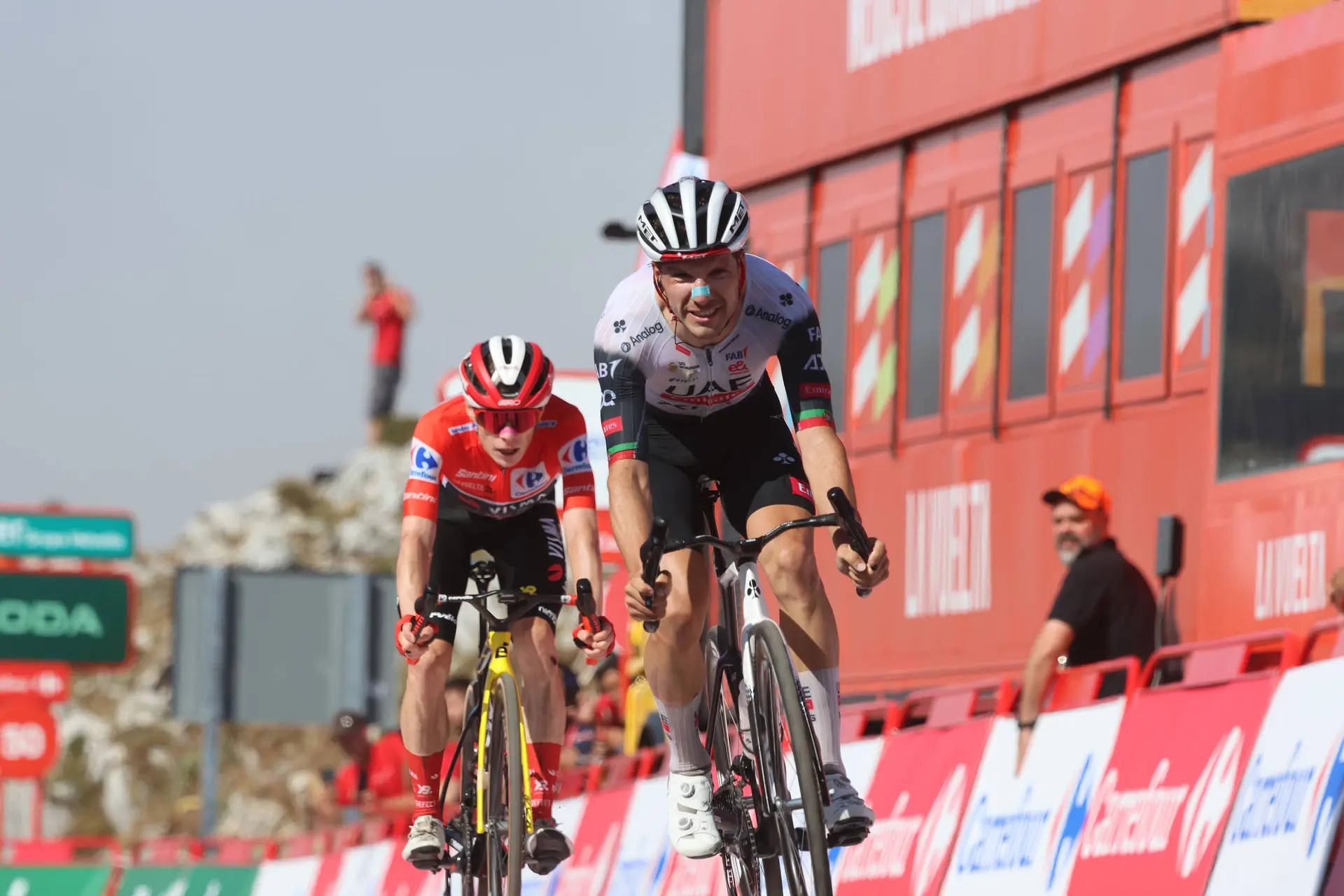
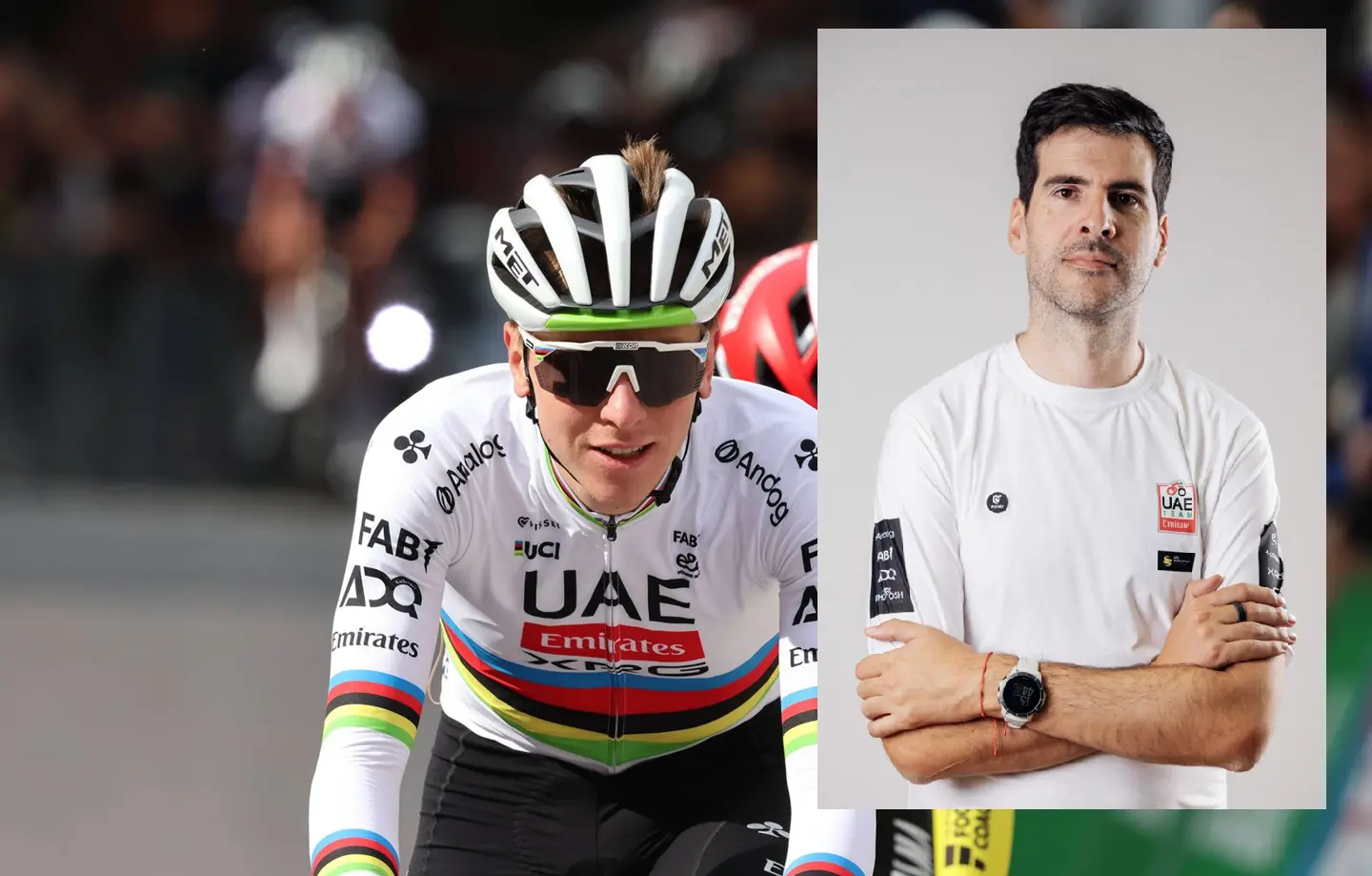
It was already known that Del Toro would ride the UAE Tour — the Mexican champion is returning to defend his home soil after Tadej Pogačar’s win last year with UAE Team Emirates-XRG. But he’s not going to have an easy ride: the 22-year-old climbing specialist faces stiff competition from Jonas Vingegaard.
The Danish Tour de France champion confirmed his participation recently. “It’s a WorldTour race and very important,” he explained when announcing his programme. “With an eye on the Giro d’Italia and the Tour de France, I wanted to race two more events. The Tour of Catalonia is very suitable for that, and then I had to choose between Tirreno–Adriatico, Paris-Nice and the UAE Tour. With the other two, it would have been too tight after Catalonia.”
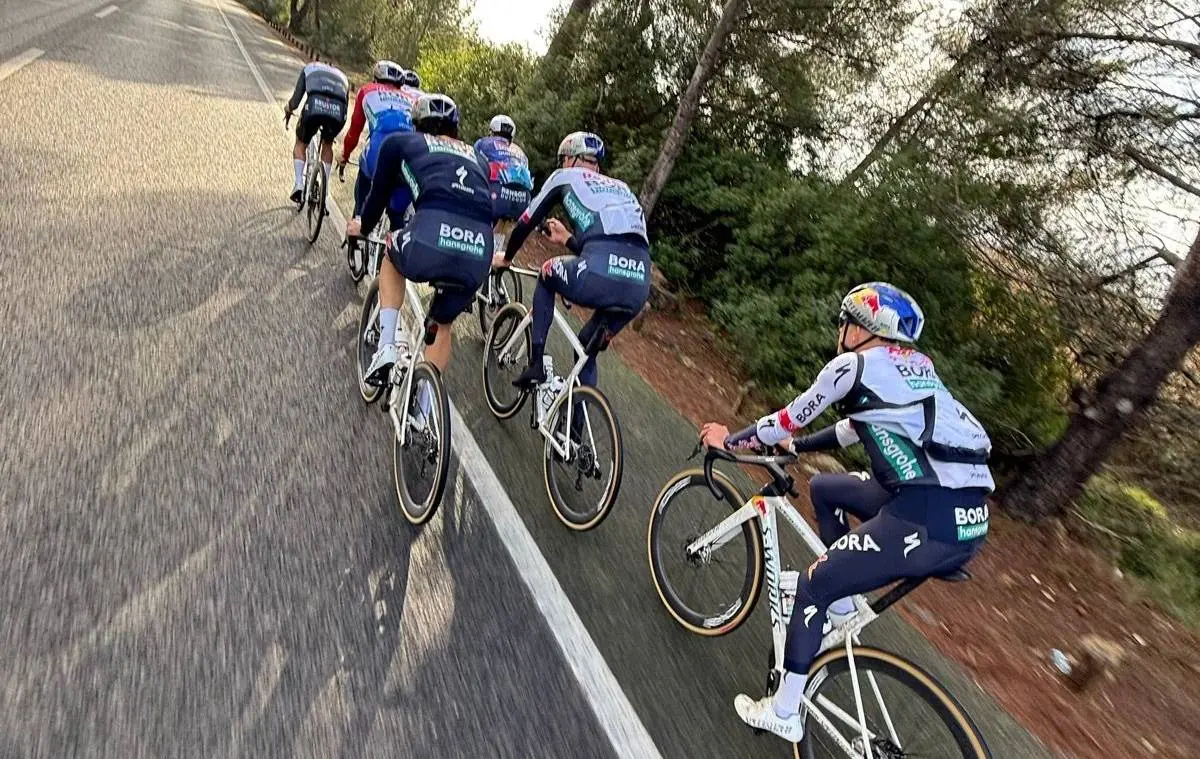
That’s a clear explanation. But there’s a third contender who could shake things up. There had already been rumours, and now the organisers have confirmed that Remco Evenepoel will start in the UAE Tour too. The Belgian, riding for Red Bull-BORA-hansgrohe, reportedly chose the UAE Tour over Tirreno or Paris-Nice — setting up a potential three-way battle for general classification honours.
Continue reading below the photo!
Brutal Jebel Mobrah, a new desert Angliru?
The UAE Tour route consists of seven stages, and the overall layout will be familiar to fans. The opening stage, like in 2025, goes to Liwa Palace — a day for punchers and powerful sprinters. After a time trial on Al Hudayriyat Island, the race reaches its first mountain stage: the ascent to Jebel Mobrah. Two more flat stages follow before the traditional finale up Jebel Hafeet.
But it’s the Jebel Mobrah climb that’s causing the biggest buzz. It’s a completely new climb that has never featured in elite racing before and is already being talked about as a monster test. The climb extends roughly 15 kilometres, with the first section averaging around 7%. But the toughest part comes in the final six kilometres, where gradients never dip below 10% and average around 12%, with pitches reaching up to 17%. That’s potential GC-shaping territory — and exactly the kind of brutal test that could define the 2026 race.
IDL-productions
Team GB dominate, China on the rise, Lavreysen the best ever? Five takeaways from the 2026 Track World Championships
Track World Championships day 2: A golden day for Team GB, Levreysen goes 2 for 2, and Kopecky eliminates the competition
Rumours, speculation and guesswork: 2027 Tour de France route will be revealed live on October 22 in Paris
Vollering adds the Women’s European Championships road race jersey to her rainbow wardrobe
16-day Grand Tours, AI, VAR, drones and more: The UCI's new document has a potentially major impact from 2029 onwards
Latest Cycling News
Lild-Trek face 'luxury problem' in 2027: 'We won't make everybody happy'
Tom Dumoulin contradicts Armstrong over the 2027 Tour de France: 'The only way to beat Pogačar'
True ticket prices revealed as first wave of sales for Tour de France 2027 Grand Départ goes ahead
Light at the end of the tunnel for unlucky Jay Vine at UAE Team Emirates-XRG: 'Couldn’t have imagined a better fit'
18-year-old Belgian cyclocross prodigy potential successor to van der Poel: 'Lacking a bit of character or resilience'
Popular Cycling News
Mads Pedersen is among athletes taking HBO to court
🎥 Overtaking buses and weaving through traffic: Keeping up with Pogacar in Monaco isn't easy!
Uno-X Mobility manager Thor Hushovd confirms contact with Jonas Vingegaard: 'He doesn’t earn that much'
Geraint Thomas gives a surprising reason for INEOS letting Ganna go: 'I wish him the best of luck at Lidl-Trek'
Marlen Reusser critical after 2027 Tour de France route presentation: 'Where is the Tour de France Hommes?'
Latest Comments
- - I like that there’s finally something to debate beyond whether Tadej will win again. Bring on 2027!samanthak27-10-2026
- - Does the 2027 route have fewer mountain stages than usual, or is the focus just on the time trials? I’m still figuring out how the route shapes who has the best chance.michael5427-10-2026
- - Armstrong’s right that Pogačar is the favourite, but calling it “his race to lose” feels a bit premature when the parcours gives Evenepoel so much room to gain time.bikebuffj27-10-2026
- - Two TTs, and one of them is 38 km? That could make the GC battle much more interesting. Still, the mountains will have their say.patriciaw27-10-2026
- - Dumoulin makes a strong case. Remco can turn 71 km against the clock into a serious advantage, though Pogačar is hardly a slouch in a time trial either.andrewf27-10-2026
- The article makes the new roster sound like a guaranteed fix, but big names don’t always click straight away. Ciccone and Pidcock both like having leadership, so it’ll be interesting to see how they share it. I hope it works, though.gearguru3326-10-2026
- I’m still learning how the UCI points work: does finishing 12th mean they’re automatically invited to every WorldTour race, including the Tour, or are there still extra conditions? Seems like a huge step for the team.davidm26-10-2026
- Hayter could be a great addition if he gets back to his best. The team’s got proper options now, not just one superstar doing everything.sprocketspiny26-10-2026
- Four times Hermans’ score is a pretty stark stat. The signings look promising, but a deeper roster only matters if they can stay together when the big races get selective.julien26-10-2026
- Fifth in the world while carrying that much of the team’s points is some effort. Ciccone and Schmid should make a real difference in the finales—Pidcock might finally have someone to take the pressure off before the decisive move.cyclechamp4526-10-2026
Loading

