Banned for life ex-pro Di Luca sees Italy and Spain slip as cycling nations
CyclingTuesday, 28 April 2026 at 21:37
Follow IDL Pro Cycling on Google
Stay up to date with the best cycling news by making us a preferred source on Google.
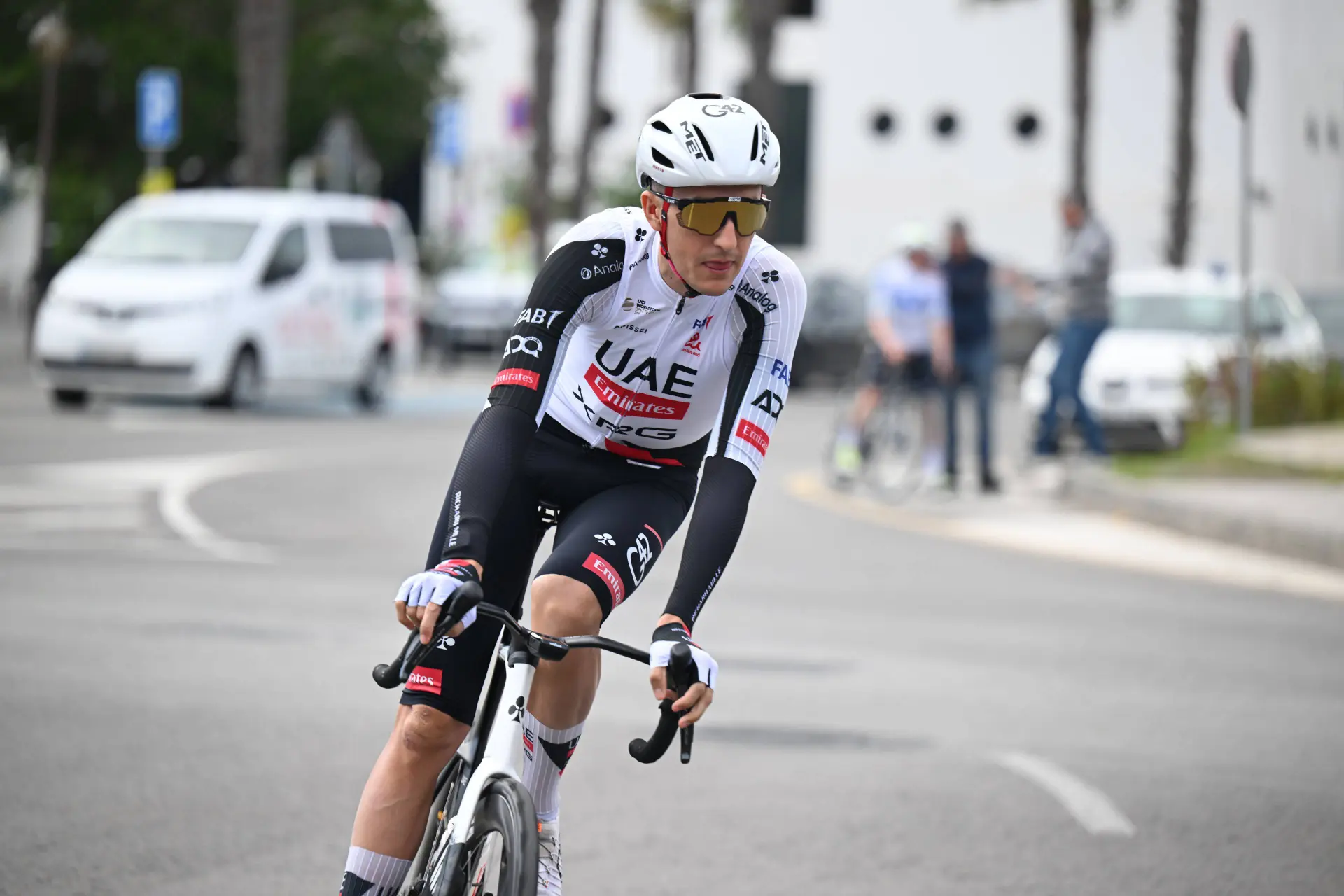
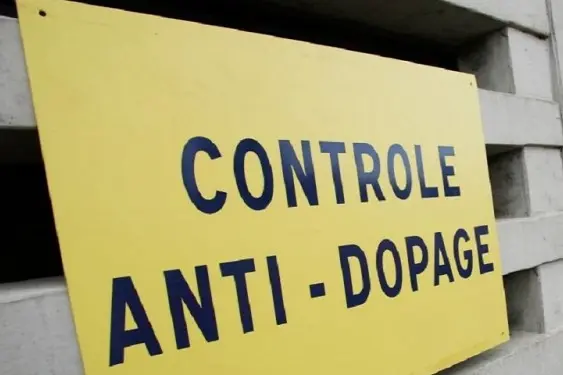
Follow us on GoogleFormer professional Danilo Di Luca has carried a lifetime ban for doping since 2013, handed down after he tested positive for EPO at the Giro d'Italia. The Italian Giro winner still follows the sport closely, but sees a troubling trend developing — particularly in his home country. Speaking to Spanish outlet AS, he reflected on how much the sport has changed since his time.
ADVERTISEMENT
Di Luca was regarded as an excellent climber. As well as winning the 2007 Giro d'Italia, he claimed all three Ardennes Classics. His career was not without controversy — he had already served a temporary ban for contact with a prohibited doctor before the 2013 EPO positive brought it to a definitive end.
He has never accepted the sanction. "I don't understand the lifetime ban. We all make mistakes in life, but after this one it's over for me permanently. I didn't murder anyone. I'm a good person."
Continue reading below the photo!

Di Luca sees Italy and Spain slip as cycling nations
Di Luca's main focus, though, is the contrast with the sport as it once was — and in particular the decline of Italy and Spain. "Everything has changed. Italy is worse off than Spain, because we don't even have a WorldTour team." He believes the problems start with the national federations. "If a son tells his father today that he wants to go cycling, the father immediately says no. It's too dangerous, there are fewer fans, less coverage, less of everything," he said, with concern.
Despite the presence of Lorenzo Finn and Giulio Pellizzari, Di Luca points out that neither is a talent in the mould of a Paul Seixas. He criticises the lack of structure in Italy. "Cycling used to be Italian, French, Belgian and Spanish. Now it's basically just Belgian," he said, underlining the enormous atmosphere around Belgian racing. "In Italy, there's no real appetite for it any more. Cycling is now just one sport on a long list. Once it was at the top."
Continue reading below the photo!

Di Luca misses passion in the new generation
He also sees a change in passion. "Before, cycling was something you did with your heart, something you would give up everything for. That's much less the case now." The sport has become far more predictable, too, driven by data and statistics. "Watts, kilometres, how much they ate during a race — that's what they stare at today. We were more human."
"Because there are so few unexpected moments or spontaneity, you can easily predict the winner these days. When Pogačar is in the race, he wins. Give him three punctures and he finishes second behind Van Aert at Roubaix. I wouldn't even have gone to watch that race," the former Italian pro concluded. "Everything has changed."
PD
Pim van der Doelen
IDL-productions
Three world titles, two heart surgeries, and one last U23 chance: the Rogers family story behind Cameron's World Championship heartbreak
Mathieu van der Poel sees '1,000 scenarios' for the World Cycling Championships road race: 'Actually reminds me a bit of Glasgow'
Here's why the 2032 World Championships were awarded to India, not the Netherlands
Who is Isabella Holmgren, the 21-year-old Canadian who is the clear favourite for the women's U23 world championship?
Australia leave team spots empty, USA riders pay $1,000 to race: the World Championships' national team model faces serious financial problems
Latest Cycling News
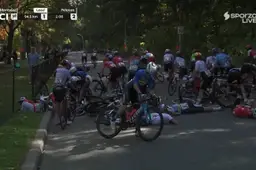
🎥 Women's World Cycling Championships marred by severe crash, favourite Paula Blasi abandons

'First day back, last in the rainbow'; Pogačar shows off his scars on his first ride back on the bike
World Champion Vollering brought back down to earth by hefty penalty from the UCI
Reusser lashes out at fellow World Championship chasers: 'I was the only one racing for gold'
Niewiadoma has mixed feelings finishing second to Vollering again: 'I lost the rainbow jersey'
Popular Cycling News
Disappointed Belgian Driesen has his doubts about the legitimacy of Barry's victory: 'They'll say I'm a sore loser'
🎥 Women's World Cycling Championships marred by severe crash, favourite Paula Blasi abandons
2026 World Cycling Championships Route & Schedule | Vollering gets her rainbow finish after thrilling race
Tom Pidcock has four specifically picked domestiques in his hunt for a record-breaking rainbow jersey
World champion at last! Demi Vollering made the race her own but is pushed all the way to the end
Latest Comments
- - Bienvenido de vuelta, Pogi! Forza per la prossima stagione — zdravje naj bo na prvem mestu.bikebuffj27-09-2026
- - Was the vertebra a C6 or C7? Curious what the expected timeline is before he can do threshold work outdoors again.breakawaybikerd27-09-2026
- - That first-week domination at the Vuelta was scary good—three stage wins and time gaps on wide, windy roads. Shame a stray rock changed everything. Vamos Tadej!cyclechamp4527-09-2026
- - “You’re not a real cyclist until you’ve broken your collarbone” made me wince. Bit macho, innit? Recovery isn’t a badge—just glad he’s riding safely again.patriciaw27-09-2026
- - Why wasn’t the ride on Strava if he’s okay to post videos? Is there a reason pros sometimes skip Strava uploads after injury?cadencekingm27-09-2026
- - Loved the context about Urska, Dunbar and Verhulst-Wild all dealing with similar surgeries. The titanium plate club is real. Heal up, champ. Paris 2025 focus?samanthak27-09-2026
- - Five Tours “won” is a big claim—did you mean five-time strongest performer, or are we counting something unofficial? He’s got two yellow jerseys officially. Article needs a quick fact-check there.gearguru3327-09-2026
- - Great to see Tadej back spinning the legs. That Vuelta crash was brutal, but collarbone + C-vertebra recovery in this timeframe is impressive. Hope they’re not rushing—concussion protocols matter more than an Insta reel.jennifer1927-09-2026
- - Qué carrera, magnifique esprit! Niewiadoma mostrando coraje total, pero Demi otra vez imparable en el sprint. Respect to both.sprocketspiny26-09-2026
- - Not sure the article gives enough tactical detail. Who was in the chase group and what teams were actually pulling? That context matters if we’re judging Kasia’s options in the finale.jennifer1926-09-2026
Loading