How Van Aert's Marly Grav win shone a light on gravel's biggest broadcast challenge yet
CyclingTuesday, 12 May 2026 at 10:28
Follow IDL Pro Cycling on Google
Stay up to date with the best cycling news by making us a preferred source on Google.
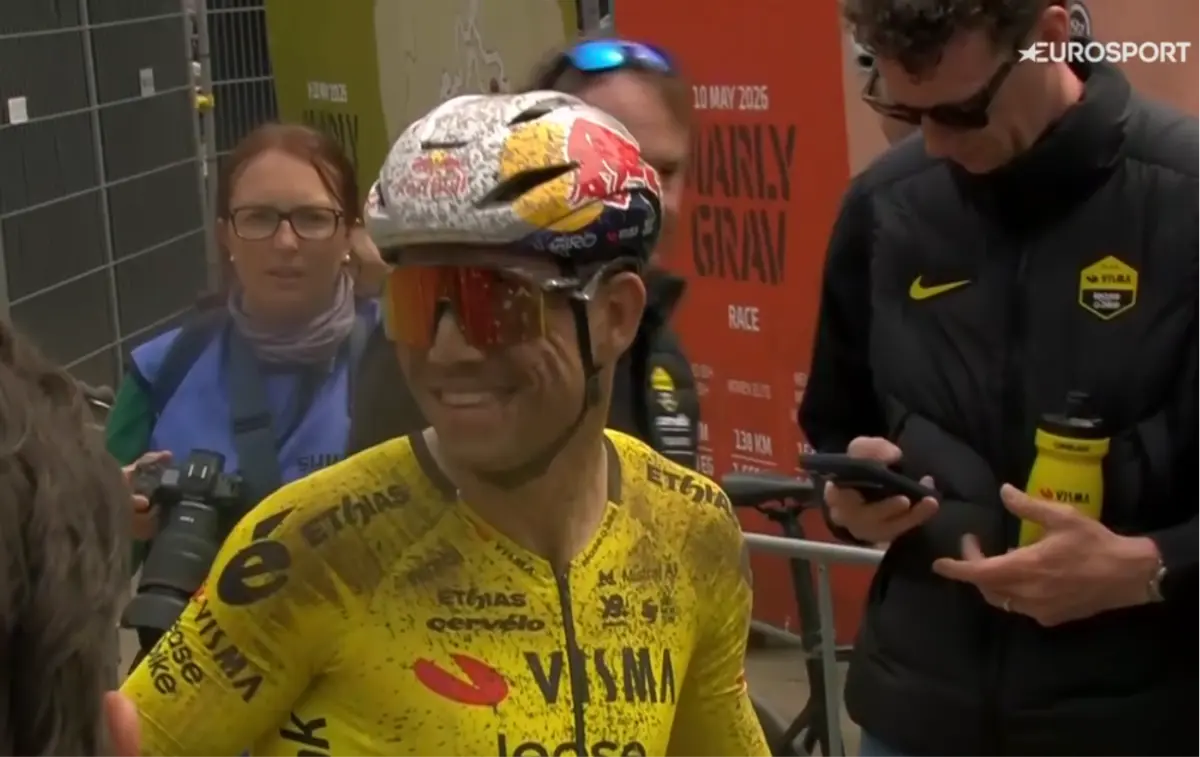
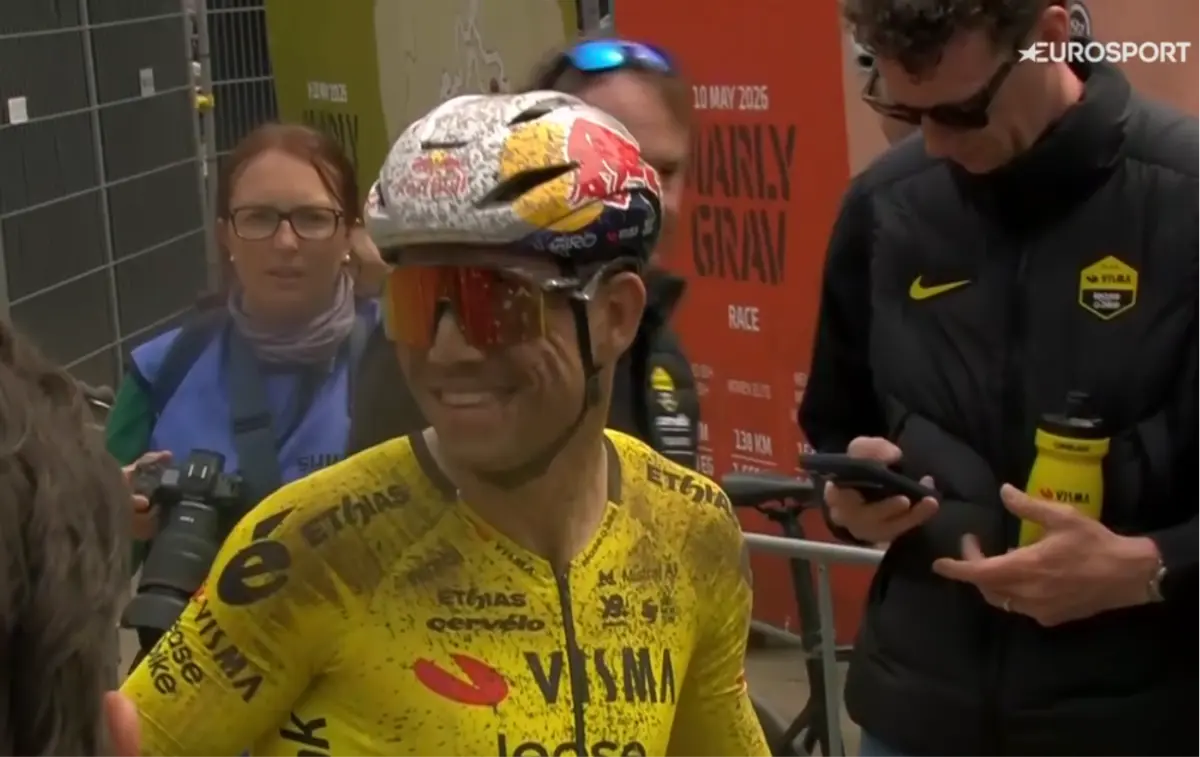
Follow us on GoogleWout van Aert's surprise appearance at the Marly Grav in Valkenburg was an unexpected windfall for the UCI Gravel World Series. The Belgian not only brought a wave of attention to the race but also added a prestigious name to its winners' list. Yet his participation was not the only breakthrough at Sunday's gravel race.
ADVERTISEMENT
Van Aert made his return to competitive racing on Sunday after his Paris-Roubaix victory — but chose to do so not on the road. The Marly Grav in Valkenburg was the lucky race to welcome the Visma | Lease a Bike all-rounder. He faced genuine competition from road professionals including gravel world champion Florian Vermeersch and Pascal Eenkhoorn. Van Aert attacked solo inside the final 25 kilometres to cross the line 44 seconds clear of second place.
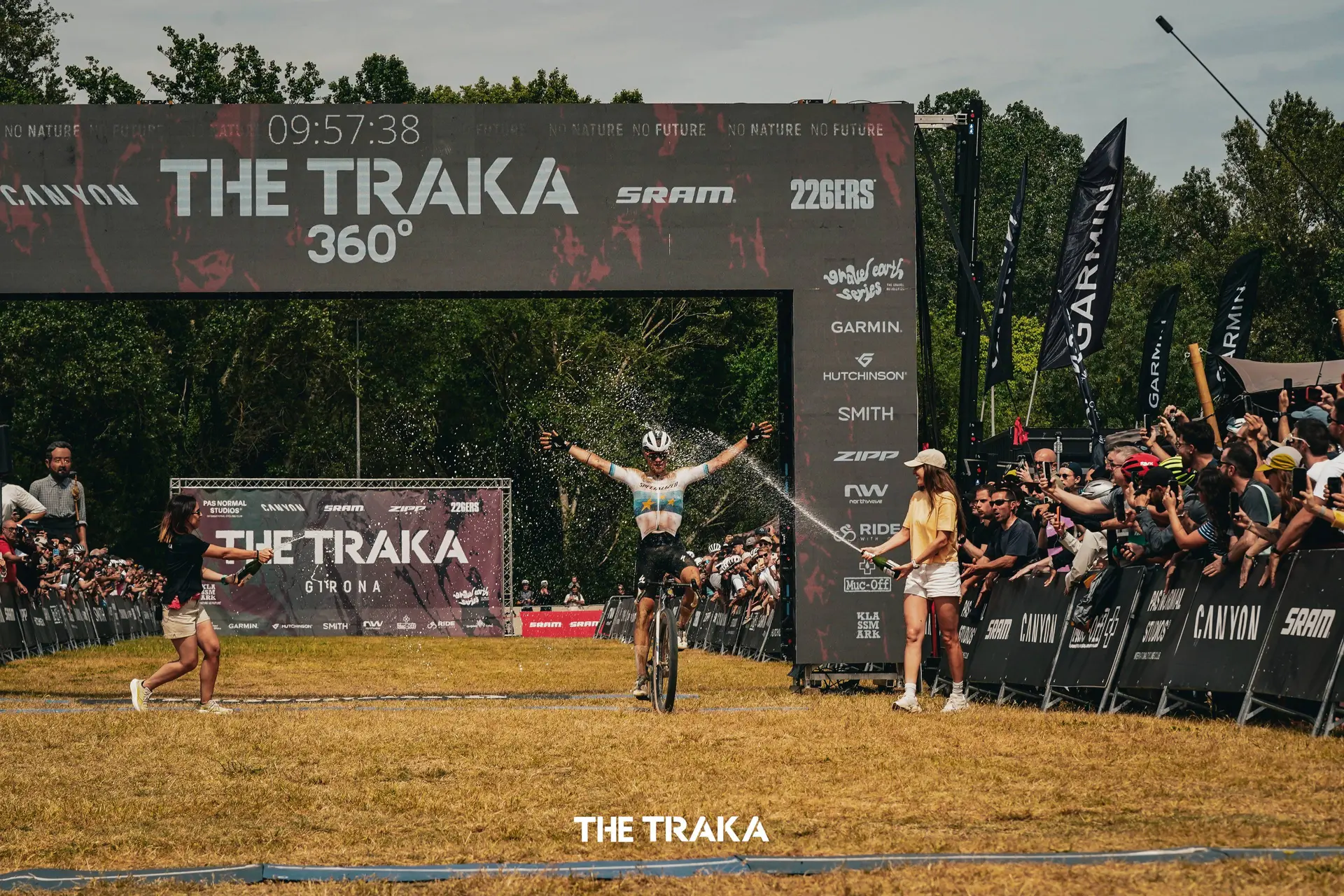
Thanks to Van Aert's presence and victory, the race drew considerably more attention than usual. But there was a second reason to celebrate. For the first time, a Gravel World Series race was shown live on television, where previously only the European and World Championships had received broadcast coverage. Erwin Vervecken, manager of the UCI Gravel World Series, told Sporza that they were using the Marly Grav as a test run.
Continue reading below the photo!

Live TV brings its own challenges
"There are more difficulties than with a road race, where you can simply follow riders on a motorbike," Vervecken explained. "In off-road disciplines like cyclo-cross and mountain biking, they use fixed cameras on a limited course." Gravel races, however, sit awkwardly between the two, which creates its own problems.
"Our course is too long for fixed cameras, but the tracks are sometimes too narrow for motorbikes." There is a further complication unique to gravel: amateurs and professionals race together, something Vervecken sees as one of the sport's key appeals. "But it creates challenges when lapped riders are on a narrow track. Add a camera motorbike to that and... well, those are the challenges."
Whether the test was a success — and whether more World Series races will follow on television — is something Vervecken cannot yet say. "Those conversations are still ongoing."
Continue reading below the photo!

Gravel races as a genuine alternative to a training camp in Spain
Second-placed finisher Niels Vandeputte was also delighted to see Van Aert at the start. "Wherever Van Aert shows up, he attracts a lot of attention." But the Alpecin-Premier Tech rider believes that is not the only reason the Marly Grav draws interest. "It's probably in the top three of the biggest gravel races in Europe, so there is always some interest regardless. But Van Aert's participation was definitely a positive."
Vervecken suggested that races like this can serve as a pleasant interlude for professional road riders — and even a genuine alternative to a training camp in Spain. "If they want to push bigger numbers, gravel cycling is a great option. You're always putting out more power because you're off-road, on wider tyres." Perhaps Van Aert has now set a precedent — and we may yet see more road professionals lining up at gravel events in the seasons to come.
PD
Pim van der Doelen
IDL-productions
An American rider can win the Elite Men’s World Championship road race, but the smart money isn’t on Quinn Simmons!
McNulty fell 12 seconds short of a World TT medal but sees a road race opportunity: 'We have our work cut out'
Brandon McNulty could be the winning difference for Pogačar at the 2026 Tour de France: 'I'm back in shape'
Three world titles, two heart surgeries, and one last U23 chance: the Rogers family story behind Cameron's World Championship heartbreak
Mathieu van der Poel sees '1,000 scenarios' for the World Cycling Championships road race: 'Actually reminds me a bit of Glasgow'
Latest Cycling News
Brandon McNulty, the new world champion, surprised even himself in Montréal: 'Apparently, a miracle happened today'
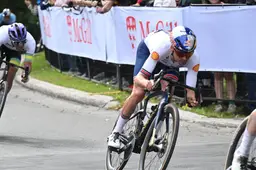
Unlucky Pidcock crashed at a crucial moment of the World Championships: 'My legs were feeling really, really strong'
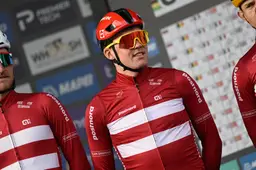
Where the hell did Mads Pedersen come from? 'I was pushing the limit all day'
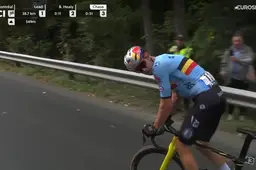
Wout van Aert is disappointed with his World Championships: 'With 4 or 5 laps to go, I was already running out of steam'
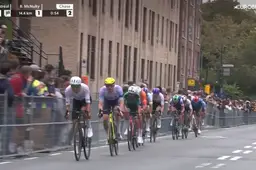
Jorgenson's 'insanely good legs' were worth their weight in gold to McNulty: 'We put our egos aside'
Popular Cycling News
Brandon McNulty could be the winning difference for Pogačar at the 2026 Tour de France: 'I'm back in shape'
Brandon McNulty wins the men's World Championship road race as USA rides the perfect race
Disappointed Belgian Driesen has his doubts about the legitimacy of Barry's victory: 'They'll say I'm a sore loser'
🎥 Women's World Cycling Championships marred by severe crash, favourite Paula Blasi abandons
2026 World Cycling Championships Route & Schedule | McNulty closes the show with a dominant USA performance
Latest Comments
- - Small detail the article missed: what about rain or sweat on the label? If the ink smears, that’s game over. Use pre-printed stickers or laminated wraps.samanthak27-09-2026
- - Great piece. Signs + bottles = redundancy. If they also use hand signals at the pit, Belgium might have the best comms of the day.cadencekingm27-09-2026
- - Pauwels joking about fake messages made me laugh. Imagine handing Remco a bottle that says “Attack now” on an odd lap and he actually goes. Qué locura, pero muy divertido, non?sprocketspiny27-09-2026
- - Feels like we’re overcomplicating. Radios make racing safer and clearer. The “boring race” argument is dated—modern Worlds are explosive anyway.gearguru3327-09-2026
- - So is the course a closed loop where they get a feed each lap? I don’t get how often riders can grab bottles at Worlds.bikebuffj27-09-2026
- - Wout saying he’s never raced this way before surprises me. Old school meets modern pro peloton. Could be the edge in a chaotic Montréal circuit.andrewf27-09-2026
- - Love the ingenuity. Remco’s right though—miss one bottle and you’ve missed a split-second call. Maybe pair the bottle with a staffer shouting codewords? “Plan B” “Green light” etc.robert6527-09-2026
- - How do they stop other teams reading the notes? If the message is on the bottle, wouldn’t everyone just see it when they pass the feed?velodromevirtuoso127-09-2026
- - Not sure this is safe tbh. That U23 bottle rolling near the cameraman proves the point. One stray bidon in a corner and you’ve got a pile-up. UCI should rethink the no-earpiece rule for Worlds.patriciaw27-09-2026
- - Clever from Belgium. Using bidons as mini whiteboards is simple and effective, especially on a circuit. If they rotate messages lap by lap, Wout and Remco can adapt quicker than teams relying only on roadside boards.lindae27-09-2026
Loading