Jorgenson hopes for more rider action against unsafe conditions: 'We need to be on the same page'
Cycling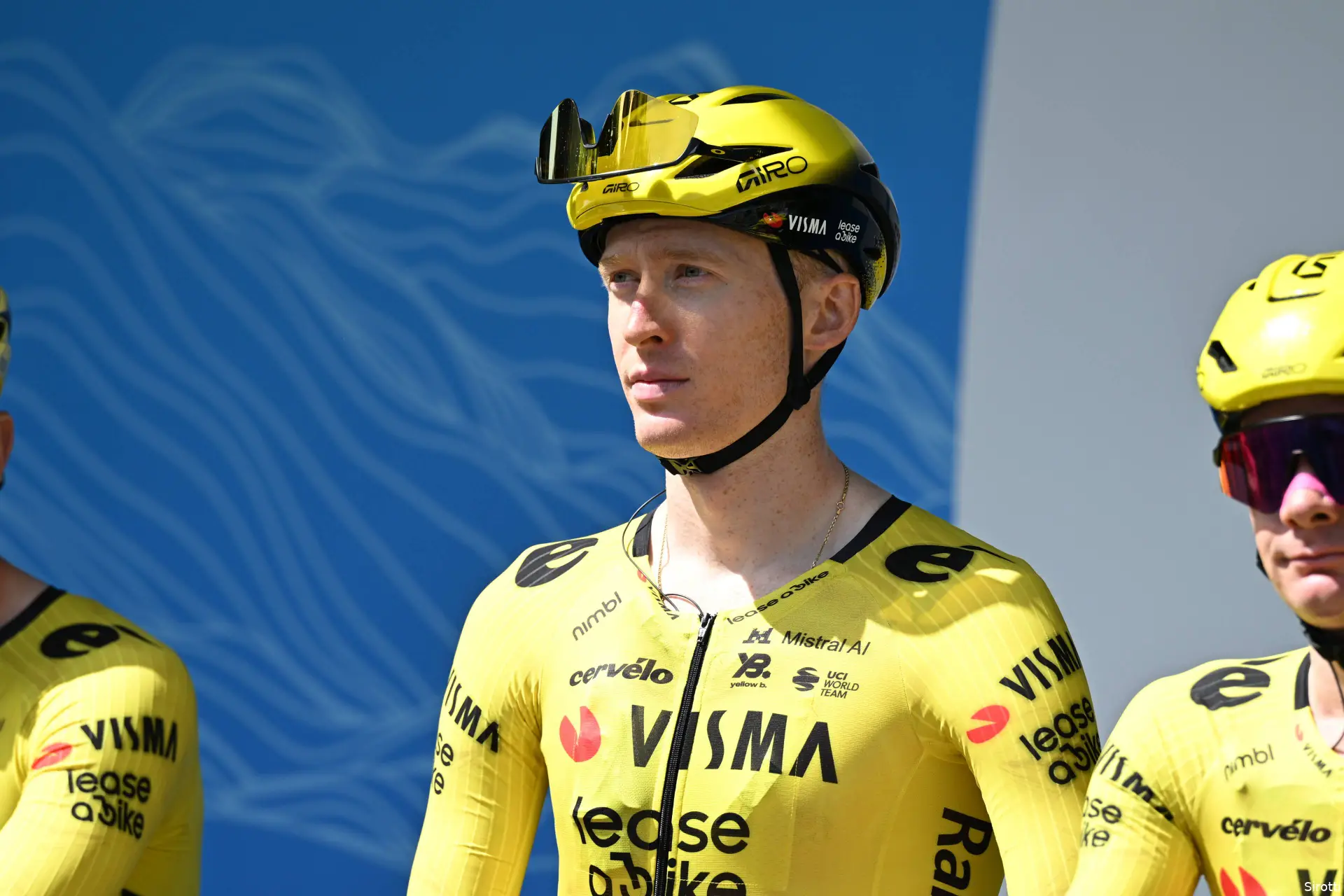
Follow IDL Pro Cycling on Google
Stay up to date with the best cycling news by making us a preferred source on Google.
Follow us on GoogleAnother cycling season has come to an end. And it was yet another year full of incidents and crashes. While some of them were unavoidable, at other times the riders’ safety was jeopardised by things that could have been prevented, including the tragic death of Finlay Tarling. That’s why the riders spoke out for themselves during the Tour of Lombardy. Matteo Jorgenson has more on this.
ADVERTISEMENT
Multiple incidents of vehicles on the road in the autumn races
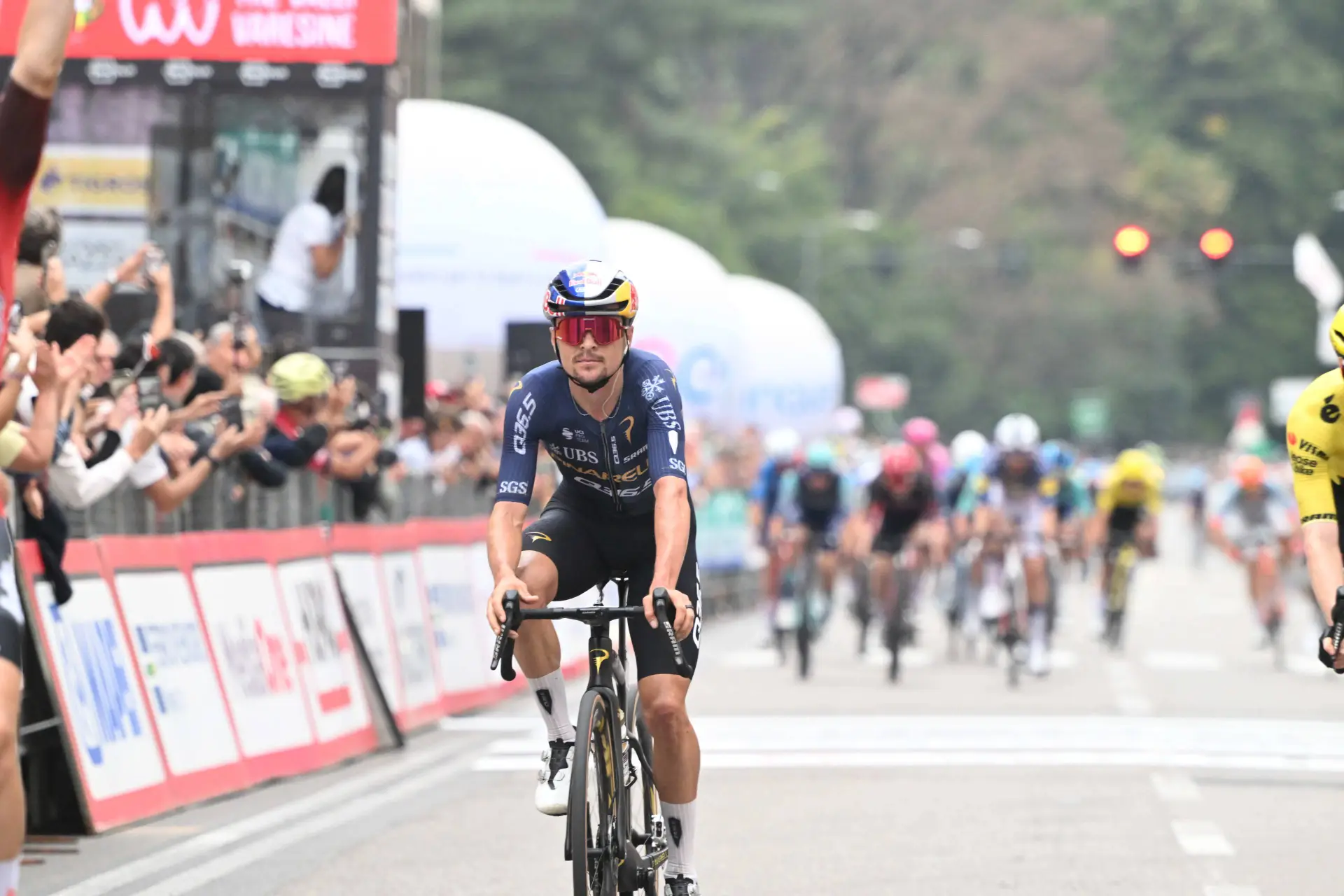
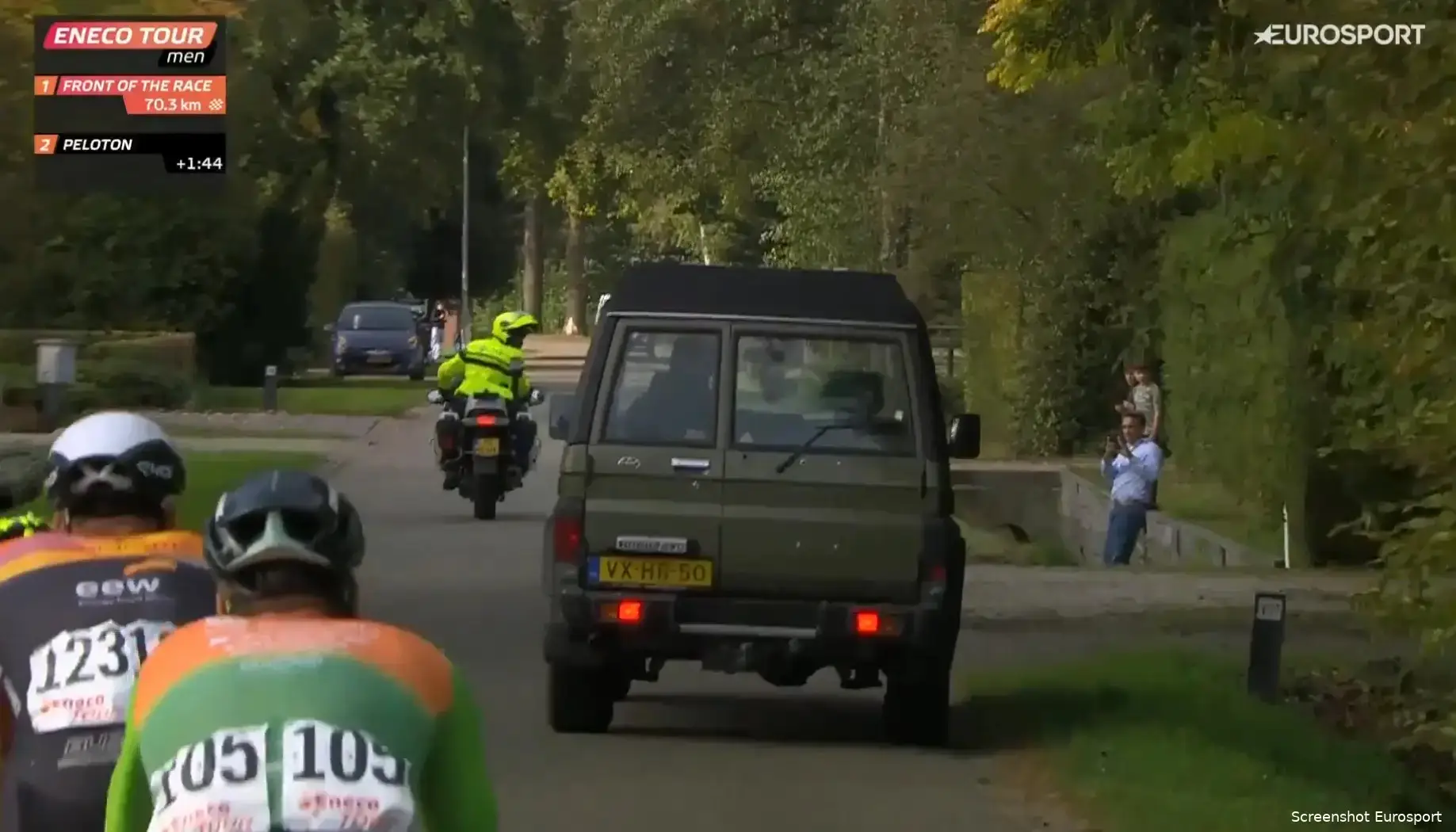
The autumn cycling season was packed with unpleasant moments. In the Coppa Bernocchi, a DHL delivery van drove onto the course, while in the Tre Valli Varesine, two riders from Pinarello–Q36.5 crashed due to a police motorcycle riding in the wrong direction. A car was also spotted on the road during the Eneco Tour.
Read also
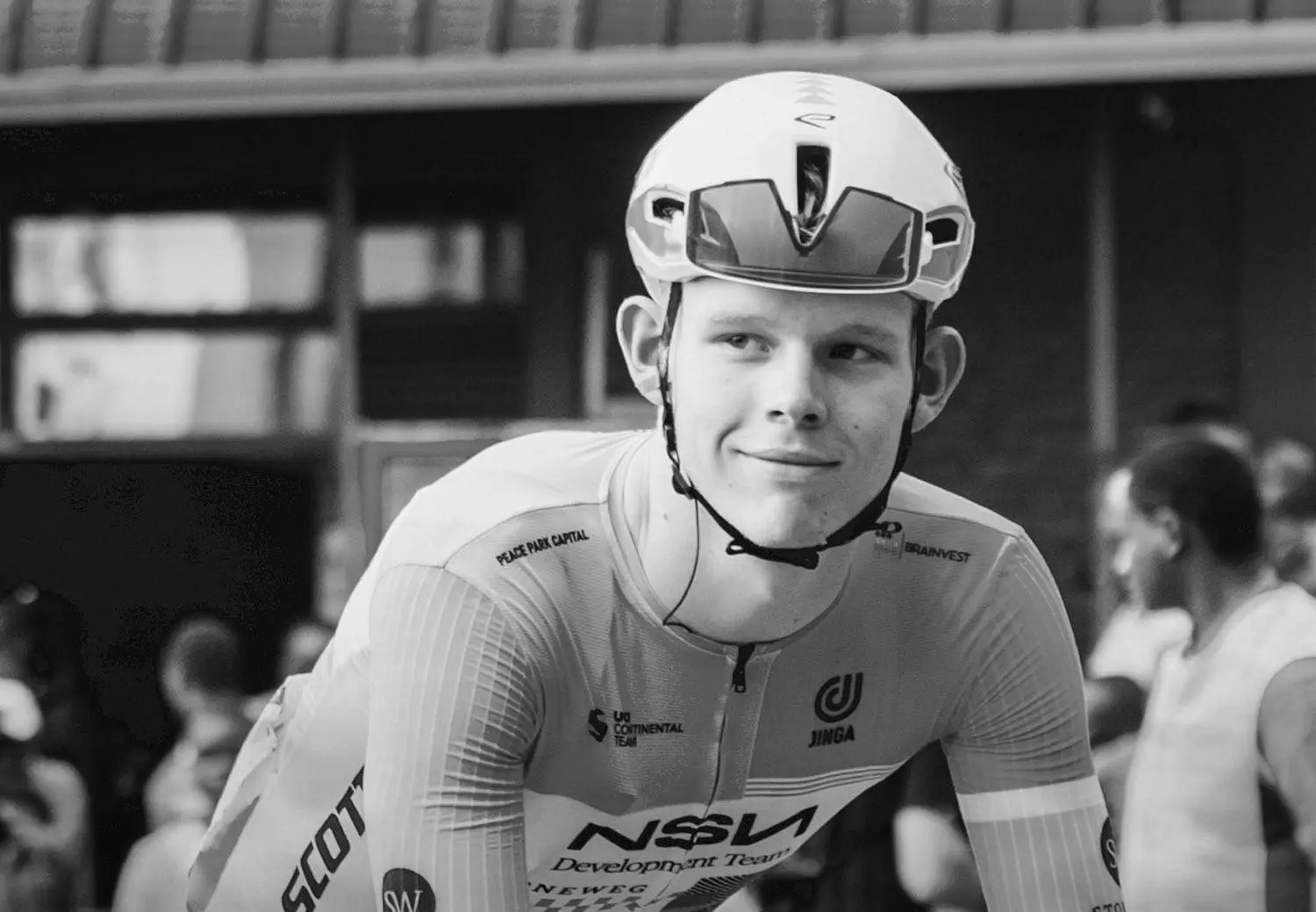
As a result, the riders in the Tour of Lombardy—a few days after Tre Valli— refused to start when the race began. That’s when Remco Evenepoel spoke up. He said he would no longer tolerate riders getting injured—or even dying—due to unsafe conditions in the race. “We’ve lost a colleague and a brother,” he said, referring to the death of Finlay Tarling in the Tour of Portugal.
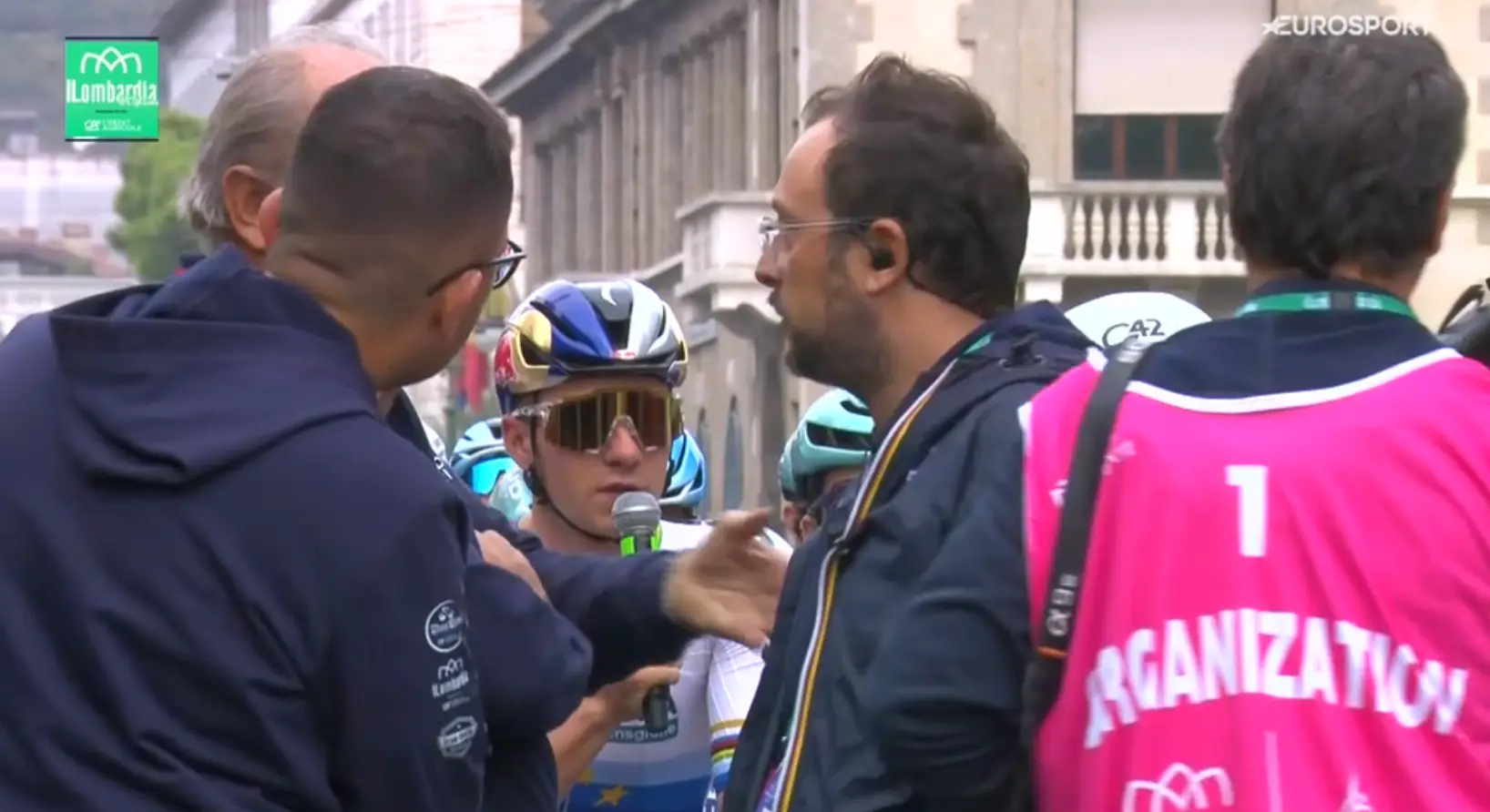
Jorgenson was there, and in an interview with TNT , he gave us a glimpse into the process. “I have to give credit to Ben Healy for this,” says the American rider from Visma | Lease a Bike. “He seemed to be the one who organised it. He set up a group chat with one rider from each team in Lombardy for that race. He came up with the idea to stage a five-minute protest.”
Read more below the photo!

Remco Evenepoel spoke during the protest at the Tour of Lombardy.
Jorgenson hopes for more action from the riders: 'We need to practice this'
Thijs Zonneveld criticised the small scale of the protest, but Jorgenson explains why that was the case.
“It was very well thought out: we didn’t want to influence the race. Because the most recent races where these incidents occurred weren’t organized by RCS, the organisation behind the Tour of Lombardy. They had nothing to do with it.”
Read more below the video!
It’s not often that riders come together like this for a race. There’s been plenty of criticism of unsafe conditions, such as in last year’s Tour of Holland, where the riders brought the race to a halt. The same thing happened during the 2025 Ster van Bessèges. While protests against a race are rare, Jorgenson hopes this marks the beginning of a new movement.
"We need to practice this," says the American, who often serves as one of the spokespeople on safety matters. “We need to practice to see what it’s like to work together; we need to be on the same page. We won’t be laughed out of the room if you suggest setting something up together—for our safety.”
Not a new phenomenon
Jorgenson said that cars on the road at races was not a new phenomenon, and that he had experienced it across his career. What he thinks has changed is the speed of the peloton, and the risks riders are taking on the route.
This means room for error is so much smaller, making accidents more likely, and meaning a safer course and tighter controls of vehicles is imperative.
Read also

Clarice WebsterEditor
Clarice has been following cycling her whole life, wroting about Thibaut Pinot (among others) for her university magazine while earning her masters in Journalism. She is passionate about furthering equality in sports coverage, and has taken huge inspiration from pillars of women’s cycling like Beryl Burton, Marianne Vos, and Laura Kenny.
IDL-productions
Team GB dominate, China on the rise, Lavreysen the best ever? Five takeaways from the 2026 Track World Championships
Track World Championships day 2: A golden day for Team GB, Levreysen goes 2 for 2, and Kopecky eliminates the competition
Rumours, speculation and guesswork: 2027 Tour de France route will be revealed live on October 22 in Paris
Vollering adds the Women’s European Championships road race jersey to her rainbow wardrobe
16-day Grand Tours, AI, VAR, drones and more: The UCI's new document has a potentially major impact from 2029 onwards
Latest Cycling News
Irony of the day: Michael Rasmussen criticises the lack of information about Jonas Vingegaard's whereabouts
Greg LeMond on Pogačar, Seixas and living with cancer: 'He is the next Hinault'
Marcel Kittel, Wout van Aert, and Marianne Vos partied at a cycling festival in Ibiza: 'To avoid a major hangover'
As his career comes to an end, Bilbao reflects on three deceased teammates: 'It really drives home the risks of our sport'
Tim Merlier's gesture at the Eneco Tour was no coincidence: Specialized leaves Soudal Quick-Step after nearly 20 years
Popular Cycling News
Marcel Kittel, Wout van Aert, and Marianne Vos partied at a cycling festival in Ibiza: 'To avoid a major hangover'
On the final race day of 2026, Tadej Pogacar reveals his goals for 2027
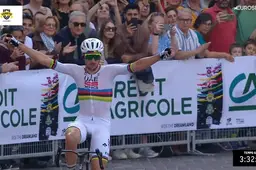
McNulty finally flies the rainbow flag and ends his season on a high at the Veneto Classic
Tom Pidcock pays special tribute to retiring brother Joey, but isn't totally happy: 'We had to settle for second place'
Wiggins Jr. gets his call up to the Jayco AlUla WorldTour team, alongside 3 other emerging talents
Latest Comments
- - The bike may be quick, but the article seems a bit too ready to credit the equipment for the result. Remco’s the one producing those watts—though I’ll admit, two minutes is a pretty convincing test ride.jennifer1918-10-2026
- - I’m still learning how time trials work: if Evenepoel caught Jay Vine, does that mean Vine started earlier, and do riders set off at fixed intervals?tourdeforce918-10-2026
- - A flat Tour TT on these roads would be brilliant viewing. Wide, fast courses really let the specialists show what they can do.davidm18-10-2026
- - Fourteen wins in a season is some going. He sounded focused on his own effort rather than the riders ahead, which is exactly the mindset you want in a race against the clock.michael5418-10-2026
- - Catching Vine and putting over two minutes into him is an enormous statement. That new Specialized clearly suits Remco—keen to see how it performs over a longer Tour time trial.raceready718-10-2026
- I’m still trying to understand the history here—why was insulin being used alongside amphetamines? Was that common in cycling at the time?cyclechamp4518-10-2026
- Hard to take the article’s “recovered” line at face value when it ends by raising concerns about team entourages. Cycling has made huge changes, but scrutiny still matters.velodromevirtuoso118-10-2026
- The detail about riders deliberately pushing him off the road is shocking. Do we know whether anyone ever faced consequences for that?pedalpowe2918-10-2026
- Bassons’ story is a grim reminder of what speaking up could cost in that era. Fair play to him for holding his ground when it meant being isolated by his own team.tourdeforce918-10-2026
- I’m still learning how team contracts work: if Barguil had ended his deal before 2018, could the team have left him out of the Tour, or was his place already agreed?sprocketspiny18-10-2026
Loading