🎥 "There's prestige just in finishing": Roubaix's last man speaks about determination to finish
Cycling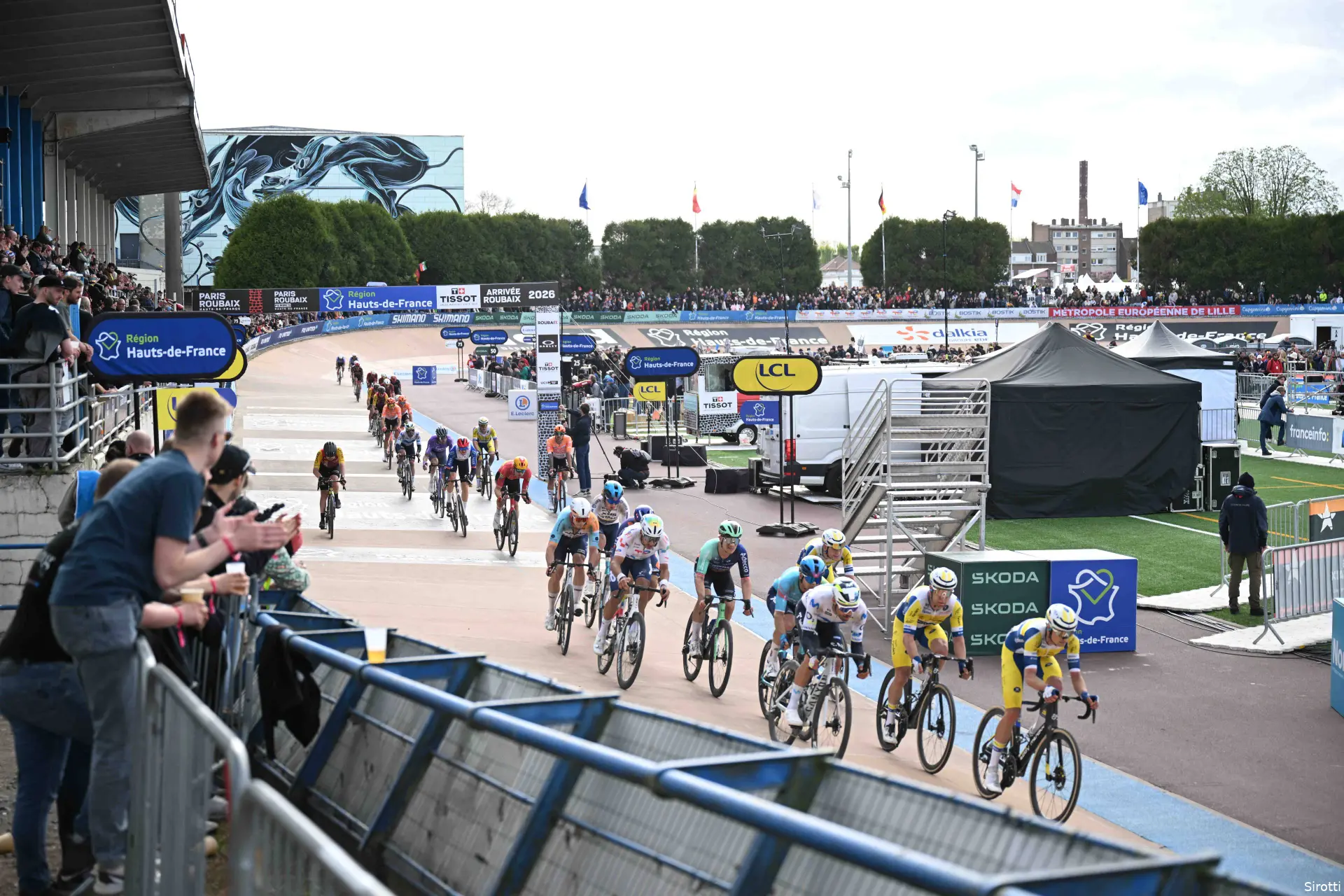
Follow IDL Pro Cycling on Google
Stay up to date with the best cycling news by making us a preferred source on Google.
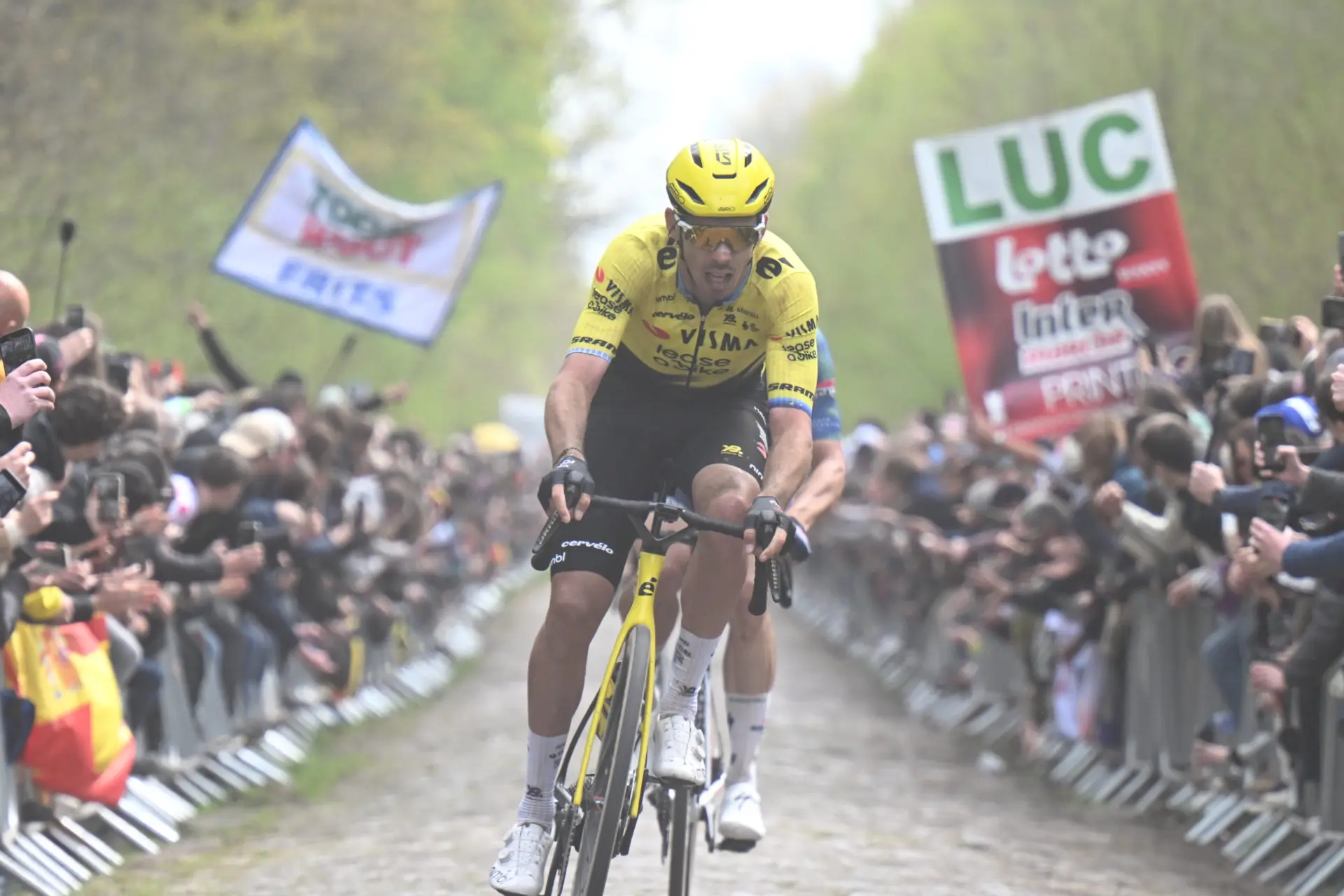
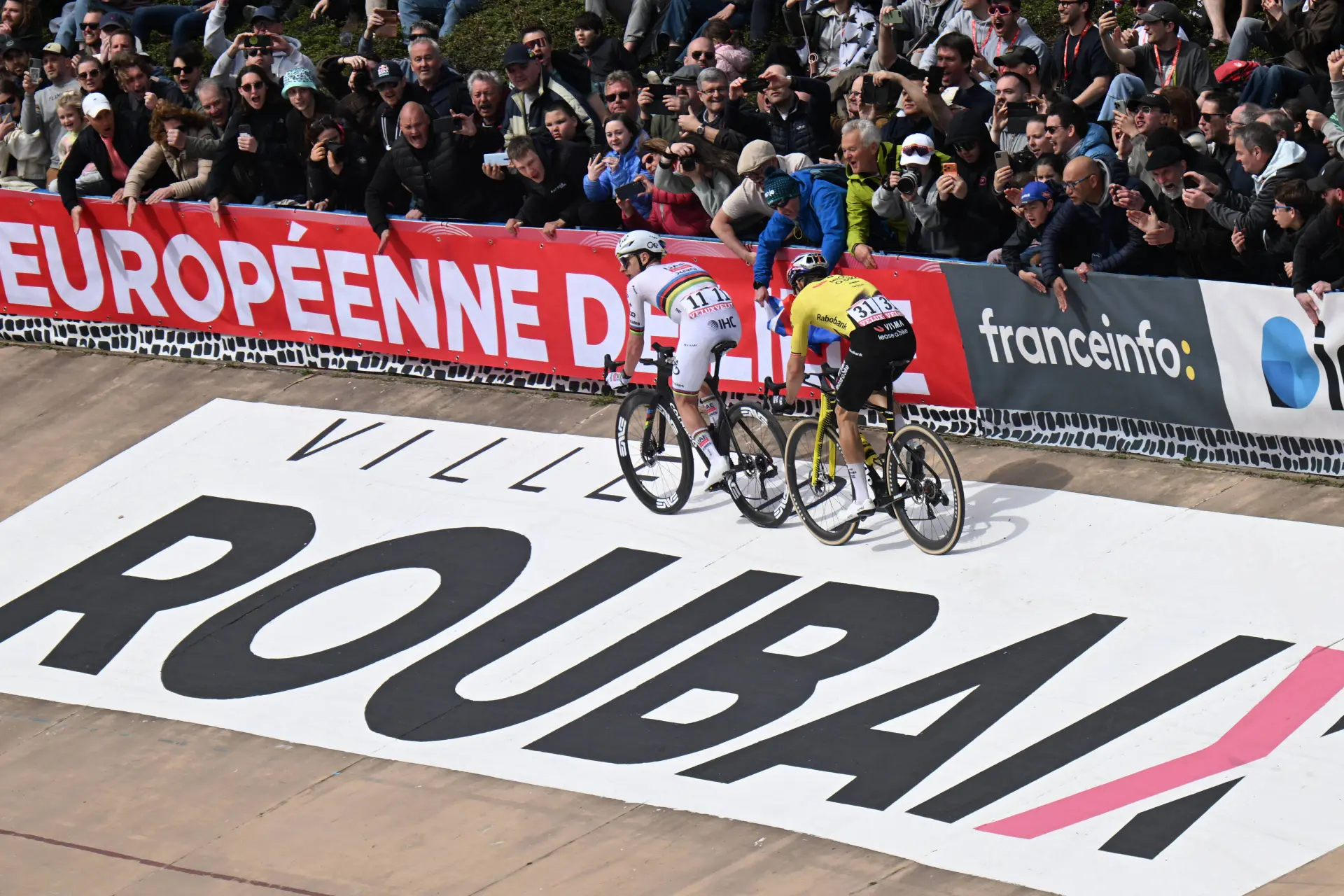
Follow us on GoogleParis-Roubaix is the race where everyone has a story, from first to last. 2026 was no different. Wout van Aert (Visma | Lease a Bike) won the race, but at the Hell of the North, there is a prestigious honour for finishing in last place: the lanterne rouge. In the official results yesterday that man was Benjamin Thomas (Cofidis, 140th). But one rider was hell-bent on finishing his first Roubaix on the famous velodrome, even though he was outside the time limit re: EF Education-EasyPost's Alastair MacKellar.
ADVERTISEMENT
The 24-year-old Australian was determined to reach the Roubaix Vélodrome, as he explained on Instagram after the Hell of the North.
“You grow up watching this race, hearing all the stories. It’s the only one where there’s a bit of prestige just in finishing—even if you’re outside the time limit." he said.
"So for me, more than anything, it’s something I’ll carry for the rest of my life—knowing I finished Paris-Roubaix," added the Queenslander.
Video: the (real) lanterne rouge at Paris-Roubaix
(swipe for video)
What is the Lanterne Rouge in cycling?
The lanterne rouge come from the Tour de France. French for red lantern, it refers to the red lantern hung on the rear vehicle of a passenger railway train which signalmen would look for in order to make sure none of the couplings had become disconnected.
In the cycling world, the lanterne rouge is the rider who finishes the race last, within the time limit. To finish inside the time limit, they must finish the race within a certain percentage of the winner's overall time.
While the award originated at the Tour de France—famous overall LR winners include Sir Mark Cavendish, Caleb Ewan and Lawson Craddock—it is also applied to other races too. As Paris-Roubaix is the hardest one day race to finish, the lanterne rouge here is a big honour.
And there is glory in still finishing the race, even outside the time cut, as MacKellar did yesterday. On Instagram, his team were "proud of his resilience and fight".
David Bavin-HobbsChief Editor
David has been working in the sports & cycling industry for 16 years. Covering racing, business and technology, he has worked in communications for cycling companies, teams, and as a journalist. His proudest achievement is winning the first bike race he ever entered. He hasn't won a race since.
IDL-productions
Rumours, speculation and guesswork: 2027 Tour de France route will be revealed live on October 22 in Paris
Vollering adds the Women’s European Championships road race jersey to her rainbow wardrobe
16-day Grand Tours, AI, VAR, drones and more: The UCI's new document has a potentially major impact from 2029 onwards
Quinn Simmons' Strava shows exactly what it takes to compete at the World Championships: ‘I said, Hey guys, anything is possible'
Despite losing the World Championships, Del Toro and Seixas rank high mentally and physically on the Pogačar scale
Latest Cycling News
Lidl-Trek announces 'homecoming' arrival of Filippo Ganna: Italian signs 3-Year contract
Ciccone is looking forward to partnering with Pidcock at new team: 'I hope we can build something special together.'
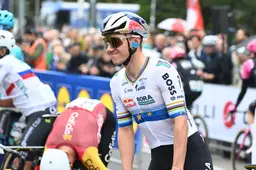
Laurens ten Dam labels Evenepoel 'vulnerable ' after Lombardy performance: 'He puts on weight quickly'
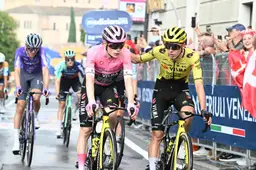
Piganzoli will desperately need Vingegaard for major plans at Visma: 'A source of inspiration'
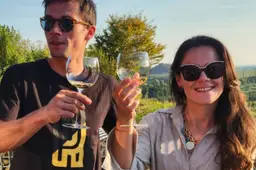
Primož Roglič isn't sure whether he'll continue cycling, but his wife Lora has already spoken out.
Popular Cycling News
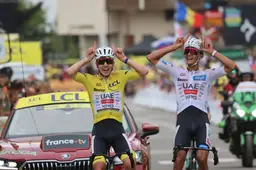
The Tour de France responds to the UCI's radical Grand Tour plan; the Giro and Vuelta are also opting out
UAE and Del Toro explain Tour of Lombardy collapse with (very) few words: ‘ Proud of the efforts in Italy’
Primož Roglič isn't sure whether he'll continue cycling, but his wife Lora has already spoken out.
Il Lombadria Strava analysis shows 2026 Paul Seixas outshines 2022 Tadej Pogačar on the Civiglio
Not Laporte, but Per Strand Hagenes wins Paris-Tours for Visma | Lease a Bike
Latest Comments
- The “king is dead” line feels premature. Pogačar has dominated this race for years, and one brilliant Seixas win doesn’t mean his reign is over. The article leans a bit too hard into the hype.patriciaw12-10-2026
- How does Seixas’s win compare with Gerbi’s in 1905? Was the race anything like the Lombardia riders face today?michael5412-10-2026
- Evenepoel finishing fourth while apparently struggling is still a solid result, though it’s surprising he couldn’t carry his European title form into the race.bikebuffj12-10-2026
- Nibali’s point about Del Toro racing Gran Piemonte makes sense. UAE needed him fresh for Lombardia, especially with Pogačar absent.jeremya12-10-2026
- Seixas looked completely in control on Civiglio. Winning Lombardia at that age is extraordinary; the comparisons with Pogačar are inevitable, but he deserves to be judged on his own ride.tourdeforce912-10-2026
- How can he race a mountain-bike event just 15 hours after Lombardia? Does that mean he had to recover on the way there? I’m still figuring out how these races fit together!sprocketspiny12-10-2026
- Winning Lombardia without Pogačar there is still a huge achievement, though the headline makes it sound like Seixas is already chasing him personally. Is there any indication he’s actually considering UAE for 2028?andrewf12-10-2026
- The UAE interest is worth watching, but he’s under contract through 2027 and Decathlon clearly have a major talent to build around. No need to rush the transfer speculation.samanthak12-10-2026
- He’s right to keep Pogačar as the benchmark rather than claiming he’s already there. Second at Strade and Liège, plus fourth on his Tour debut at 19, is an incredible platform.robert6512-10-2026
- Seixas attacking on the Civiglio and then lining up at Roc d’Azur the next day is wild. The win matters, but that appetite to race says a lot about him.julien12-10-2026
Loading