32.1 kilometers, 2:10 to claw back: The numbers Primož Roglic needs to hit to overtake Mas at the Vuelta
Cycling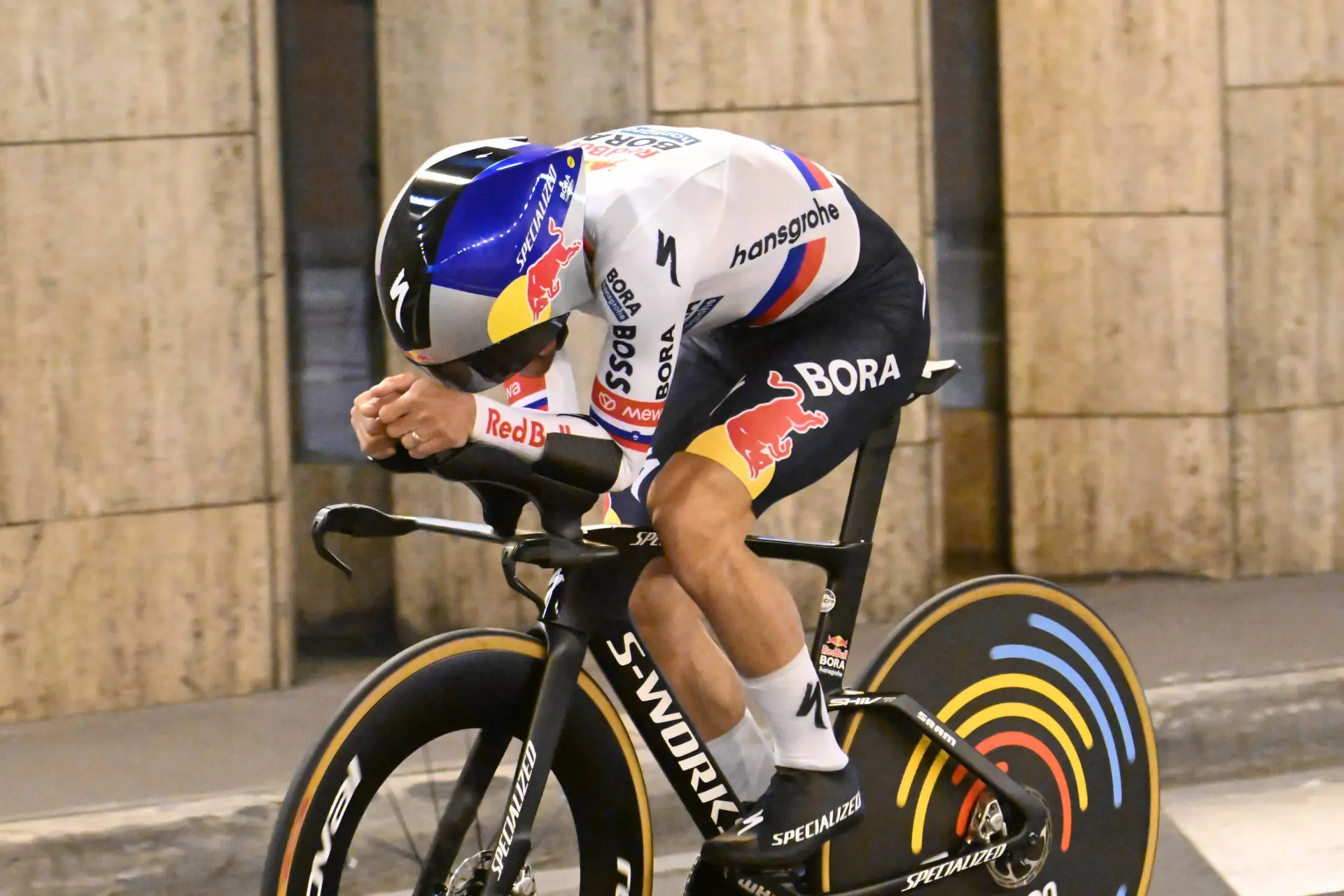
Follow IDL Pro Cycling on Google
Stay up to date with the best cycling news by making us a preferred source on Google.
Follow us on GoogleThe 32.1-kilometer flat time trial on stage 18 of the Vuelta a España is the day Primož Roglič has been waiting for, and Enric Mas has been dreading. Roglič trails Mas by 2:10 in the general classification, and the race against the clock from El Puerto de Santa María to Jerez de la Frontera is a time trial specialists dream. I.e. pan flat, with only a few sections where the pace drops. It represents Roglič's best, and perhaps only, chance of overturning the deficit to Mas. But can 32 kilometers of flat Andalusian road actually erase a gap that large? The numbers from their past encounters suggest it can.
ADVERTISEMENT
Roglič has caught Mas before
The most relevant historical comparison comes from the 2021 Vuelta a España. Roglič clocked a time of 44:02 to beat Magnus Cort by 14 seconds in the 33.8km time trial in Galicia, securing a third consecutive red jersey in the process.
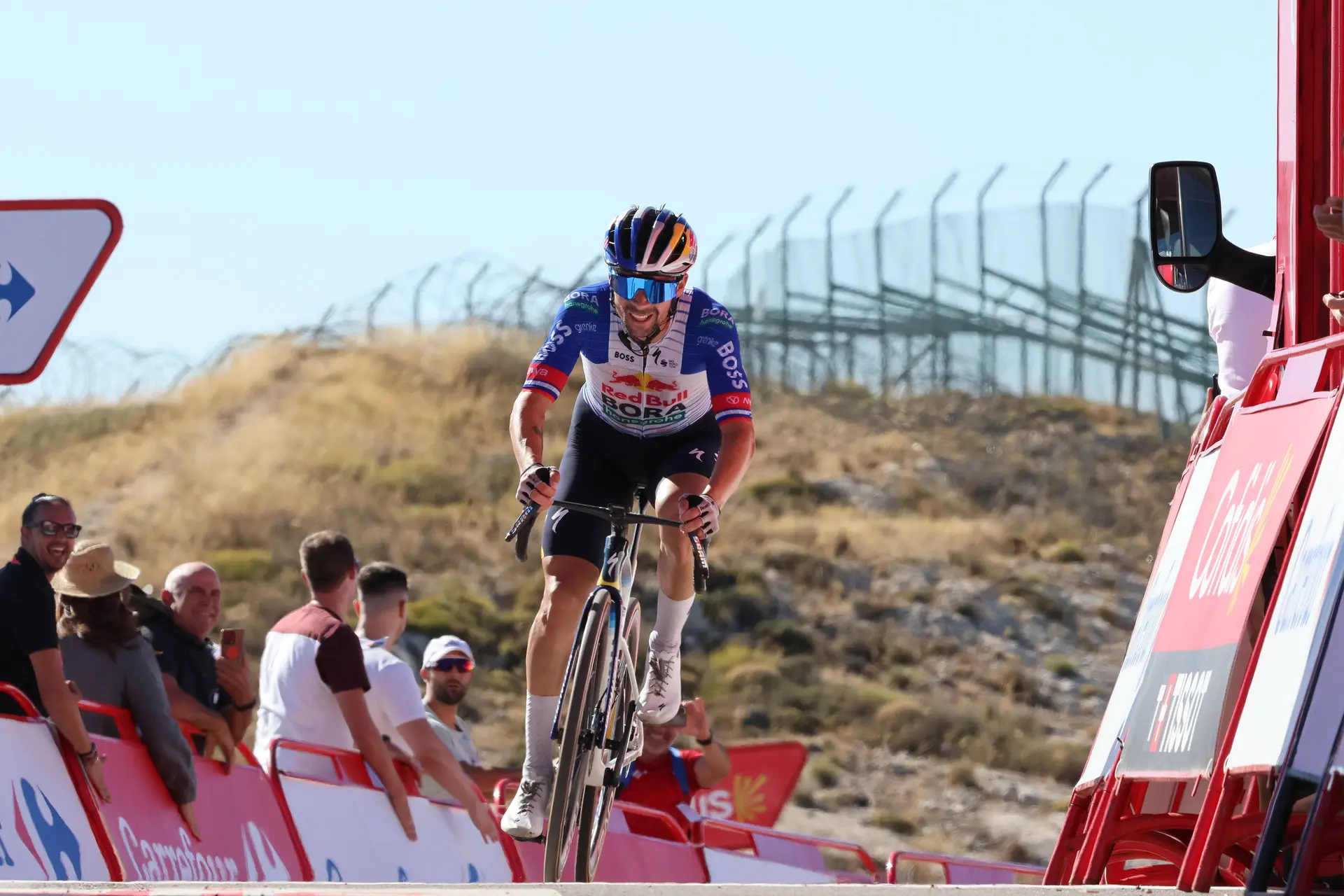
Mas finished 9th, with a time gap of 124 seconds, meaning Roglič gained over two minutes on the Spaniard in a single day. Mas was Roglič's two minute man on that day, and the Slovenian caught and overtook him. Images that will be seared into in the race leader's brain as he lines up for the TT on stage 18.
Read more below the photo!

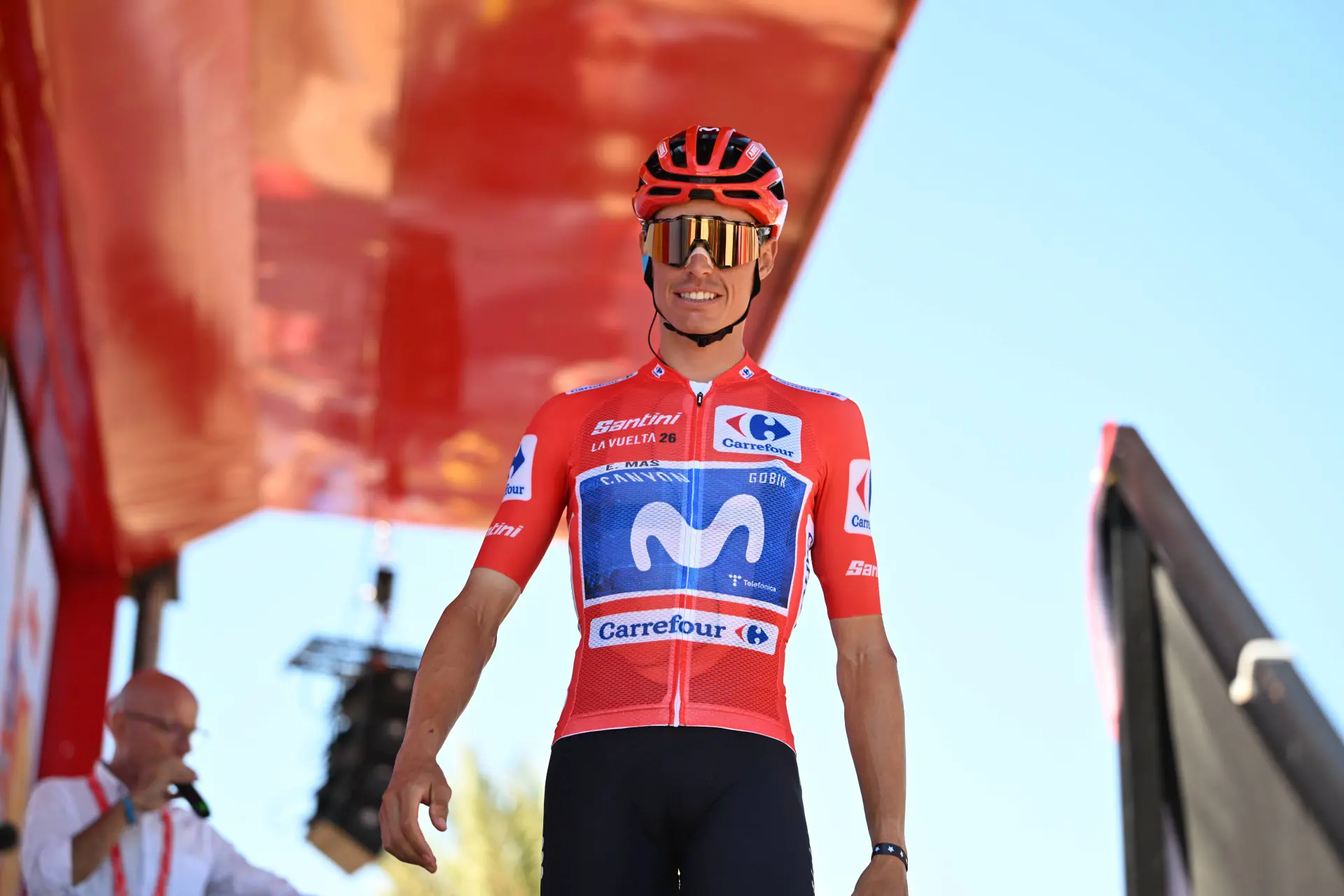
Mas and Roglic have history at the Vuelta
Mas does not have happy memories of Vuelta time trials
It is worth noting that Mas may have been riding conservatively that day, since Mas had a 2:10 lead over third-place Haig coming into the final time trial and his podium spot was safe. The 2021 result was not an outlier. In the 2020 Vuelta stage 13 time trial (33.7km), Mas had what he described as "a disaster" of a day and could only manage 16th place, bettered by all four riders who started above him in the overall standings: Primož Roglič, Richard Carapaz, Hugh Carthy, and Dan Martin.
A flat time trial of almost the exact same length (25.8km) during the 2023 Vuelta saw Enric Mas and Mikel Landa as "the serious contenders to lose more than 1:30." That was on a shorter course. Over 32 kilometers the expected gap could be well over 2 minutes.
On paper, the pattern is clear: in flat time trials of 25 to 34 kilometers, Roglič has consistently been 1:30 to 2:00 or more faster than Mas. A 1:46 deficit is within that range.
Read more below the video!
Read also
Mas and Valverde know what's coming
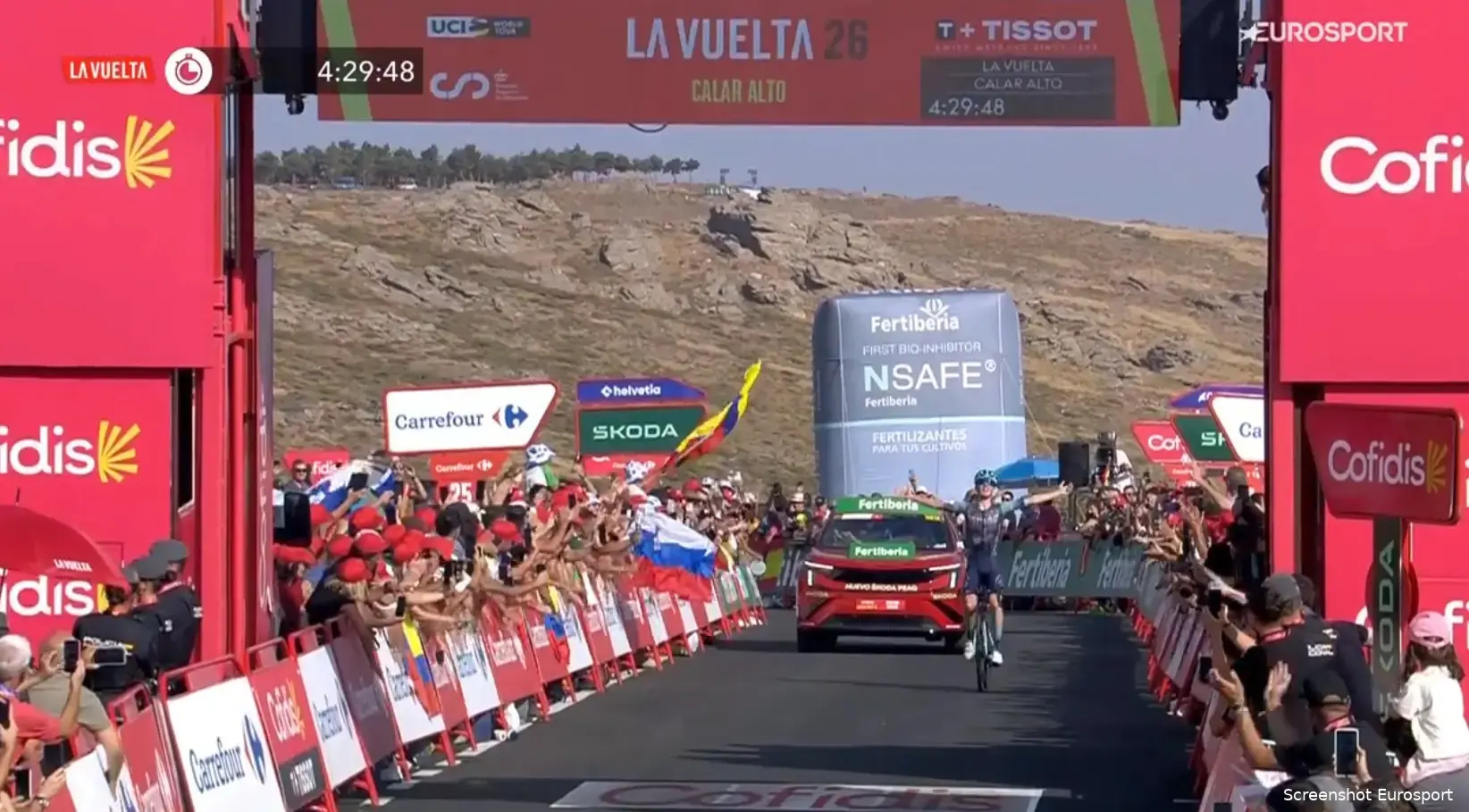
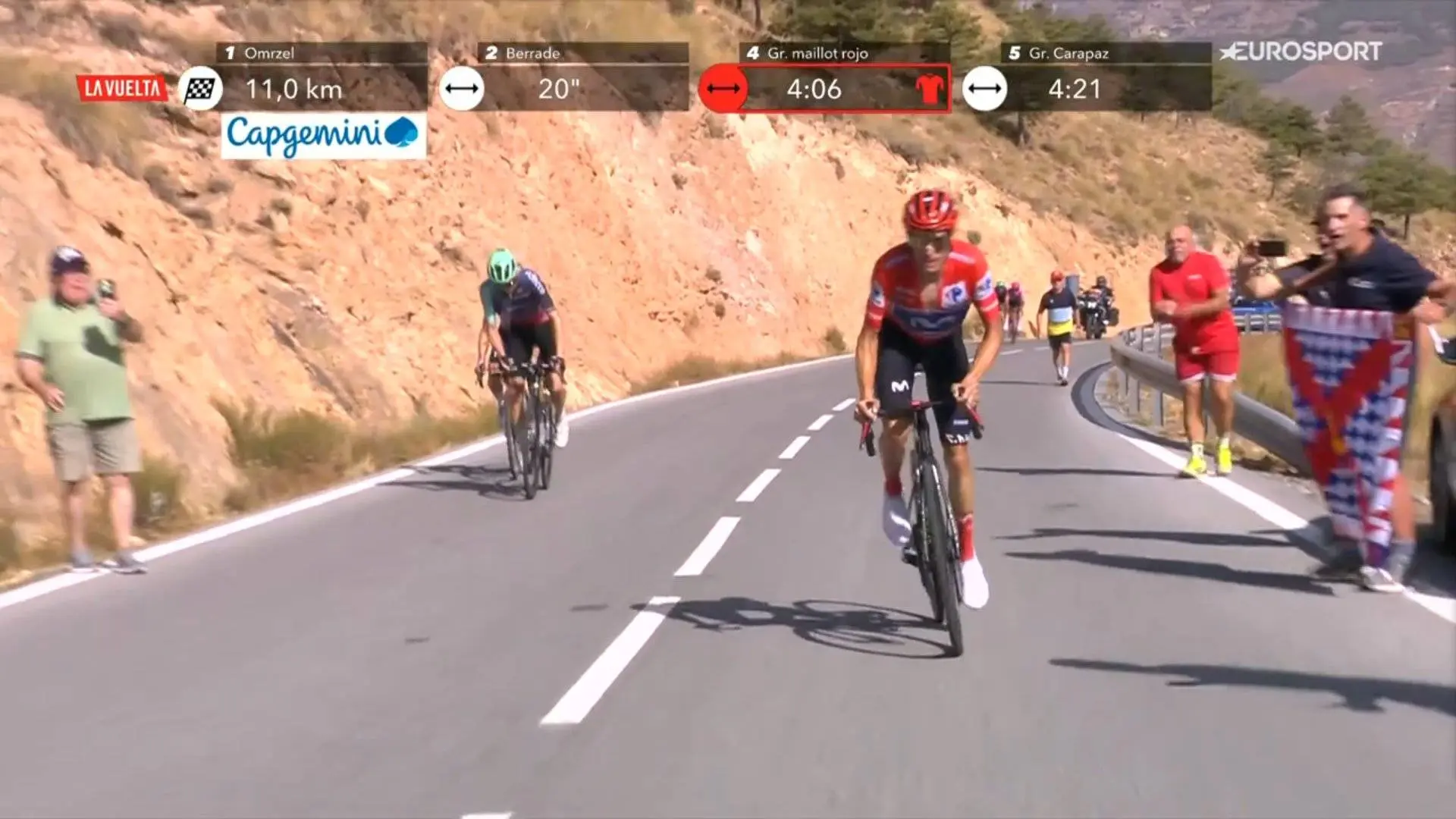
The Spaniard is fully aware of the threat. After extending his lead by 27 seconds on Calar Alto in stage 12, Mas told media: "Those 27 seconds are important for next week, I am happy about that." He then offered a revealing acknowledgment of Roglič's superiority against the clock. "We have to be aware that Primoz Roglic is an Olympic champion and has an impressive time," Mas said, according to AM850.
Spanish national coach Alejandro Valverde also identified Roglič and the time trial as the biggest threat to Mas's red jersey: "We know who Roglic is," said Valverde after stage 11. "It’s clear that he may not be the same Roglic he used to be, but he still fights for everything, and we still have a stage ahead of us where he can make up time—namely, the time trial in the third week."
Read more below the photo!

Red Bull are conservative but hopeful at the Vuelta
From the Red Bull camp, there is a similar recognition that the equation is finely balanced. "I'm not going say a clear number on that," Vanthourenhout told Cyclingnews when asked how much time he thought Roglič could lose before it became impossible to beat Mas. "But let's say that from now on, every time we lose, it's not the best."
Red Bull team manager Patxi Vila is confident the time trial suits Roglič and believes the Slovenian can still win this Vuelta. The question is whether stage 18 will deliver the decisive blow, or merely narrow the gap.
Read also
Read on below the video!
Maths is one thing, strong legs at the end of a Grand Tour is another
The course looks ideal for Roglič. With just 169 meters of elevation gain over 32.1 kilometers, it is a pure test of raw power on flat roads. Wind could be as important as the clock along the coast near Cádiz, but unpredictable gusts would likely hurt the slight lighter Mas (61kg) a bit more than Roglič.
Primož Roglič is a four-time Vuelta a España champion (2019, 2020, 2021, 2024) and the 2021 Olympic time trial gold medalist, but this is a very different version of the Slovenian. He was hit by a car during training before the Vuelta and lost five weeks of preparation.
Unlike the Roglič of old, He has not launched a single real attack in 12 stages of this Vuelta. He is 36 years old. And even if he closes the gap in Jerez, the race does not end there.
The Vuelta time trial is not the end of the race
Stage 20 from La Calahorra to Collado del Alguacil has more than 5,000 metres of climbing and a monster 8.3km final ascent averaging 9.8 per cent. There is also a summit finish on stage 19 to Peñas Blancas. Those are stages tailor-made for Mas to fight back in the mountains where he is strongest.
The pure maths says Roglič can close a 2:10 gap against Mas in a flat time trial of this length. The precedent says he has done it before. But the 2026 version of Roglič, rebuilding fitness after a car accident at 36, is asking his body to do something it might no longer be able to do.
Stage 18 will reveal much at the 2026 Vuelta a España, but whether it provides a decisive GC move or just a nerve-racking day for Enric Mas, remains to be seen.
Read also
David Bavin-HobbsChief Editor
David has been working in the sports & cycling industry for 16 years. Covering racing, business and technology, he has worked in communications for cycling companies, teams, and as a journalist. His proudest achievement is winning the first bike race he ever entered. He hasn't won a race since.
IDL-productions
Team GB dominate, China on the rise, Lavreysen the best ever? Five takeaways from the 2026 Track World Championships
Track World Championships day 2: A golden day for Team GB, Levreysen goes 2 for 2, and Kopecky eliminates the competition
Rumours, speculation and guesswork: 2027 Tour de France route will be revealed live on October 22 in Paris
Vollering adds the Women’s European Championships road race jersey to her rainbow wardrobe
16-day Grand Tours, AI, VAR, drones and more: The UCI's new document has a potentially major impact from 2029 onwards
Latest Cycling News
More drama for Picnic PostNL, who are not among the UCI WorldTour licence applicants for 2027
Wiggins Jr. gets his call up to the Jayco AlUla WorldTour team, alongside 3 other emerging talents
Marcel Kittel, Wout van Aert, and Marianne Vos partied at a cycling festival in Ibiza: 'To avoid a major hangover'
Team GB dominate, China on the rise, Lavreysen the best ever? Five takeaways from the 2026 Track World Championships
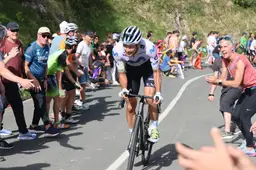
Javier Romo leaves Movistar to become Netcompany INEOS's 8th signing of 2026
Popular Cycling News
20 Years on from 'DisneyLandis', the too-good-to-be-true 130km alpine raid, where is Floyd Landis now?
Marcel Kittel, Wout van Aert, and Marianne Vos partied at a cycling festival in Ibiza: 'To avoid a major hangover'
On the final race day of 2026, Tadej Pogacar reveals his goals for 2027
McNulty finally flies the rainbow flag and ends his season on a high at the Veneto Classic
Tom Pidcock pays special tribute to retiring brother Joey, but isn't totally happy: 'We had to settle for second place'
Latest Comments
- - The bike may be quick, but the article seems a bit too ready to credit the equipment for the result. Remco’s the one producing those watts—though I’ll admit, two minutes is a pretty convincing test ride.jennifer1918-10-2026
- - I’m still learning how time trials work: if Evenepoel caught Jay Vine, does that mean Vine started earlier, and do riders set off at fixed intervals?tourdeforce918-10-2026
- - A flat Tour TT on these roads would be brilliant viewing. Wide, fast courses really let the specialists show what they can do.davidm18-10-2026
- - Fourteen wins in a season is some going. He sounded focused on his own effort rather than the riders ahead, which is exactly the mindset you want in a race against the clock.michael5418-10-2026
- - Catching Vine and putting over two minutes into him is an enormous statement. That new Specialized clearly suits Remco—keen to see how it performs over a longer Tour time trial.raceready718-10-2026
- I’m still trying to understand the history here—why was insulin being used alongside amphetamines? Was that common in cycling at the time?cyclechamp4518-10-2026
- Hard to take the article’s “recovered” line at face value when it ends by raising concerns about team entourages. Cycling has made huge changes, but scrutiny still matters.velodromevirtuoso118-10-2026
- The detail about riders deliberately pushing him off the road is shocking. Do we know whether anyone ever faced consequences for that?pedalpowe2918-10-2026
- Bassons’ story is a grim reminder of what speaking up could cost in that era. Fair play to him for holding his ground when it meant being isolated by his own team.tourdeforce918-10-2026
- I’m still learning how team contracts work: if Barguil had ended his deal before 2018, could the team have left him out of the Tour, or was his place already agreed?sprocketspiny18-10-2026
Loading
