UCI puts a last-minute stop to special format of the Eneco Tour prologue: 'We’ve reached a good compromise'
Cycling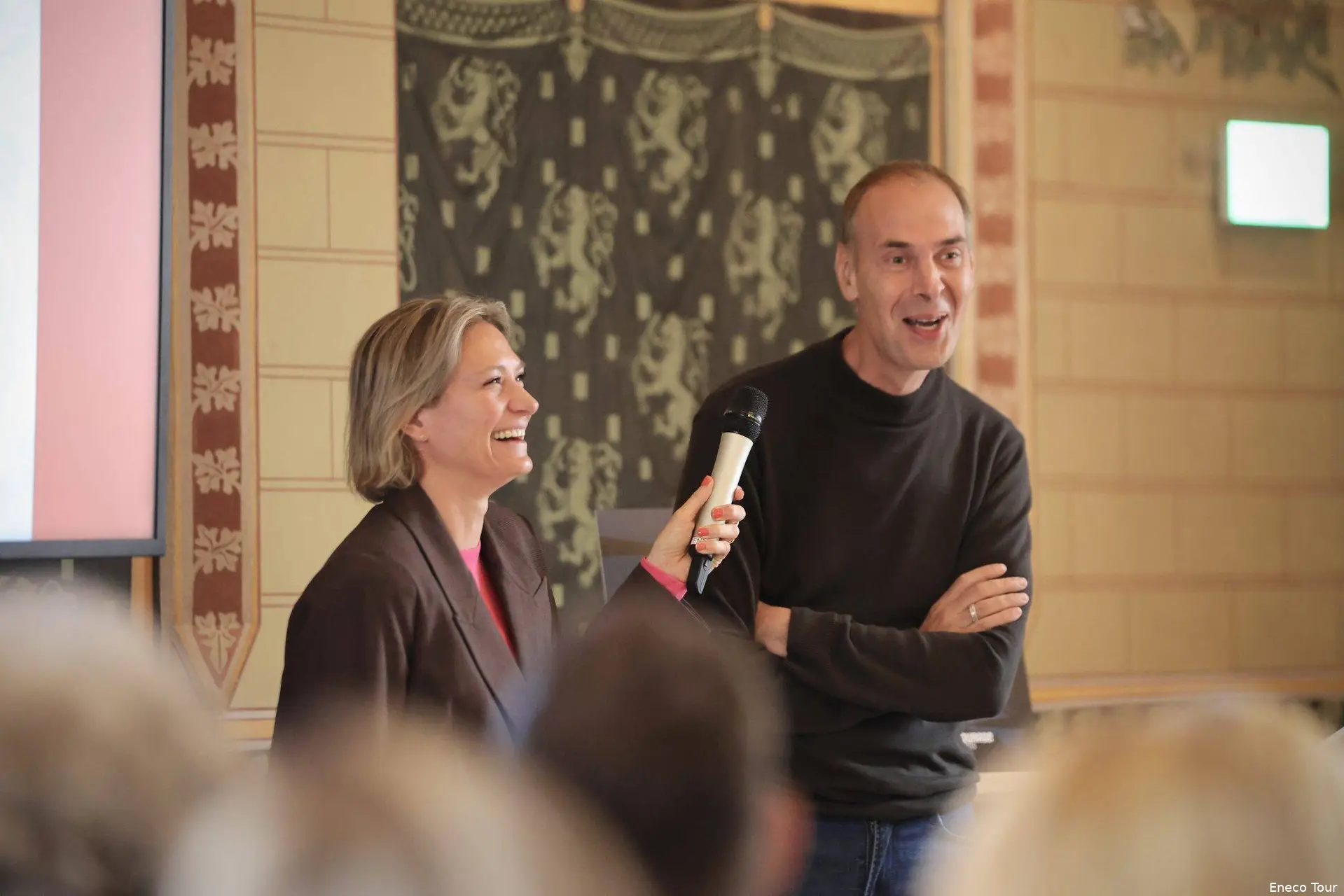
Follow IDL Pro Cycling on Google
Stay up to date with the best cycling news by making us a preferred source on Google.
Follow us on GoogleThe Eneco Tour kicks off this evening. The Dutch stage race—which last year was known as the Tour of Holland for men and the Simac Ladies Tour for women—begins with a prologue in The Hague. A special format had been devised for this: the men and women were to start alternately. However, the UCI has now put a stop to that.
ADVERTISEMENT
UCI cited insurance issues with the proposed format, compromise reached
It was an extremely unique format for the Eneco Tour. Never before had men and women taken turns starting in a time trial. The riders would also meet later in the stage race: the final stage would start simultaneously for both men and women. These were great plans from director Roxane Knetemann, but the UCI wasn’t having it.
Read also
"The idea was to have them start alternately, but the UCI didn't quite agree with that," she tells Sporza. "They pointed out that these are two separate races, and from an insurance standpoint, they found that very concerning. So in our enthusiasm, we may have moved a little too fast for the UCI. But we’ve reached a good compromise."
"Now we'll have 30 women start, then 30 men, then another 30 women, and so on in alternating time blocks," explains the Dutchwoman. “That way, we still have that sense of integration that we consider very important. We’re going to enjoy a wonderful evening in The Hague, because the prologue is being held in the evening, where women’s and men’s sports will be mixed together.”
Read more below the photo!

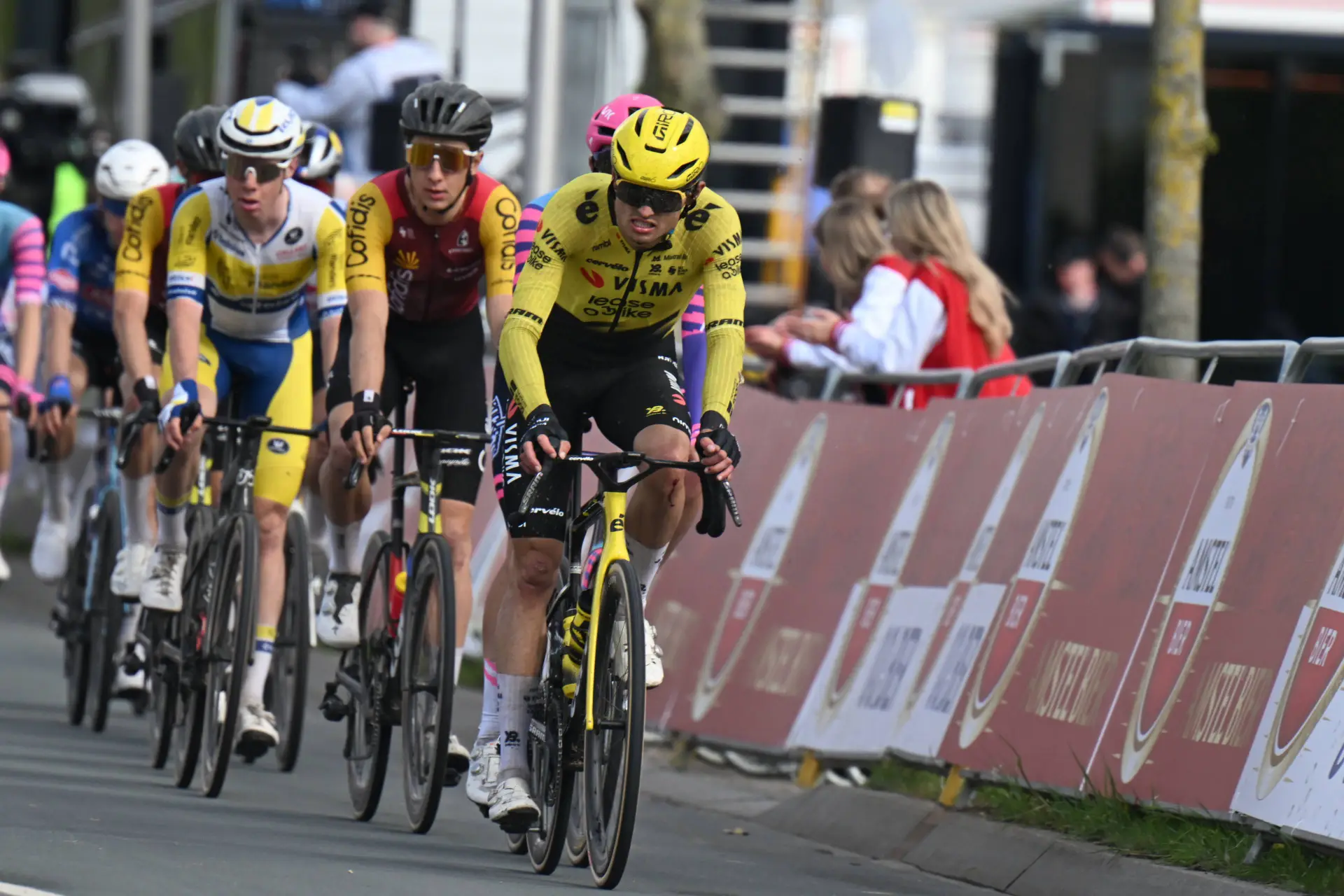
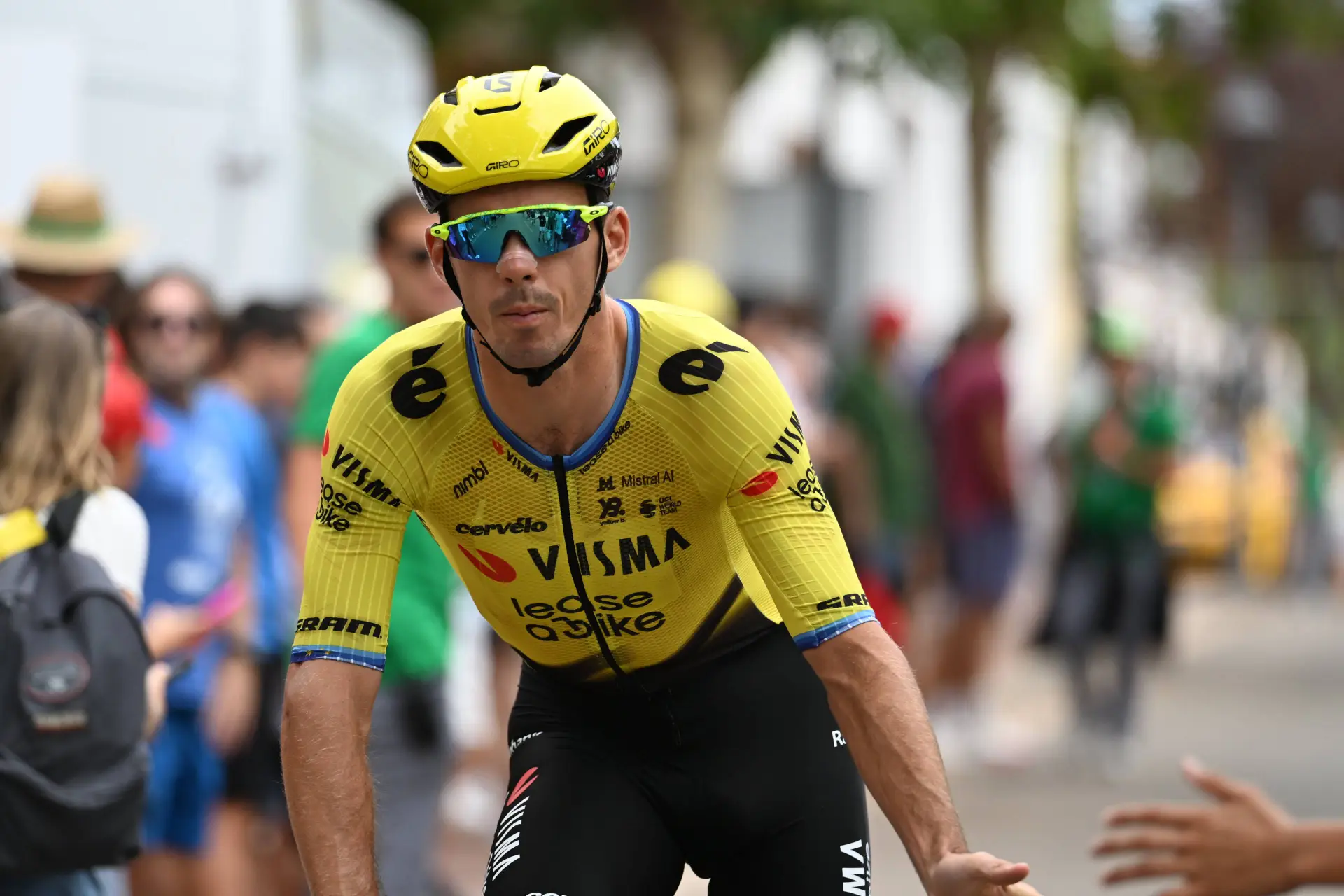
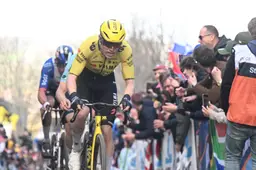
Christophe Laporte won last year's Tour of Holland, the predecessor to the Eneco Tour.
Knetemann takes significant measures
Last year, the Tour of Holland and the Simac Ladies Tour were held on different dates, but the decision has now been made to hold the races at the same time. This has mainly advantages, says Knetemann.
“You have not one, but two top sporting events in quick succession, and they reinforce each other. We’re showcasing elite sports, but we also want to inspire people. The women’s division is an integral part of that.”
It is difficult, though. Organising two races at the same time presents many challenges. “Organising a race in the Netherlands is challenging enough on its own, let alone two. The challenge is twice as big. It requires a lot of thought about many different things, including logistics. You don’t need just one location for a fleet of vehicles—you need two. And one fleet has to be able to leave while the other is in the race.”
Knetemann is also taking far more safety measures than last year. The organisers have primarily opted for closed loops, and there is increased security. “Last year we didn’t have a police escort, which made things even more complicated; this year, we do have one for three stages. We’ve also tripled the number of motorcycle escorts for safety.”
Read also
Clarice WebsterEditor
Clarice has been following cycling her whole life, wroting about Thibaut Pinot (among others) for her university magazine while earning her masters in Journalism. She is passionate about furthering equality in sports coverage, and has taken huge inspiration from pillars of women’s cycling like Beryl Burton, Marianne Vos, and Laura Kenny.
IDL-productions
Rumours, speculation and guesswork: 2027 Tour de France route will be revealed live on October 22 in Paris
Vollering adds the Women’s European Championships road race jersey to her rainbow wardrobe
16-day Grand Tours, AI, VAR, drones and more: The UCI's new document has a potentially major impact from 2029 onwards
Quinn Simmons' Strava shows exactly what it takes to compete at the World Championships: ‘I said, Hey guys, anything is possible'
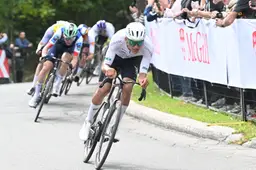
Despite losing the World Championships, Del Toro and Seixas rank high mentally and physically on the Pogačar scale
Latest Cycling News
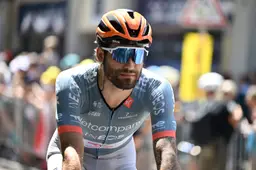
Filippo Ganna leaves INEOS and signs 'homecoming' 3-Year contract with LidL-Trek
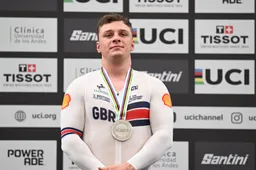
Richardson under official investigation after alleged racial slur and unpleasant behaviour towards teammates
Primož Roglič isn't sure whether he'll continue cycling, but his wife Lora has already spoken out.
The Tour de France responds to the UCI's radical Grand Tour plan; the Giro and Vuelta are also opting out
Sean Kelly reflects on historical Tour of Lombardy, but questions Pidcock's mental game: 'You have to fight like a dog'
Popular Cycling News
The Tour de France responds to the UCI's radical Grand Tour plan; the Giro and Vuelta are also opting out
UAE and Del Toro explain Tour of Lombardy collapse with (very) few words: ‘ Proud of the efforts in Italy’
Primož Roglič isn't sure whether he'll continue cycling, but his wife Lora has already spoken out.
Il Lombadria Strava analysis shows 2026 Paul Seixas outshines 2022 Tadej Pogačar on the Civiglio
Not Laporte, but Per Strand Hagenes wins Paris-Tours for Visma | Lease a Bike
Latest Comments
- The “king is dead” line feels premature. Pogačar has dominated this race for years, and one brilliant Seixas win doesn’t mean his reign is over. The article leans a bit too hard into the hype.patriciaw12-10-2026
- How does Seixas’s win compare with Gerbi’s in 1905? Was the race anything like the Lombardia riders face today?michael5412-10-2026
- Evenepoel finishing fourth while apparently struggling is still a solid result, though it’s surprising he couldn’t carry his European title form into the race.bikebuffj12-10-2026
- Nibali’s point about Del Toro racing Gran Piemonte makes sense. UAE needed him fresh for Lombardia, especially with Pogačar absent.jeremya12-10-2026
- Seixas looked completely in control on Civiglio. Winning Lombardia at that age is extraordinary; the comparisons with Pogačar are inevitable, but he deserves to be judged on his own ride.tourdeforce912-10-2026
- How can he race a mountain-bike event just 15 hours after Lombardia? Does that mean he had to recover on the way there? I’m still figuring out how these races fit together!sprocketspiny12-10-2026
- Winning Lombardia without Pogačar there is still a huge achievement, though the headline makes it sound like Seixas is already chasing him personally. Is there any indication he’s actually considering UAE for 2028?andrewf12-10-2026
- The UAE interest is worth watching, but he’s under contract through 2027 and Decathlon clearly have a major talent to build around. No need to rush the transfer speculation.samanthak12-10-2026
- He’s right to keep Pogačar as the benchmark rather than claiming he’s already there. Second at Strade and Liège, plus fourth on his Tour debut at 19, is an incredible platform.robert6512-10-2026
- Seixas attacking on the Civiglio and then lining up at Roc d’Azur the next day is wild. The win matters, but that appetite to race says a lot about him.julien12-10-2026
Loading