Follow IDL Pro Cycling on Google
Stay up to date with the best cycling news by making us a preferred source on Google.
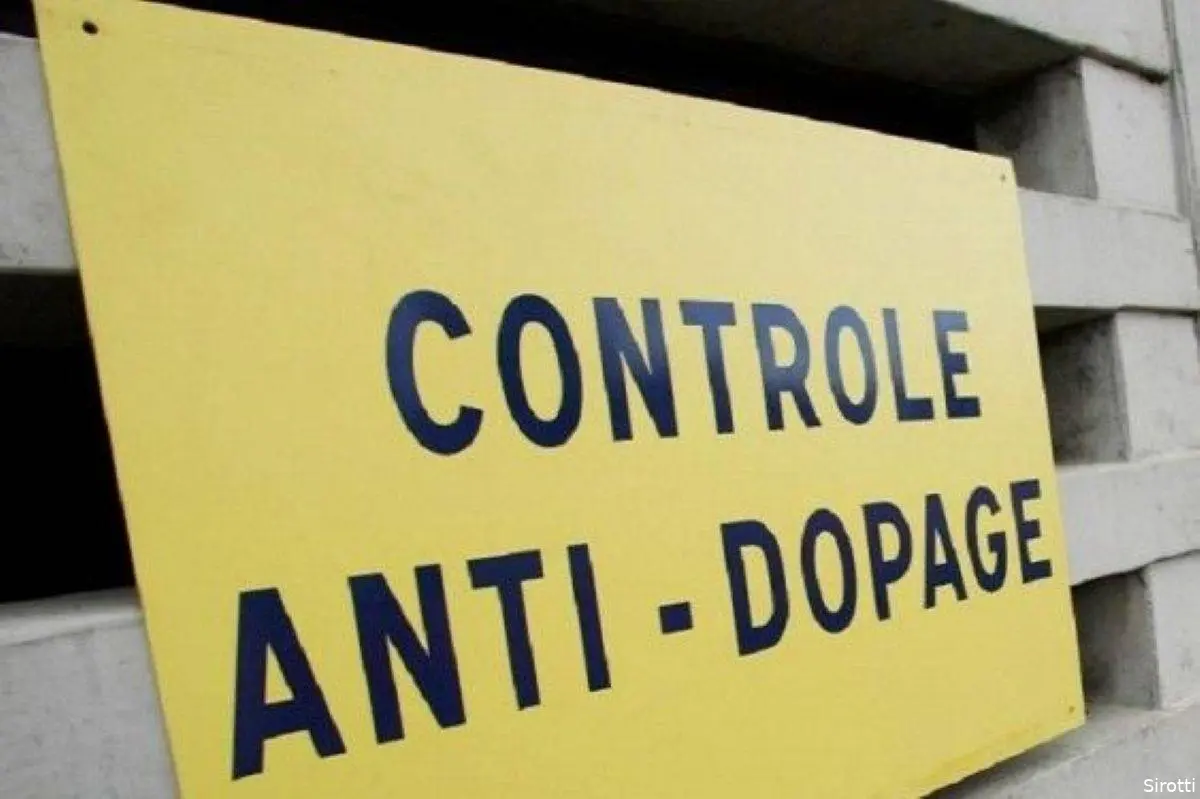
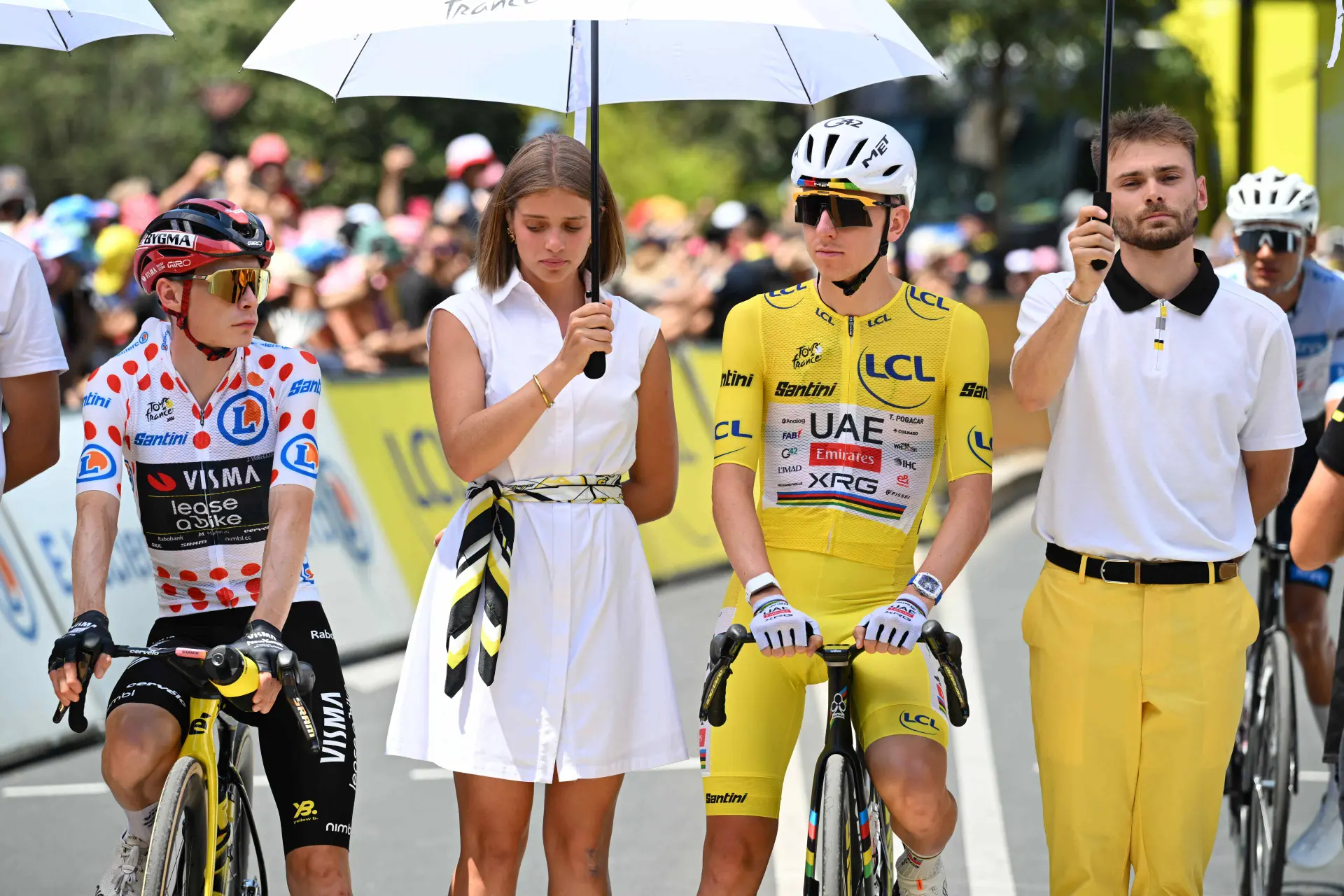
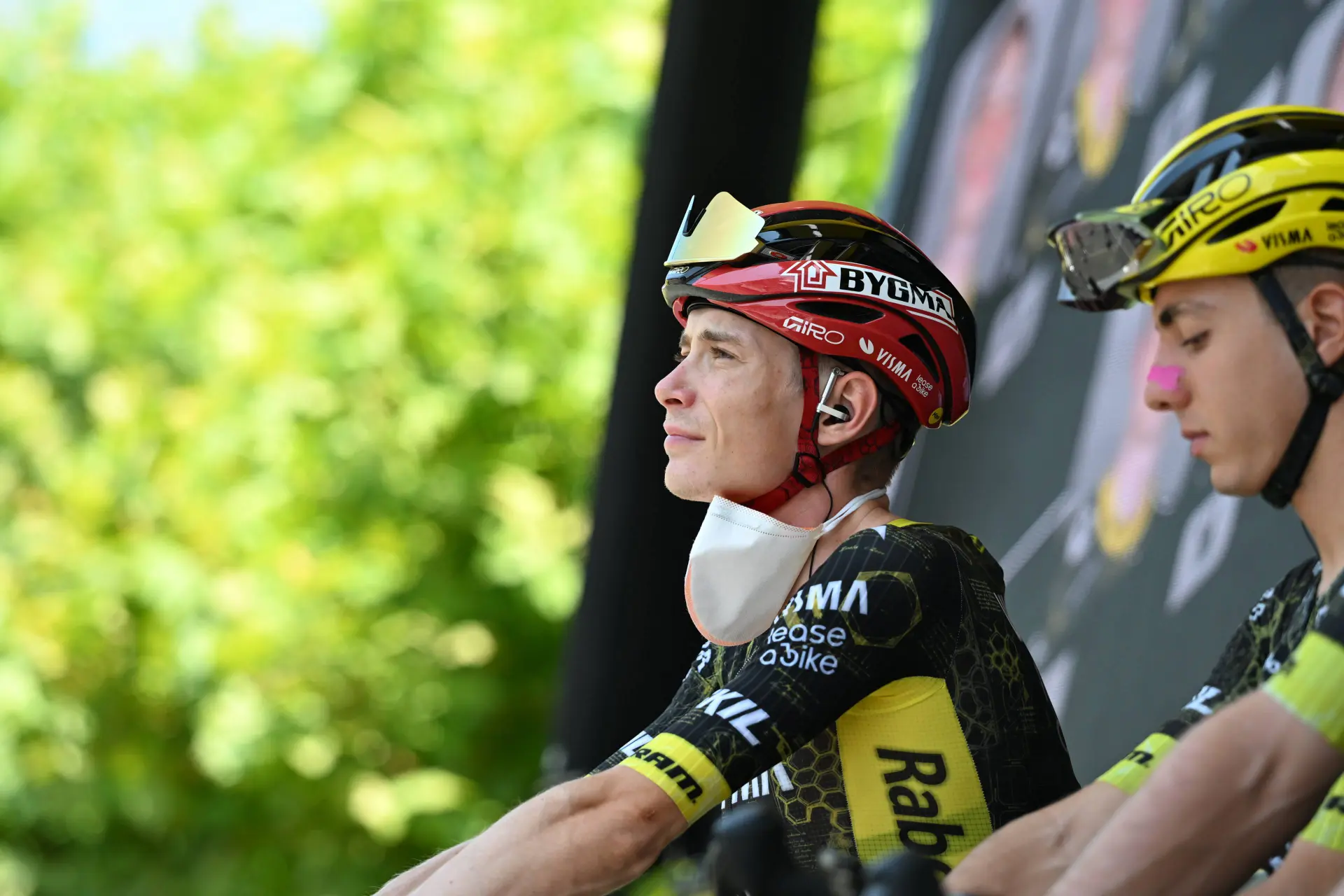
Follow us on GoogleWhat a day it was for Jonas Vingegaard. The Danish rider from Visma | Lease a Bike was forced to withdraw from the Tour de France, but his Sunday had already gotten off to a bad start. He was woken up at 2 a.m. for a doping test. Tadej Pogačar was next in line three hours later. This sparked outrage. Enough to compel the anti-doping authorities to respond.
ADVERTISEMENT
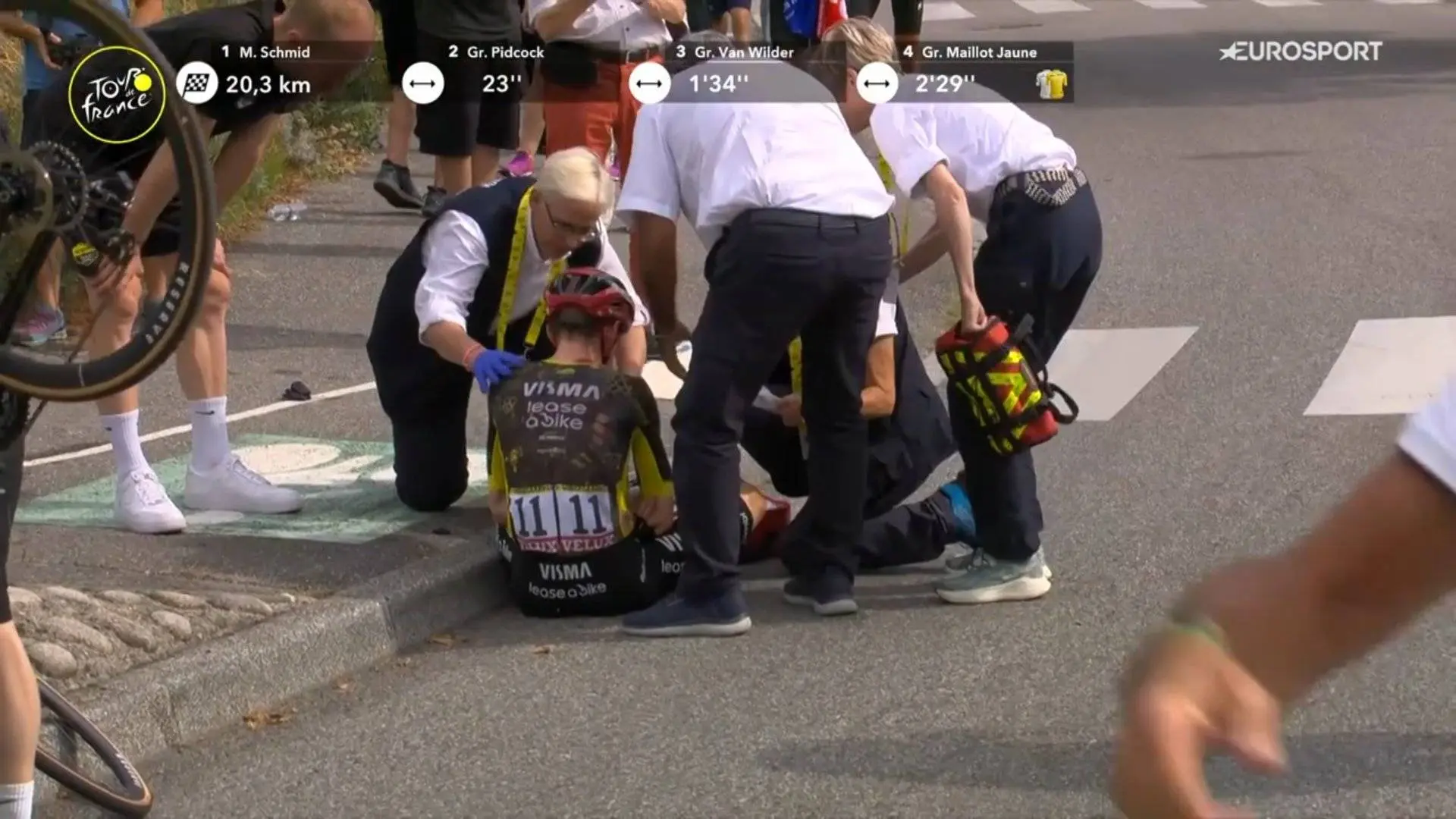
The night time doping tests were far from ideal for Vingegaard and Pogacar. Both riders reported having had a short, restless night’s sleep. When Vingegaard then crashed hard on stage 15, the connection was quickly made—even by his Slovenian rival. “That makes me wonder: maybe you’re less focused when your sleep has been ruined?” Whether that was the cause, we’ll never know. But whether it was necessary is still up for debate.
Feltet sought clarification from the International Testing Agency ( ITA), the body responsible for conducting doping tests during cycling races. “The ITA is aware that night time testing can disrupt riders’ sleep and recovery,” the response stated. “Appropriate precautions have therefore been taken to minimize the impact of testing activities on riders as much as possible.”
Read also
The ITA makes no mention of these appropriate precautions. When asked whether night time testing affects an athlete’s performance, reflexes, and mental fatigue, the Danish media outlet also received no response. Instead, the testing body emphasizes the importance of doping controls.
"On the other hand, the ITA, on behalf of the UCI, is responsible for the effectiveness of the anti-doping program in cycling and the integrity of the races," the organization continues. "Effective doping controls must therefore—to a certain extent and in a justified manner—also be able to take place outside the normal 24-hour period."
Read more below the photo!

ITA remains vague about night time inspections
The rules regarding these types of nighttime tests are clear. This may only take place if the rider himself specifies a 60-minute window between 11:00 p.m. and 6:00 a.m., or if the anti-doping authority has “serious and specific” suspicions that the athlete in question is actually involved in the use or trafficking of doping substances. What does the ITA say about this?
Very little. "All doping tests conducted during the Tour de France and other international events, including decisions regarding when to test, are carried out in accordance with the ITA's anti-doping strategies and WADA's anti-doping rules, the UCI’s anti-doping rules, and French law, while respecting the well-being, equality, and fundamental rights of the riders.”
Pogačar and Vingegaard’s surprise at the doping test indicates that the riders certainly did not volunteer to be tested that night. The only remaining possibility is that the anti-doping authority has suspicions, but the ITA does not specifically address this. Pogačar and Vingegaard will therefore find the explanation of little help.
Read also
David Bavin-HobbsChief Editor
David has been working in the sports & cycling industry for 16 years. Covering racing, business and technology, he has worked in communications for cycling companies, teams, and as a journalist. His proudest achievement is winning the first bike race he ever entered. He hasn't won a race since.
IDL-productions
Team GB dominate, China on the rise, Lavreysen the best ever? Five takeaways from the 2026 Track World Championships
Track World Championships day 2: A golden day for Team GB, Levreysen goes 2 for 2, and Kopecky eliminates the competition
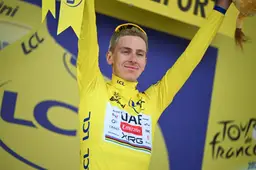
Rumours, speculation and guesswork: 2027 Tour de France route will be revealed live on October 22 in Paris
Vollering adds the Women’s European Championships road race jersey to her rainbow wardrobe
16-day Grand Tours, AI, VAR, drones and more: The UCI's new document has a potentially major impact from 2029 onwards
Latest Cycling News
Team GB dominate, China on the rise, Lavreysen the best ever? Five takeaways from the 2026 Track World Championships
Marcel Kittel, Wout van Aert, and Marianne Vos partied at a cycling festival in Ibiza: 'To avoid a major hangover'
Javier Romo leaves Movistar to become Netcompany INEOS's 8th signing of 2026
Tom Pidcock pays special tribute to retiring brother Joey, but isn't totally happy: 'We had to settle for second place'
Anna Morris makes Track World Championship history as Great Britain top the medal table in Shanghai
Popular Cycling News
20 Years on from 'DisneyLandis', the too-good-to-be-true 130km alpine raid, where is Floyd Landis now?
Marcel Kittel, Wout van Aert, and Marianne Vos partied at a cycling festival in Ibiza: 'To avoid a major hangover'
On the final race day of 2026, Tadej Pogacar reveals his goals for 2027
McNulty finally flies the rainbow flag and ends his season on a high at the Veneto Classic
Pogacar set to kick off his 2027 season Down Under according to his Australian buddy Matthews
Latest Comments
- - The bike may be quick, but the article seems a bit too ready to credit the equipment for the result. Remco’s the one producing those watts—though I’ll admit, two minutes is a pretty convincing test ride.jennifer1918-10-2026
- - I’m still learning how time trials work: if Evenepoel caught Jay Vine, does that mean Vine started earlier, and do riders set off at fixed intervals?tourdeforce918-10-2026
- - A flat Tour TT on these roads would be brilliant viewing. Wide, fast courses really let the specialists show what they can do.davidm18-10-2026
- - Fourteen wins in a season is some going. He sounded focused on his own effort rather than the riders ahead, which is exactly the mindset you want in a race against the clock.michael5418-10-2026
- - Catching Vine and putting over two minutes into him is an enormous statement. That new Specialized clearly suits Remco—keen to see how it performs over a longer Tour time trial.raceready718-10-2026
- I’m still trying to understand the history here—why was insulin being used alongside amphetamines? Was that common in cycling at the time?cyclechamp4518-10-2026
- Hard to take the article’s “recovered” line at face value when it ends by raising concerns about team entourages. Cycling has made huge changes, but scrutiny still matters.velodromevirtuoso118-10-2026
- The detail about riders deliberately pushing him off the road is shocking. Do we know whether anyone ever faced consequences for that?pedalpowe2918-10-2026
- Bassons’ story is a grim reminder of what speaking up could cost in that era. Fair play to him for holding his ground when it meant being isolated by his own team.tourdeforce918-10-2026
- I’m still learning how team contracts work: if Barguil had ended his deal before 2018, could the team have left him out of the Tour, or was his place already agreed?sprocketspiny18-10-2026
Loading