Tour de France 2026 Route Preview: Key Stages That Could Decide the Yellow Jersey
CyclingMonday, 08 June 2026 at 16:40
Follow IDL Pro Cycling on Google
Stay up to date with the best cycling news by making us a preferred source on Google.
Follow us on GoogleThe 2026 Tour de France route is meticulously designed to generate general classification (GC) pressure early and often, leaving contenders with virtually nowhere to hide. This is not a race that waits for the final week to test the peloton. Beginning with a high-stakes team time trial at the Grand Départ in Barcelona, the parcours systematically drags riders through multiple mountain ranges, a critical individual time trial, and a brutal final Alpine block. While the three-week journey offers diverse opportunities, this analysis focuses strictly on the key stages most likely to shape the ultimate yellow jersey battle, rather than providing an encyclopedic stage-by-stage breakdown.
ADVERTISEMENT
A Quick Look at the 2026 Tour de France Route
Before isolating the critical GC battlegrounds, it is vital to understand the foundational architecture of the 21 stages. Kicking off at the Grand Départ in Barcelona, the route provides a carefully balanced mix of flat sprints, hilly transitions, high mountain tests, a team time trial, and an individual time trial. The geographic progression follows a punishing sequence designed to systematically wear down the peloton. Riders will tackle the Pyrenees first, navigate the deceptive terrain of the Massif Central, push through the Vosges and Jura, and eventually culminate their campaign in the high Alps. This relentless sequence ensures every capability is measured.
Stage 1: Barcelona Team Time Trial Starts the GC Battle Immediately
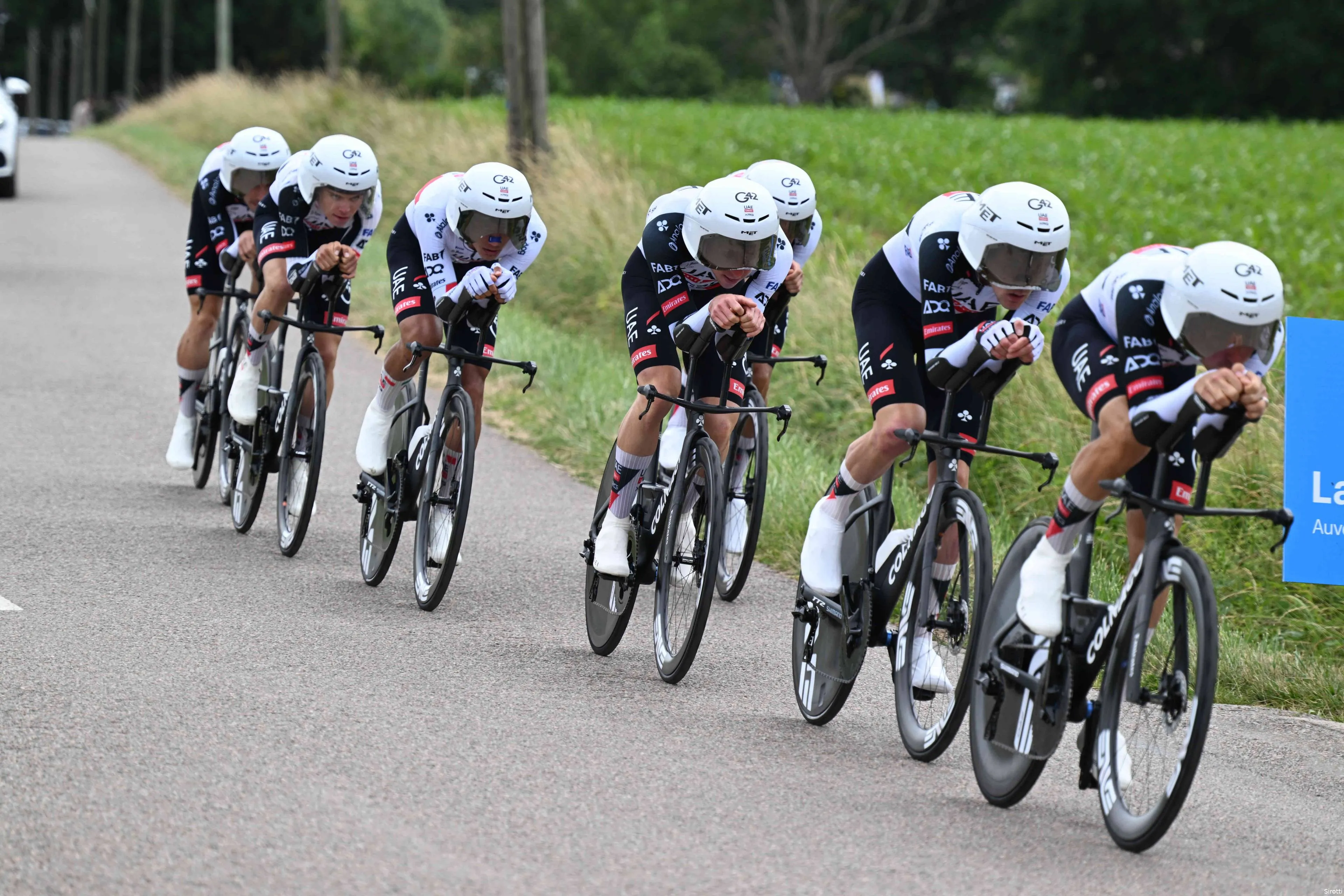
Starting the race with a collective effort fundamentally alters the early GC dynamics. The opening team time trial in Barcelona instantly forces contenders into a high-pressure scenario, reliant entirely on the technical execution and pacing discipline of their domestiques. A strong, cohesive squad can protect its leader from early time losses, creating an immediate tactical cushion. Conversely, weaker units risk unnecessarily exposing their primary GC rider, forcing an uphill chase long before they hit the mountains. Because the Tour begins with a team time trial, the yellow jersey picture may start taking shape before the first mountain stage. Before Barcelona, some fans and analysts will look at individual contenders, team depth, time-trial organization, recent form, and Tour de France betting odds to understand which riders are being viewed as serious GC threats.
Stage 6: Tourmalet and Gavarnie-Gèdre Bring the First Major Mountain Test
As the race shifts into the Pyrenees, Stage 6 arrives as the first definitive mountain checkpoint for yellow jersey contenders. The peloton will face the demanding ascents of the Col d’Aspin and the legendary Col du Tourmalet before reaching a grueling summit finish at Gavarnie-Gèdre. This specific climbing sequence serves as an unforgiving diagnostic tool. Early mountain stages rarely decide the outright Tour de France winner, but they are exceptionally effective at exposing underlying weaknesses. Stage 6 will unequivocally reveal which riders have arrived in genuine Tour-winning condition and which heavily favored teams are already struggling to control the pace. A rider possessing poor legs here cannot hide behind domestiques, and failing to follow accelerations on the steep final ramps will result in significant time losses.
Stage 10: Le Lioran and the Massif Central Add Mid-Race Fatigue
Though the Massif Central is rarely treated with the same reverence as the high Alps or Pyrenees, it represents a highly dangerous mid-race trap. Stage 10 toward Le Lioran features relentless rolling terrain and repeated, punchy climbs that continuously accumulate fatigue. GC contenders might not actively plan a major offensive move on this terrain, but the chaotic nature of the roads creates severe vulnerabilities. Opportunistic attacks, a momentary lapse into bad positioning, or isolated leaders suffering from weak team support can easily cost valuable seconds—or even minutes. Surviving this crucial junction requires constant vigilance and tactical discipline.
Stages 14 and 15: Vosges and Plateau de Solaison Could Expose Weak Teams
Back-to-back challenges through the Vosges and toward Plateau de Solaison will generate an entirely different type of racing pressure. Instead of relying on a single famous climb to shatter the peloton, Stages 14 and 15 utilize repeated climbing, technical roads, and heavy accumulated fatigue to steadily wear down domestiques. This slow attrition can leave vital team leaders completely isolated during critical moments. These stages are imperative to the yellow jersey battle because the strongest GC teams will systematically use these days to control, exhaust, and outmaneuver their rivals. A fragile squad will splinter here, leaving their leader exposed before the looming final Alpine showdown.
Stage 16: The Individual Time Trial Could Reset the GC Picture
The Stage 16 individual time trial threatens to completely reset the GC picture following two brutal weeks of racing. A time trial positioned this late in the Tour de France plays out vastly differently than a fresh, opening-week test. At this juncture, cumulative physical fatigue, recovery rates, and strict pacing discipline become the most critical performance variables. This stage provides an opportunity for stronger time-trialists to claw back meaningful time against elite climbers. However, that advantage only materializes if those highly specialized riders have successfully survived the preceding mountain stages closely enough to remain in overall contention.
Stage 18’s summit finish at Orcières-Merlette also helps set up the final Alpine reckoning, ensuring the race reaches Alpe d’Huez with fatigue already high.
Stages 19 and 20: Back-to-Back Alpe d’Huez Finishes Are the Main Yellow Jersey Showdown
The undeniable climax of the entire general classification battle revolves entirely around the events of Stages 19 and 20. Featuring consecutive Alpine summit finishes on the mythical slopes of Alpe d’Huez, this block operates as the most obvious and brutal yellow jersey battleground of the 2026 Tour de France. The sheer emotional and tactical significance of tackling the iconic 21 hairpins of Alpe d’Huez cannot be overstated. Doing it on consecutive days will demand exceptional physiological resilience and top-tier team execution.
By the time the peloton arrives at the base of this final climb, cumulative fatigue will severely limit explosive power, turning these absolute vertical tests into grueling battles of pure endurance. The penultimate stage represents the absolute final chance for major contenders to launch desperate GC attacks to overthrow the overall standings.
Crucially, this unique back-to-back structure ensures that the race is never truly finalized until the final summit. Even if the current yellow jersey possesses a clear, comfortable lead entering Stage 19, these consecutive efforts can instantly reopen the championship. A sudden tactical error, an unexpected loss of climbing support, or a failure to string together two consecutive days of optimal recovery can cause devastating time gaps.
What the Route Tells Us About the 2026 Yellow Jersey Battle
Analyzing this overarching sequence reveals the profile required to capture the overall victory. The 2026 winner will undoubtedly need significantly more than just pure climbing ability. First, they must bring a cohesive, powerful team capable of surviving the opening team time trial without conceding early deficits. Next, they require deep physical resilience to weather the distinct challenges of the Pyrenees, Massif Central, Vosges, and Jura. Furthermore, they need just enough individual time-trial strength to avoid conceding meaningful time on Stage 16. Ultimately, the victor will be the rider whose underlying recovery capacity enables them to sustainably withstand the final Alpine gauntlet.
What to Watch Before the Grand Départ
As the cycling calendar moves toward July, critical pre-race storylines require close observation to forecast the eventual winner. Pay immediate attention to finalized team selections, monitoring whether squads are structured purely for high-mountain climbing support or for broader, all-around tactical control throughout the opening week. Furthermore, tracking individual contender form, managing lingering injuries, and noting late-spring performances at essential tune-up events like the Critérium du Dauphiné or the Tour de Suisse will indicate who is truly prepared. The 2026 Tour de France route ultimately leaves GC contenders with virtually nowhere to hide. The foundational pressure begins instantly in Barcelona and aggressively builds toward the definitive Alpine finale.
IDL-productions
2026 Tour de Suisse – Men's Result | Pogačar head and shoulders above the competition

How to watch cycling on TV: Time trial day at the Tour de Suisse
Tour Auvergne-Rhône-Alpes 2026 Standings | Final results in all categories
Copenhagen Sprint 2026 | Dylan Groenewegen faces a strong Belgian sprint contingent
Tour Auvergne-Rhône-Alpes 2026 Stage 8 Preview | Poor Tuckwell faces fired-up Seixas and Del Toro
Latest Cycling News
Tour de France Route 2026 | Team announcements incoming, but here's what they will face
Decathlon CMA CGM postpones Tour de France announcement amid rider injury and illness crisis
Visma | Lease a Bike names its 2026 Tour de France squad, including surprising replacement for Van Aert

Chloé Dygert on RED-S diagnosis: 'I haven't had my period in 8 months, gained 9 kilos'
Uno-X Mobility announce a versatile and ambitious Tour de France squad
Popular Cycling News
2026 Tour de Suisse – Men's Result | Pogačar head and shoulders above the competition
Chloé Dygert on RED-S diagnosis: 'I haven't had my period in 8 months, gained 9 kilos'
Tour de France Route 2026 | Team announcements incoming, but here's what they will face

Insult to injury: Van der Poel fined by UCI after missing out on stage win
Tour de Suisse Women 2026 Result | Home hero Marlen Reusser makes it three
Latest Comments
- - Four words: Don’t rush the roster.patriciaw23-06-2026
- - Vamos Seixas! Recupera rápido y llévanos etapas en la montaña. Equipo a tu lado.lindae23-06-2026
- - Quick one: is Les Arcs altitude enough to help if they’re only doing indoor sessions? Feels odd to be at altitude but on the turbo.michael5423-06-2026
- - Visma dropped their eight early and look settled; Decathlon CMA CGM look wobbly. Timing matters—camp chaos before Copenhagen/Florence Grand Départ vibes never end well. Hope I’m wrong.gearguru3323-06-2026
- - Kooij at the Tour would be fire if he’s in form, but if the team’s half-recovered, better to wait. Peaks and lead-out cohesion > names on a startlist. Fingers crossed.velodromevirtuoso123-06-2026
- - This piece is a bit thin on detail tbh. L’Équipe says “positive” tests for Seixas, but what does that mean exactly? Concussion protocol? Fractures ruled out? Would’ve liked more specifics from the author.bikebuffj23-06-2026
- - Gutted about Daan Hoole missing the Dutch TT, he’s usually solid in that discipline. If he’s out of the Tour too, that really changes their lead-out and TTT dynamics. Massive knock-on for Kooij’s chances.raceready723-06-2026
- - Any idea what illness is going through the team? Is it like a flu or COVID? Also, how does indoor training 3–4 hours a day compare to proper road work in terms of prep for the Tour?davidm23-06-2026
- - Fair call to postpone if there’s a bug going round the camp. No point rushing the roster. If Seixas’ scans are clean after that Auvergne-Rhône-Alpes crash, that’s massive for Decathlon CMA CGM’s GC hopes.julien23-06-2026
- - Sorry, slightly confused: are time trials still max 20 points for the winner? Does that mean almost no impact on the green unless someone totally dominates?cadencekingm23-06-2026
Loading